

As a supplier of mini bottles glass, I understand the importance of ensuring these delicate containers remain leak - proof during travel. Mini glass bottles are widely used in various industries, such as cosmetics, pharmaceuticals, and essential oils. Their small size makes them convenient for travel, but it also presents unique challenges when it comes to preventing leaks. In this blog, I will share some effective strategies to guarantee the leak - proof nature of mini bottles glass during transit.
Choose the Right Type of Mini Glass Bottles
The first step in ensuring leak - proof travel is to select the appropriate type of mini glass bottles. Different applications may require different bottle designs. For example, Pharmacy Medicine Bottles often need to meet strict safety and sealing standards. These bottles usually come with well - designed caps and closures that provide a tight seal.
Another option is Glass Medical Vials, which are commonly used for storing liquid medications or samples. They are typically made with high - quality glass and have precise dimensions to ensure a proper fit with their closures.
If you are dealing with products that are sensitive to light, Blue Glass Bottle can be a great choice. The blue tint helps to block out harmful UV rays, and they can also be equipped with leak - proof closures.
Select High - Quality Closures
The closure of a mini glass bottle is crucial in preventing leaks. There are several types of closures available, each with its own advantages.
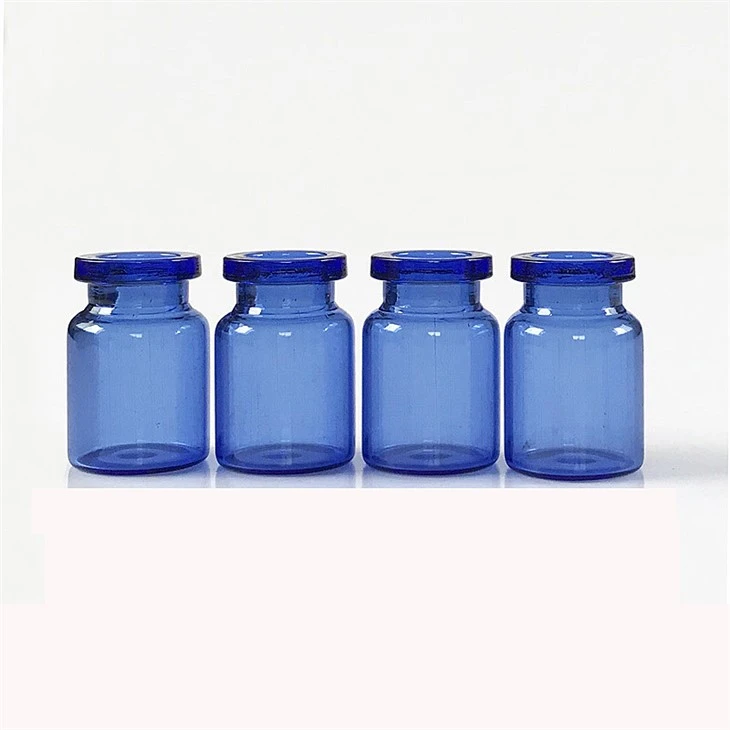

Screw Caps: Screw caps are one of the most common types of closures. They provide a simple and effective way to seal the bottle. When choosing screw caps, make sure they are made of high - quality materials such as plastic or metal. The threads on the cap and the bottle should be well - matched to ensure a tight fit. Additionally, some screw caps come with a built - in liner, which can further enhance the seal.
Dropper Caps: Dropper caps are often used for products like essential oils or liquid medications. They allow for precise dispensing while also providing a seal. Look for dropper caps with a rubber bulb that fits snugly over the glass pipette. The pipette should be inserted firmly into the bottle to prevent any leakage.
Flip - Top Caps: Flip - top caps are convenient for quick access to the contents of the bottle. To ensure they are leak - proof, choose caps with a tight - fitting hinge and a good seal around the opening. Some flip - top caps also have a locking mechanism to prevent accidental opening during travel.
Proper Filling and Sealing Techniques
Even with the right bottles and closures, improper filling and sealing can lead to leaks. Here are some tips to follow:
Fill the Bottles Correctly: Do not overfill the mini glass bottles. Leave some headspace at the top to allow for expansion of the liquid during travel. This is especially important if the product is sensitive to temperature changes. For example, if you are filling the bottles with essential oils, which can expand when heated, leaving about 10 - 15% headspace is recommended.
Clean the Bottle Rims: Before sealing the bottles, make sure the rims are clean and free of any debris or liquid residue. Even a small amount of liquid on the rim can prevent the closure from forming a proper seal. Use a clean cloth or tissue to wipe the rims thoroughly.
Seal the Bottles Tightly: When applying the closures, make sure they are tightened properly. For screw caps, use a consistent amount of force to avoid under - or over - tightening. Under - tightening can result in leaks, while over - tightening can damage the cap or the bottle. For dropper caps and flip - top caps, ensure they are snapped or locked into place securely.
Use Protective Packaging
In addition to proper bottle selection and sealing, protective packaging can significantly reduce the risk of leaks during travel.
Bubble Wrap or Foam Inserts: Wrap each mini glass bottle individually with bubble wrap or place them in foam inserts. This provides a cushioning effect and helps to absorb any shocks or impacts during transit. The bubble wrap or foam inserts can also prevent the bottles from rubbing against each other, which could potentially damage the closures.
Sealable Plastic Bags: Place the wrapped bottles in sealable plastic bags. This adds an extra layer of protection in case of any minor leaks. If a bottle does leak, the plastic bag will contain the liquid and prevent it from spreading to other items in the package.
Sturdy Outer Packaging: Use a sturdy box or container to hold the plastic - bagged bottles. The outer packaging should be able to withstand the rigors of travel. Make sure to fill any empty spaces in the box with packing materials such as packing peanuts or shredded paper to prevent the bottles from moving around.
Consider Temperature and Pressure Changes
Temperature and pressure changes during travel can have a significant impact on the integrity of the bottle seals.
Temperature: High temperatures can cause the liquid inside the bottle to expand, increasing the pressure and potentially leading to leaks. If you are shipping the bottles during hot weather, consider using insulated packaging or shipping them in a climate - controlled environment. On the other hand, low temperatures can make the closures more brittle and less likely to form a tight seal.
Pressure: Changes in air pressure, especially during air travel, can also affect the bottle seals. To counteract this, you can use pressure - resistant closures or leave more headspace in the bottles to allow for pressure equalization.
Testing and Quality Control
Before shipping the mini glass bottles, it is essential to conduct thorough testing and quality control.
Leak Testing: There are several methods for leak testing mini glass bottles. One common method is the immersion test, where the sealed bottles are submerged in water and checked for any air bubbles. Another method is the pressure test, where the bottles are subjected to a certain amount of pressure to see if they leak.
Visual Inspection: In addition to leak testing, conduct a visual inspection of the bottles and closures. Check for any cracks, chips, or defects in the glass or the closures. Make sure the seals are intact and the closures are properly installed.
By following these strategies, you can significantly increase the chances of your mini glass bottles remaining leak - proof during travel. As a supplier, I am committed to providing high - quality mini glass bottles and helping my customers ensure the safe transit of their products. If you are interested in purchasing mini glass bottles for your business, I encourage you to contact me for more information and to discuss your specific requirements. We can work together to find the best solutions for your leak - proof packaging needs.
References
- Packaging World. (2023). Best Practices for Packaging Fragile Items.
- Cosmetics & Toiletries Magazine. (2023). Ensuring Product Integrity in Travel - Size Packaging.
- Pharmaceutical Technology. (2023). Leak - Proof Packaging for Medical Products.