

Hey there! As a supplier of 1 ml vials, I often get asked if these little guys are suitable for pharmaceutical research. Well, let's dive right in and break it down.
First off, what makes 1 ml vials so special? Well, their small size is a big advantage. In pharmaceutical research, you're often dealing with precious and sometimes scarce samples. With 1 ml vials, you can store and handle these samples efficiently without wasting any space. It's like having a tiny storage unit that's just the right fit for your valuable substances.
When it comes to accuracy, 1 ml vials shine. Pharmaceutical research demands precision, and these vials are designed to hold exactly 1 ml of liquid. This means you can measure and dispense your samples with a high degree of accuracy, which is crucial for getting reliable results. Whether you're conducting experiments on new drugs or analyzing biological samples, having accurate measurements is key.
Another great thing about 1 ml vials is their versatility. They can be used for a wide range of applications in pharmaceutical research. For example, they're perfect for storing small amounts of liquid drugs during the development process. You can also use them to transport samples between different labs or departments. And if you're working on a high - throughput screening project, 1 ml vials can be easily integrated into automated systems, making the whole process more efficient.
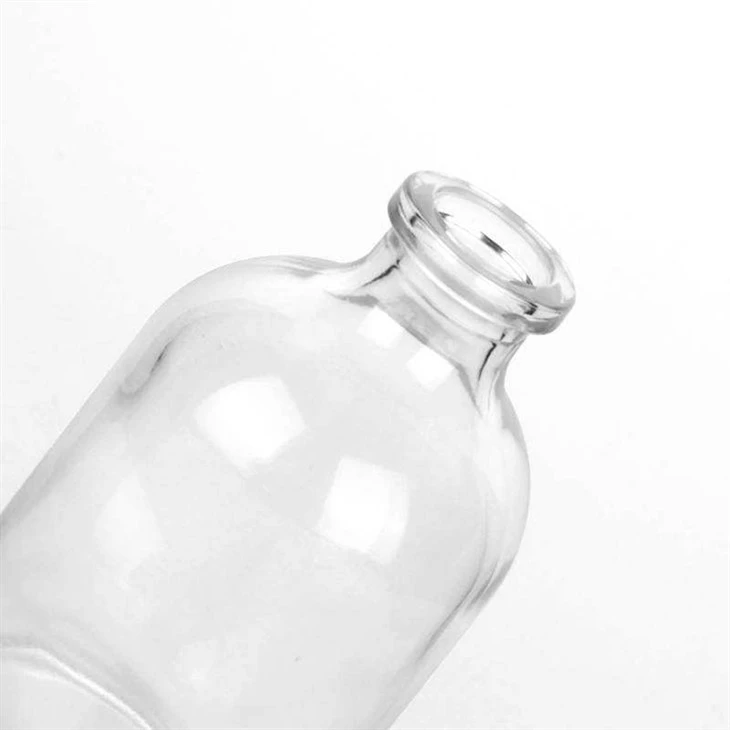
Now, let's talk about the materials. Most 1 ml vials are made of high - quality glass. Glass is an excellent choice for pharmaceutical research because it's inert. This means it won't react with the substances inside the vial, ensuring the integrity of your samples. It also provides good protection against light, which can be important for light - sensitive drugs or samples. Some vials come with an Glass Bottle with Aluminum Cap, which adds an extra layer of protection and helps to keep the contents fresh.
But it's not all sunshine and rainbows. There are a few potential drawbacks to using 1 ml vials in pharmaceutical research. One of the main issues is the limited volume. If you're working with large - scale experiments or need to store a significant amount of a sample, 1 ml might not be enough. In such cases, you might need to consider using larger vials like the 20ml Medicine Bottle.
Another thing to keep in mind is the cost. High - quality 1 ml vials can be relatively expensive, especially if you need a large quantity. However, when you consider the benefits they offer in terms of accuracy and sample protection, the cost might be worth it.
So, are 1 ml vials suitable for pharmaceutical research? The answer is a resounding yes, in most cases. They're a great option for many types of research, especially when you're dealing with small samples and need high precision. But as with any tool, it's important to consider your specific needs and requirements before making a decision.
If you're in the market for 1 ml vials or other types of Small Glass Bottle for your pharmaceutical research, I'd love to chat with you. Whether you have questions about our products, need advice on which vials are best for your project, or want to discuss pricing and bulk orders, don't hesitate to reach out. We're here to help you find the perfect solution for your research needs.
References

- Pharmaceutical Packaging Handbook, Second Edition. Edited by Wilmer A. Miller.
- Handbook of Pharmaceutical Excipients, Eighth Edition. Edited by Raymond C. Rowe, Paul J. Sheskey, and Marian E. Quinn.