

Can I Sterilize a Medicine Bottle in a Microwave?
As a dedicated supplier of medicine bottles, I often encounter various questions from customers regarding the proper use and maintenance of our products. One question that frequently comes up is whether it's possible to sterilize a medicine bottle in a microwave. In this blog post, I'll delve into this topic, exploring the science behind it, the potential risks, and best practices for sterilizing medicine bottles.
First, let's understand why sterilization is crucial when it comes to medicine bottles. Medicine bottles are used to store various types of medications, ranging from liquid syrups to solid pills. These medications are often sensitive to contaminants such as bacteria, fungi, and other microorganisms. If a medicine bottle is not properly sterilized, these contaminants can grow inside the bottle and contaminate the medication, potentially leading to serious health risks for the patients using the medication.
Now, let's turn our attention to the microwave. Microwaves work by emitting electromagnetic waves that cause water molecules in the food or object being heated to vibrate rapidly, generating heat. This process is known as dielectric heating. When it comes to sterilizing medicine bottles, the idea behind using a microwave is to use the heat generated to kill off any microorganisms present on the surface of the bottle.
However, before you rush to pop your medicine bottle into the microwave, there are several factors you need to consider.
Material Compatibility
Not all medicine bottles are suitable for microwave use. Most of the medicine bottles we supply at our company are made of glass or plastic. Glass is generally considered safe for use in the microwave as it is non - reactive and can withstand high temperatures. On the other hand, plastic bottles need to be carefully evaluated. Some plastics can melt, warp, or release harmful chemicals when exposed to high temperatures in the microwave.
For example, if you are using a 1 Ml Vials made of glass, it is likely to be safe for microwave sterilization. But if you have a plastic vial, you should check the manufacturer's instructions first. Some plastics, like polypropylene, can tolerate moderate microwave heat, while others, such as PVC, are definitely not suitable.
Moisture Requirement
Microwaves heat through the interaction with water molecules. For effective sterilization in a microwave, there needs to be sufficient moisture present. If the medicine bottle is completely dry, the microwave may not be able to generate enough heat to kill the microorganisms. One common method is to add a small amount of water to the bottle. The water will absorb the microwave energy, heat up, and in turn, transfer the heat to the bottle's surface.
Risk of Explosion
Another important consideration is the risk of explosion. If there are any air pockets or trapped gases inside the bottle, the rapid heating in the microwave can cause the pressure to build up, leading to an explosion. This is especially true for bottles with tight - fitting caps. To prevent this, make sure the bottle is not sealed tightly and that there are no air bubbles trapped inside.
Sterilization Efficacy
While a microwave can generate heat, it may not provide consistent sterilization. The heat distribution in a microwave is often uneven, which means that some parts of the bottle may not reach the temperature required to kill all the microorganisms. For example, the corners or edges of the bottle may not be heated as effectively as the center.
So, what are the best practices for sterilizing medicine bottles?
If you decide to use a microwave for sterilization, here are the steps:
- Choose a glass bottle that is microwave - safe. Avoid using plastic bottles unless they are specifically labeled as microwave - safe.
- Add a small amount of water to the bottle, about a teaspoon or so.
- Place the bottle in the microwave, making sure it is stable and not likely to tip over.
- Set the microwave to a low - power setting and start with a short time, say 30 seconds. Check the bottle after each interval to see if it has heated up enough.
- Once the water has boiled and the bottle has been heated, carefully remove it from the microwave using oven mitts. Let it cool down completely before handling it further.
However, for more reliable sterilization, especially for medical applications, other methods are often recommended.
Autoclaving is a widely used method in medical settings. It uses steam under pressure to achieve high temperatures (usually around 121 - 134°C) that can effectively kill all types of microorganisms, including spores.
Chemical sterilization using agents such as hydrogen peroxide or alcohol can also be effective. These agents can be used to wipe down the surface of the bottle, killing the microorganisms on contact.
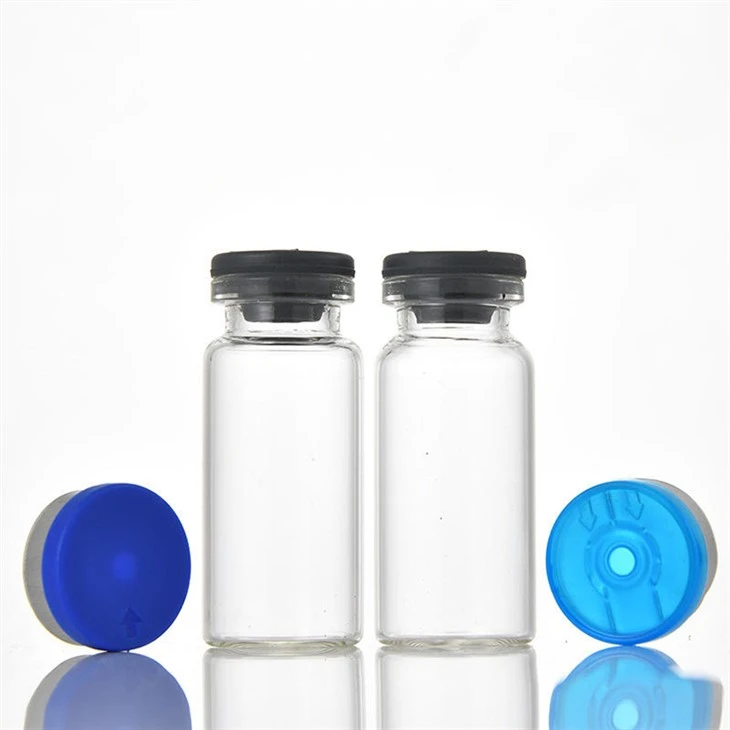
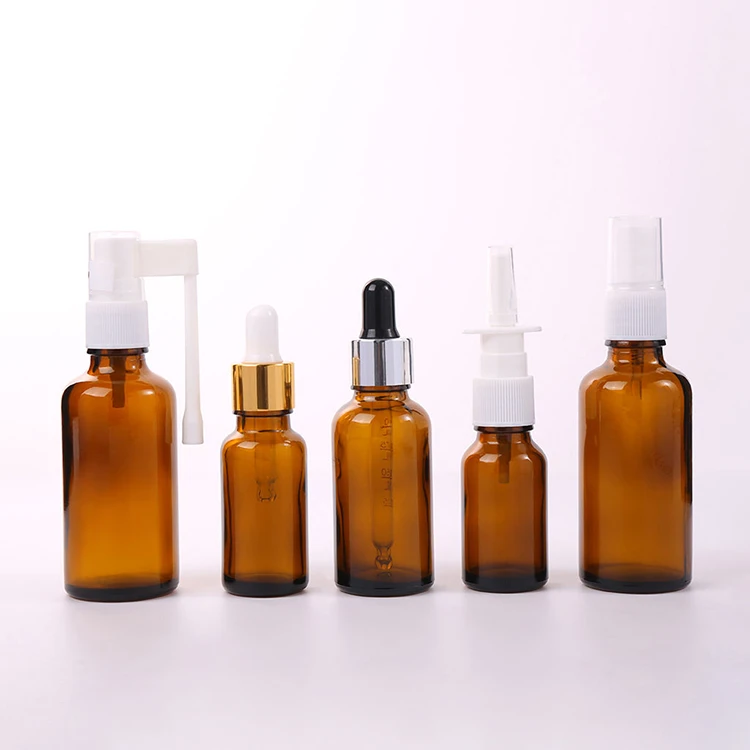
As a medicine bottle supplier, we offer a wide range of products, including 20ml Amber Glass Bottle Medicine and Medical Bottles with Rubber Stopper. Our bottles are designed to meet the highest quality standards, but it's important for our customers to understand the proper ways to handle and sterilize them.
If you are in the market for high - quality medicine bottles, we are here to assist you. Whether you need small vials for laboratory use or larger bottles for pharmaceutical companies, we have a variety of options to suit your needs. We welcome you to contact us for more information and to discuss your specific requirements. Our team of experts is ready to provide you with the best solutions for your medicine bottle needs.
In conclusion, while it is possible to sterilize a medicine bottle in a microwave under certain conditions, it is not always the most reliable method. There are many factors to consider, and for critical applications, other sterilization methods may be more appropriate. By understanding the science behind microwave sterilization and following the best practices, you can make an informed decision about how to keep your medicine bottles clean and safe.
If you are interested in purchasing our medicine bottles, whether it's the 1 Ml Vials, 20ml Amber Glass Bottle Medicine, or Medical Bottles with Rubber Stopper, please feel free to reach out to us. We are eager to engage in procurement discussions and find the best solutions for your specific requirements.
References
- Block, S. S. (2001). Disinfection, Sterilization, and Preservation. Lippincott Williams & Wilkins.
- Favero, M. S., & Bond, W. W. (1991). Evaluation of disinfectants and sterilants. In Hospital Infection (pp. 29 - 54). Lippincott Williams & Wilkins.