

Can glass vials be used for cosmetics? This is a question that has gained significant attention in the cosmetics industry in recent years. As a glass vial supplier, I have witnessed firsthand the growing interest in glass containers for cosmetic products. In this blog post, I will explore the viability of using glass vials for cosmetics, considering various factors such as material properties, advantages, limitations, and market trends.
Material Properties of Glass Vials
Glass is a versatile and widely used material in the packaging industry, known for its unique properties that make it suitable for a variety of applications, including cosmetics. Here are some key material properties of glass vials:
- Chemical Resistance: Glass is highly resistant to chemical reactions, making it an ideal choice for storing cosmetics that may contain various chemicals, such as acids, bases, and solvents. This property ensures that the integrity of the cosmetic product is maintained over time, preventing any potential contamination or degradation.
- Impermeability: Glass is impermeable to gases and moisture, which helps to preserve the freshness and quality of the cosmetic product. Unlike plastic containers, glass vials do not allow air or moisture to penetrate, reducing the risk of oxidation, microbial growth, and product spoilage.
- Transparency: Glass is transparent, allowing consumers to see the cosmetic product inside the vial. This transparency not only enhances the visual appeal of the product but also provides valuable information about its color, texture, and consistency.
- Inertness: Glass is an inert material, meaning it does not react with the cosmetic product or release any harmful substances. This makes glass vials a safe and reliable option for storing cosmetics, especially those intended for use on the skin or in the eyes.
- Durability: Glass is a durable material that can withstand high temperatures, pressure, and mechanical stress. This makes glass vials suitable for a variety of cosmetic products, including creams, lotions, serums, and perfumes, which may require different storage conditions.
Advantages of Using Glass Vials for Cosmetics
There are several advantages to using glass vials for cosmetics, both from a consumer and a manufacturer perspective. Here are some key advantages:
- Preservation of Product Quality: As mentioned earlier, glass vials provide excellent protection against air, moisture, and light, which helps to preserve the quality and efficacy of the cosmetic product. This ensures that the product remains fresh and effective for a longer period of time, reducing the risk of product waste and customer dissatisfaction.
- Enhanced Product Safety: Glass is a safe and inert material that does not react with the cosmetic product or release any harmful substances. This makes glass vials a preferred choice for storing cosmetics, especially those intended for use on sensitive skin or in the eyes. Additionally, glass vials can be easily sterilized, reducing the risk of microbial contamination.
- Aesthetic Appeal: Glass vials have a luxurious and elegant appearance that can enhance the overall aesthetic appeal of the cosmetic product. The transparency of glass allows consumers to see the product inside the vial, creating a sense of trust and confidence. Additionally, glass vials can be customized with various shapes, sizes, and finishes to meet the specific needs and preferences of the brand.
- Sustainability: Glass is a sustainable material that can be recycled indefinitely without losing its quality or properties. This makes glass vials an environmentally friendly option for storing cosmetics, reducing the carbon footprint of the brand and appealing to eco-conscious consumers.
- Versatility: Glass vials can be used for a wide range of cosmetic products, including creams, lotions, serums, perfumes, and essential oils. They can also be used for different packaging formats, such as single-dose vials, multi-dose vials, and dropper vials, providing flexibility and convenience for both the manufacturer and the consumer.
Limitations of Using Glass Vials for Cosmetics
While glass vials offer many advantages for cosmetics, there are also some limitations that need to be considered. Here are some key limitations:
- Fragility: Glass is a fragile material that can break easily if dropped or mishandled. This can pose a safety risk to consumers and increase the cost of packaging and shipping. To mitigate this risk, manufacturers can use protective packaging materials, such as foam inserts or bubble wrap, and provide clear instructions for handling and storage.
- Weight: Glass is a heavier material than plastic, which can increase the cost of shipping and handling. This can be a significant factor for brands that are looking to reduce their carbon footprint and transportation costs. To address this issue, manufacturers can use lightweight glass vials or explore alternative packaging materials, such as plastic or aluminum.
- Cost: Glass vials are generally more expensive than plastic vials, which can increase the cost of production and packaging. This can be a significant factor for brands that are operating on a tight budget or targeting price-sensitive consumers. To reduce the cost of glass vials, manufacturers can negotiate bulk discounts with suppliers, optimize the design and size of the vials, or explore alternative packaging materials.
- Compatibility: Not all cosmetic products are compatible with glass vials. Some products, such as those containing high levels of acids or alkalis, may react with the glass and cause it to corrode or leach. To ensure compatibility, manufacturers should conduct thorough testing and validation of the cosmetic product and the glass vial before mass production.
- Design Limitations: Glass vials have some design limitations compared to plastic vials. For example, glass vials are more difficult to mold into complex shapes and sizes, which can limit the creativity and innovation of the packaging design. To overcome this limitation, manufacturers can work with experienced glass suppliers and designers to develop unique and customized glass vials that meet the specific needs and preferences of the brand.
Market Trends and Consumer Preferences
The market for glass vials in the cosmetics industry is growing steadily, driven by increasing consumer demand for high-quality, sustainable, and aesthetically appealing packaging. According to a report by Grand View Research, the global cosmetic packaging market size was valued at $41.9 billion in 2020 and is expected to grow at a CAGR of 4.3% from 2021 to 2028. The report also highlights the growing popularity of glass packaging in the cosmetics industry, particularly for premium and luxury products.
Consumers are becoming more conscious about the environmental impact of their purchases and are increasingly demanding sustainable packaging options. Glass vials are seen as a more sustainable alternative to plastic vials, as they can be recycled indefinitely without losing their quality or properties. Additionally, consumers are willing to pay a premium for high-quality, aesthetically appealing packaging that enhances the overall value and experience of the cosmetic product.
In response to these market trends and consumer preferences, many cosmetic brands are switching to glass vials for their packaging. For example, L'Oreal, Estée Lauder, and Chanel are some of the leading cosmetic brands that have recently launched products in glass vials. These brands are leveraging the unique properties and advantages of glass vials to differentiate their products in the market and appeal to discerning consumers.
Conclusion
In conclusion, glass vials can be used for cosmetics, offering several advantages such as preservation of product quality, enhanced product safety, aesthetic appeal, sustainability, and versatility. However, there are also some limitations that need to be considered, such as fragility, weight, cost, compatibility, and design limitations. To make an informed decision about whether to use glass vials for cosmetics, manufacturers should carefully evaluate the specific needs and requirements of their product, as well as the preferences and expectations of their target consumers.
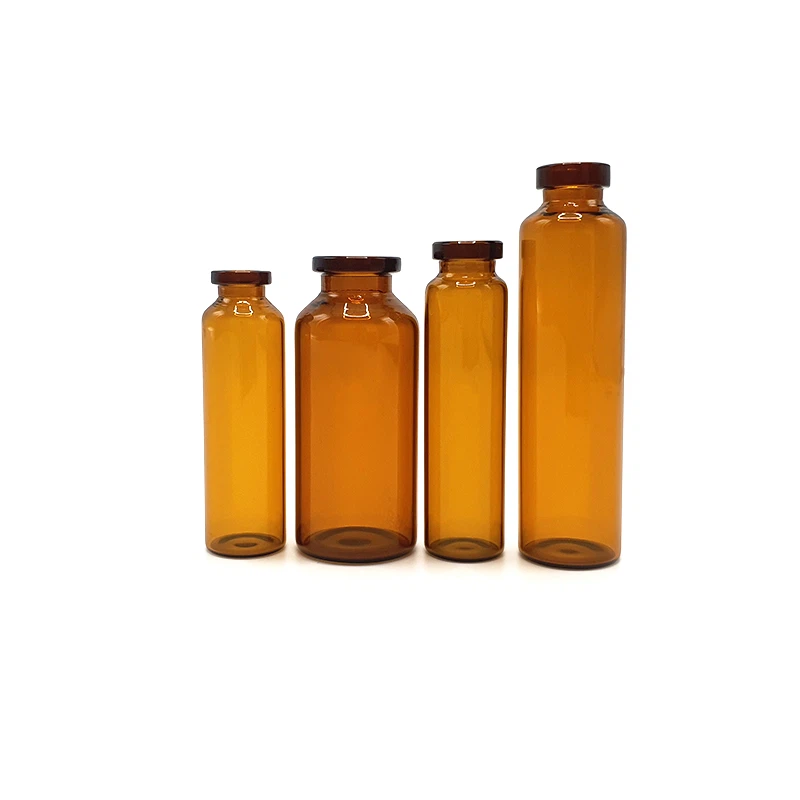
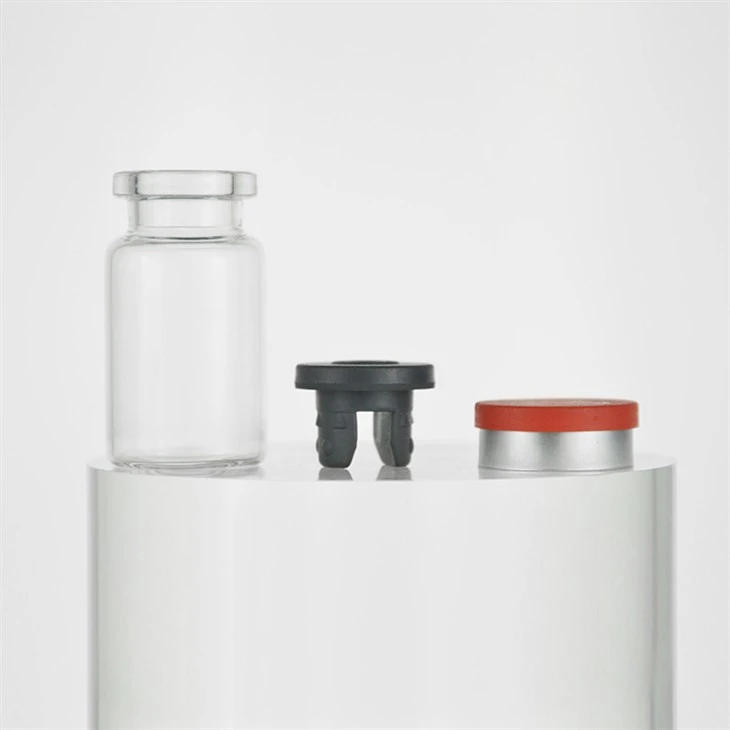
As a glass vial supplier, I am committed to providing high-quality, sustainable, and innovative glass packaging solutions for the cosmetics industry. Our Glass Vial products are designed to meet the specific needs and requirements of our customers, offering excellent protection, aesthetic appeal, and functionality. We also offer a range of customization options, such as shape, size, color, and finish, to help our customers create unique and differentiated packaging for their cosmetic products.
If you are interested in learning more about our glass vial products or would like to discuss your packaging needs, please do not hesitate to contact us. We would be happy to provide you with more information and answer any questions you may have. Let's work together to create the perfect packaging solution for your cosmetic products!
References
- Grand View Research. (2021). Cosmetic Packaging Market Size, Share & Trends Analysis Report By Material (Plastic, Glass, Metal), By Product Type (Lipstick, Foundation, Mascara), By Region, And Segment Forecasts, 2021 - 2028.
- Packaging World. (2021). Glass Packaging in the Cosmetics Industry: Trends and Innovations.
- Cosmetics Design. (2021). The Future of Cosmetic Packaging: Sustainability and Innovation.