

Hey there! As a supplier of gray rubber stoppers, I often get asked if these nifty little things can be used in water treatment plants. Well, let's dive right into it and find out!
First off, let's talk a bit about what gray rubber stoppers are. They're made from rubber, of course, and the gray color usually comes from the specific type of rubber compound used and any additives that might be in there. Rubber stoppers are super versatile and are used in all sorts of industries, from pharmaceuticals to laboratories. But can they cut it in water treatment plants?
Compatibility with Water and Chemicals
One of the most important things in a water treatment plant is the compatibility of materials with the water and the chemicals used in the treatment process. Water treatment involves a whole bunch of chemicals like chlorine, flocculants, and pH adjusters. These chemicals can be pretty harsh on materials, so the rubber stopper needs to be able to withstand them without breaking down or leaching harmful substances into the water.
Most of the gray rubber stoppers we supply are made from high - quality rubber compounds that have good chemical resistance. For example, Chlorobutyl Rubber Stopper is a type of rubber that's known for its excellent resistance to chemicals. It can handle exposure to chlorine and other disinfectants commonly used in water treatment without getting damaged easily. This means it won't start falling apart or releasing unwanted chemicals into the water, which is a huge plus for water treatment applications.
Sealing Performance
Another crucial factor in water treatment plants is the sealing performance of the rubber stoppers. Water treatment systems often involve pipes, tanks, and equipment that need to be properly sealed to prevent leaks. A good rubber stopper should create a tight seal to keep the water and chemicals where they're supposed to be.
Our gray rubber stoppers are designed with precision to ensure a proper fit. They have the right amount of flexibility and resilience to conform to the shape of the opening they're inserted into. Whether it's a small valve or a large tank opening, they can create an effective seal. For instance, the Antibiotic Glass Vial Butyl Rubber Stopper has a similar design principle. Although it's mainly used in the pharmaceutical industry, the concept of creating a tight seal applies here too. In a water treatment plant, a leak can lead to loss of water, chemicals, and can even pose safety risks. So, a reliable seal is non - negotiable.
Durability
Water treatment plants operate 24/7, and the equipment and components used need to be durable. Gray rubber stoppers are up to the task. They can withstand constant exposure to water, pressure changes, and mechanical stress. The rubber compounds are formulated to resist abrasion, which is important as the stoppers might be inserted and removed multiple times during maintenance or equipment operation.
Take the Rubber Stopper 32mm as an example. It's built to last. Even with regular use in a water treatment environment, it can maintain its shape and performance over a long period. This durability means less frequent replacement, which saves time and money for the water treatment plant operators.
Temperature Resistance
Water treatment processes can involve different temperatures. Sometimes, the water might be heated during certain treatment steps, and other times, it could be at room temperature. Gray rubber stoppers need to be able to handle these temperature variations without losing their properties.

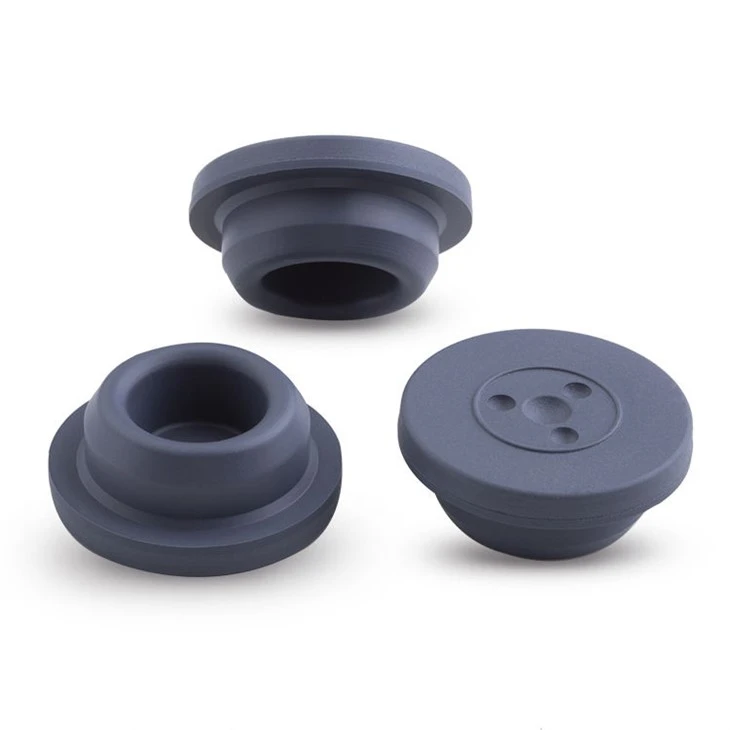
Our rubber stoppers are engineered to have a wide temperature range tolerance. They can remain flexible and functional in both cold and warm water conditions. This ensures that they can perform effectively throughout the different stages of the water treatment process, no matter what the temperature is.
Cost - Effectiveness
In any industry, cost is always a consideration. Gray rubber stoppers offer a cost - effective solution for water treatment plants. Compared to some other sealing materials, they're relatively inexpensive. And when you factor in their durability and performance, they provide great value for money.
Since they don't need to be replaced frequently, the overall cost of using them in a water treatment plant is quite low. This makes them an attractive option for plant operators who are looking to keep their operating costs down while still maintaining high - quality treatment processes.
Regulatory Compliance
Water treatment is a highly regulated industry. The materials used in water treatment plants need to comply with various health and safety regulations. Our gray rubber stoppers are manufactured in accordance with these regulations. We ensure that they don't contain any harmful substances that could contaminate the water.
This compliance gives water treatment plant operators peace of mind, knowing that they're using a product that meets all the necessary standards. It also helps them avoid any legal issues that could arise from using non - compliant materials.
Conclusion
So, can gray rubber stoppers be used in water treatment plants? The answer is a resounding yes! With their chemical resistance, excellent sealing performance, durability, temperature resistance, cost - effectiveness, and regulatory compliance, they're a great choice for water treatment applications.
If you're in charge of a water treatment plant or involved in the procurement process, I'd love to talk to you about how our gray rubber stoppers can meet your needs. Whether you need a small quantity for a specific project or a large - scale supply for continuous operation, we're here to help. Just reach out, and we can start a conversation about your requirements and how we can provide the best solutions for you.
References
- ASTM International Standards on Rubber Materials for Water - Related Applications
- Industry reports on water treatment materials and their performance