

Hey there! I'm a supplier of vials, and today I want to have a chat about something that often comes up in my line of work: Are plastic vials as good as glass vials? It's a question that many of my customers ask, and it's not an easy one to answer. So, let's dive right in and explore the pros and cons of each.
The Case for Plastic Vials
First off, let's talk about plastic vials. They've got a lot going for them, and that's why they're so popular in many industries.

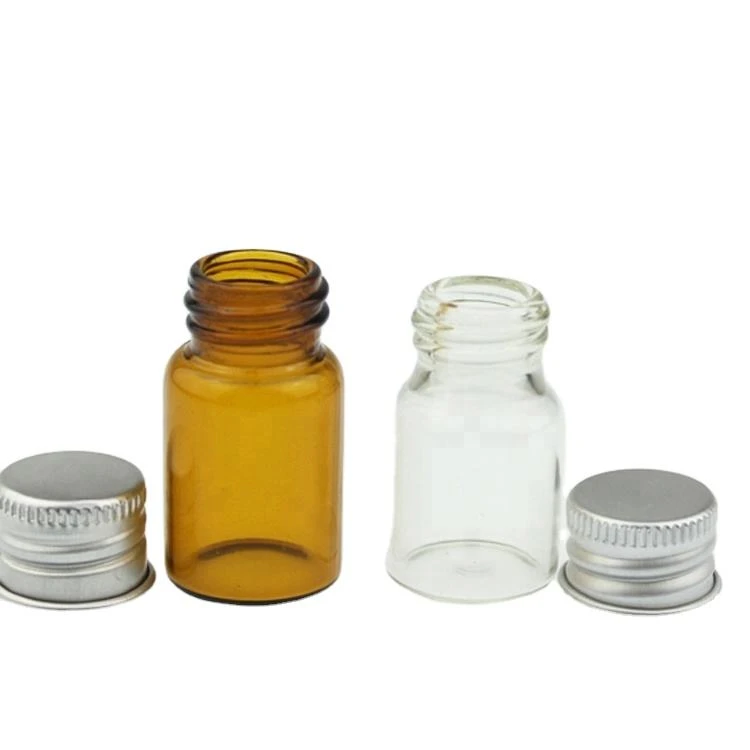
Cost - Effective
One of the biggest advantages of plastic vials is their cost. Plastic is generally cheaper to produce than glass, which means that plastic vials are often more budget - friendly. If you're running a large - scale operation or a startup on a tight budget, plastic vials can be a great option. You can get a large quantity of plastic vials without breaking the bank, allowing you to allocate your funds to other important aspects of your business.
Lightweight
Plastic vials are also much lighter than glass vials. This is a huge plus when it comes to shipping. Lighter vials mean lower shipping costs, as carriers often charge based on weight. If you're shipping your products across long distances or in large quantities, the savings in shipping fees can really add up over time. Plus, handling lightweight vials is easier for your staff, reducing the risk of injuries from lifting heavy glass containers.
Durability
Plastic is more resistant to breakage than glass. Glass vials can shatter if dropped or bumped, which can be a safety hazard and also lead to product loss. Plastic vials, on the other hand, are more flexible and can withstand a certain amount of impact without breaking. This makes them a great choice for applications where the vials might be subject to rough handling, such as in field research or during transportation.
Chemical Resistance
Many types of plastic are resistant to a wide range of chemicals. This means that plastic vials can be used to store various substances without the risk of the vial being corroded or damaged. However, it's important to note that not all plastics are created equal, and you need to choose the right type of plastic for your specific chemical storage needs.
The Case for Glass Vials
Now, let's turn our attention to glass vials. They've been around for a long time, and for good reason.
Purity
Glass is an inert material, which means it doesn't react with most substances. This makes glass vials ideal for storing high - purity chemicals, pharmaceuticals, and essential oils. When you use glass vials, you can be confident that your product won't be contaminated by the container. This is especially important in industries where product purity is critical, such as the pharmaceutical and biotechnology sectors.
Transparency
Glass vials offer excellent transparency. You can easily see the contents of the vial, which is useful for quality control and inspection purposes. You can check for any signs of contamination, sediment, or changes in the product's appearance. In contrast, some plastics may become cloudy over time or may not offer the same level of clarity as glass.
Heat Resistance
Glass can withstand high temperatures better than plastic. If you need to sterilize your vials or store products at elevated temperatures, glass is the way to go. You can use glass vials in autoclaves or other high - heat sterilization processes without worrying about the vial melting or deforming.
Aesthetics
Let's face it, glass vials just look more premium. They have a certain elegance and sophistication that can enhance the perceived value of your product. If you're in the beauty or luxury goods industry, glass vials can give your products a high - end look that can attract more customers. Check out these Clear Glass Bottle options for a touch of class.
Specific Applications
The choice between plastic and glass vials also depends on the specific application.
Laboratory Use
In laboratories, both types of vials are commonly used. For general - purpose storage of non - reactive substances, plastic vials are often sufficient. They're cost - effective and easy to handle. However, for storing samples that require high purity or for use in analytical instruments, glass vials are usually preferred. The inert nature of glass ensures accurate results and prevents any interference with the analysis. 2ml Glass Bottle are a popular choice for storing small amounts of precious samples in labs.
Cosmetics and Perfumes
In the cosmetics and perfume industry, glass vials are the norm. The high - end look of glass, combined with its ability to preserve the integrity of the product, makes it the perfect choice. Plastic vials may not be suitable for storing perfumes, as some plastics can absorb or react with the fragrance compounds, altering the scent. But for less expensive cosmetics or trial sizes, plastic vials can be a more economical option.
Food and Beverage
For food and beverage products, both glass and plastic have their place. Glass is often used for high - end products, as it doesn't impart any taste or odor to the contents. It also provides a good barrier against oxygen and moisture, which helps to preserve the product's freshness. Plastic vials, on the other hand, are commonly used for single - serve or on - the - go products. They're lightweight and convenient for consumers. Small Glass Bottle are great for artisanal food products or specialty beverages.
Making the Decision
So, are plastic vials as good as glass vials? Well, it really depends on your specific needs. If cost, durability, and lightweight are your top priorities, plastic vials might be the better choice. But if purity, transparency, heat resistance, and aesthetics are important, then glass vials are the way to go.
As a vial supplier, I've helped many customers make this decision. I can offer you a wide range of options, whether you're looking for plastic or glass vials. If you're still not sure which type of vial is right for your product, I'd be more than happy to have a chat with you. We can discuss your specific requirements and come up with the best solution for your business.
If you're interested in learning more about our vial products or want to start a procurement discussion, don't hesitate to reach out. I'm here to help you find the perfect vials for your needs.
References
- "Materials Science for Engineers" by David Askeland
- "Handbook of Pharmaceutical Excipients" by Raymond Rowe
- Industry reports on vial manufacturing and usage trends