

When it comes to storing essential oil sprays, the choice of container is crucial. As a supplier of 60 ml glass bottles, I often get asked whether these bottles are suitable for this purpose. In this blog post, I'll delve into the science behind essential oil storage and explain why 60 ml glass bottles can indeed be a great option.
Understanding Essential Oils
Essential oils are highly concentrated plant extracts that contain volatile organic compounds (VOCs). These compounds are responsible for the characteristic scents and therapeutic properties of the oils. However, they are also very sensitive to factors such as light, heat, air, and moisture. Exposure to these elements can cause the oils to oxidize, degrade, and lose their potency over time.
Why Glass is the Ideal Material for Essential Oil Storage
Glass is widely regarded as the best material for storing essential oils due to its inert nature. Unlike plastic or metal containers, glass does not react with the oils, ensuring that their chemical composition remains intact. Additionally, glass provides an excellent barrier against light, air, and moisture, which helps to preserve the quality and longevity of the essential oils.
Benefits of Using 60 ml Glass Bottles for Essential Oil Sprays
- Optimal Capacity: A 60 ml glass bottle offers a convenient and practical size for storing essential oil sprays. It is large enough to hold a sufficient amount of the spray for regular use, yet small enough to be portable and easy to carry around.
- Versatility: These bottles can be used for a variety of essential oil blends, including room sprays, linen sprays, body mists, and more. They are also suitable for both personal and commercial use.
- Protection: As mentioned earlier, glass provides excellent protection against light, air, and moisture. This helps to prevent the essential oils from deteriorating and maintains their freshness and effectiveness.
- Aesthetics: Glass bottles have a sleek and elegant appearance that adds a touch of sophistication to any product. They are also available in a variety of shapes, colors, and finishes, allowing you to choose the one that best suits your brand or personal style.
Factors to Consider When Using 60 ml Glass Bottles for Essential Oil Sprays
- Quality of the Glass: It is important to choose high-quality glass bottles that are free from impurities and defects. This ensures that the bottles are strong, durable, and able to withstand the pressure of the spray.
- Closure Type: The type of closure used on the bottle is also crucial. A tight-fitting cap or sprayer helps to prevent air and moisture from entering the bottle, which can cause the essential oils to oxidize.
- Labeling: Proper labeling is essential for identifying the contents of the bottle and providing important information such as the ingredients, usage instructions, and safety warnings.
Other Glass Bottle Options for Essential Oil Storage
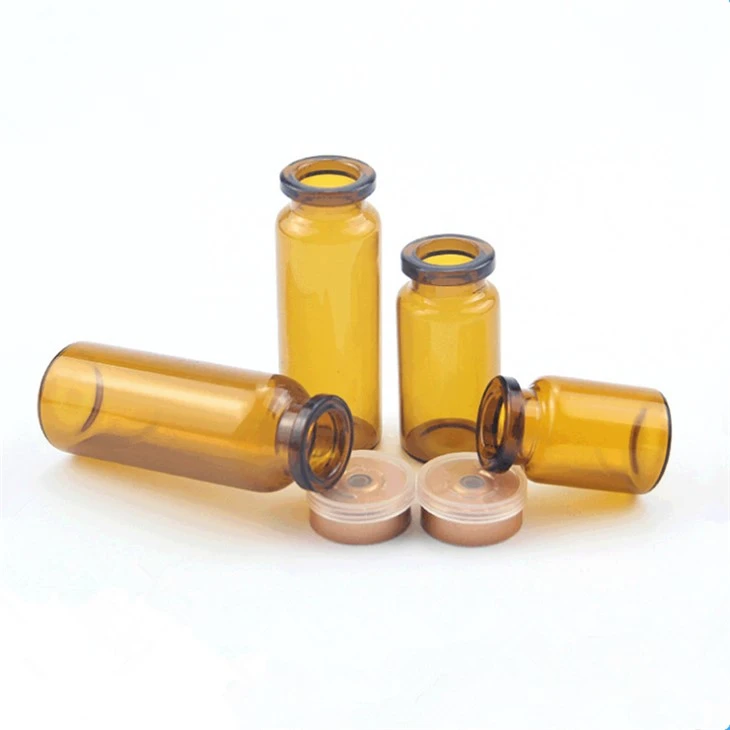
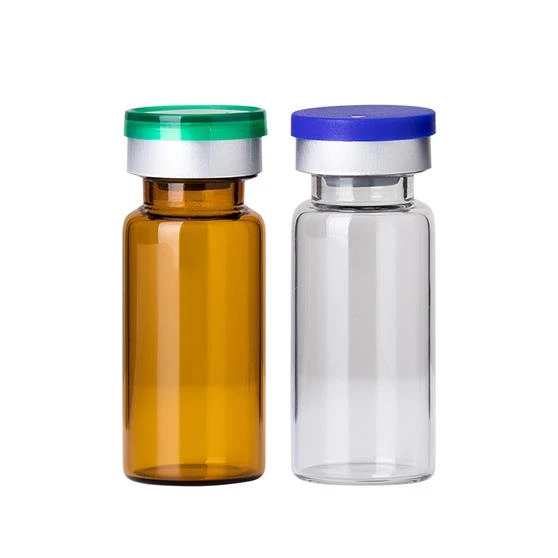
In addition to 60 ml glass bottles, there are other sizes and types of glass bottles that can be used for storing essential oils. For example, 10ml Medicine Bottle are ideal for storing small amounts of essential oils or for creating sample sizes. 1ml Glass Bottle are even smaller and are often used for single-dose applications. Medicine Packaging Bottle come in a variety of sizes and shapes and are designed specifically for storing medicinal products, including essential oils.
Conclusion
In conclusion, 60 ml glass bottles are an excellent choice for storing essential oil sprays. They offer a combination of functionality, versatility, and protection, making them a popular option among essential oil enthusiasts and businesses alike. If you are looking for a reliable and high-quality container for your essential oil sprays, I encourage you to consider using 60 ml glass bottles.
If you are interested in purchasing 60 ml glass bottles or any other glass bottle products for your essential oil business, please feel free to contact me for more information. I would be happy to discuss your specific needs and provide you with a customized solution.
References
- Tisserand, R., & Young, R. (2014). Essential Oil Safety: A Guide for Health Care Professionals. Churchill Livingstone Elsevier.
- Lawless, J. (1995). The Illustrated Encyclopedia of Essential Oils. Element Books.