

As a medical vial supplier, I understand the critical importance of ensuring the safe and effective transportation of medical vials within a cold chain. Cold chain transportation is a complex process that involves maintaining a specific temperature range from the point of manufacture to the end - user to preserve the integrity and efficacy of the medical products contained in the vials. Here, I will delve into the various requirements for transporting medical vials in a cold chain.
Temperature Control
The most fundamental requirement in cold - chain transportation of medical vials is strict temperature control. Different medical products have different temperature requirements. Some may need to be stored and transported at a temperature between 2°C and 8°C, while others may require ultra - low temperatures, such as - 20°C or even lower.
To achieve this, specialized refrigerated containers and vehicles are essential. These containers are equipped with advanced temperature - regulating systems that can maintain a stable temperature throughout the journey. For example, modern refrigerated trucks use high - efficiency compressors and insulation materials to minimize heat transfer. Temperature sensors are also installed inside the containers to continuously monitor the temperature. These sensors can send real - time data to a central monitoring system, allowing logistics personnel to take immediate action if the temperature deviates from the set range.
In addition, it is crucial to have a backup power supply for the refrigeration systems. Power outages can occur during transportation, and a reliable backup power source, such as a generator or a battery - powered system, ensures that the temperature remains stable.
Packaging
Proper packaging is another key requirement for the cold - chain transportation of medical vials. The packaging not only needs to protect the vials from physical damage but also help maintain the desired temperature.
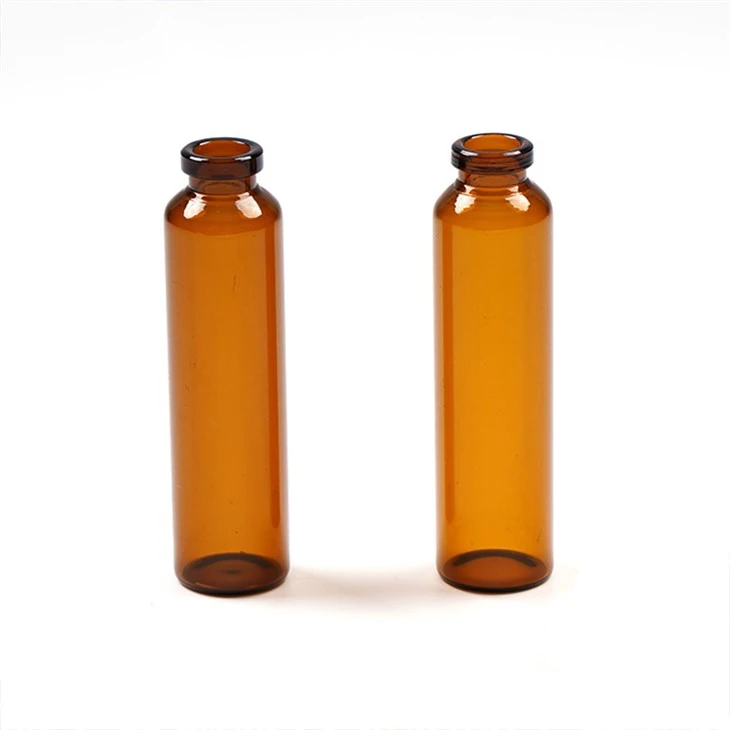
The primary packaging for medical vials is often made of high - quality glass. Our company offers a variety of glass vials, including Mini Bottles Glass and Clear Glass Bottle. Glass is an ideal material for medical vials because it is inert, non - reactive, and can provide an excellent barrier against moisture, oxygen, and light.
For cold - chain transportation, the primary packaging is usually placed inside secondary packaging, which provides additional insulation. Insulated boxes made of materials like expanded polystyrene (EPS) or polyurethane foam are commonly used. These materials have low thermal conductivity, which helps to slow down the heat transfer and keep the internal temperature stable.
Moreover, phase - change materials (PCMs) can be incorporated into the packaging. PCMs can absorb or release a large amount of heat during the phase - change process (e.g., from solid to liquid or vice versa). By using PCMs, the temperature inside the packaging can be maintained within a narrow range for an extended period.
Documentation and Traceability
Accurate documentation and traceability are essential in cold - chain transportation of medical vials. Every step of the transportation process should be carefully recorded, including the temperature history, the time of loading and unloading, and the location of the shipment at different points.
Temperature records are particularly important. They serve as evidence that the medical vials have been transported within the required temperature range. Digital temperature loggers are commonly used to record the temperature continuously. These loggers can store data for a long time and can be easily retrieved for inspection.
Traceability systems allow for the tracking of the medical vials from the manufacturer to the end - user. Barcode scanning and radio - frequency identification (RFID) technology are often used to monitor the movement of the vials. In case of any issues, such as temperature excursions or product recalls, the traceability system enables quick identification of the affected products and their location.
Handling and Training
Proper handling of medical vials during cold - chain transportation is crucial. Personnel involved in the transportation process should receive comprehensive training on cold - chain management.
They need to understand the importance of maintaining the correct temperature, how to operate the refrigeration equipment, and how to handle the vials safely. For example, when loading and unloading the vials, they should be careful not to drop or damage the containers. They also need to be aware of the proper procedures for opening and closing the refrigerated containers to minimize heat ingress.
In addition, training should cover emergency response procedures. In case of a temperature deviation or equipment failure, the personnel should know how to take immediate action to prevent damage to the medical vials.
Quality Assurance and Regulatory Compliance
Medical vial transportation in a cold chain is subject to strict quality assurance and regulatory requirements. Regulatory bodies, such as the Food and Drug Administration (FDA) in the United States and the European Medicines Agency (EMA) in Europe, have established guidelines and standards for cold - chain logistics.
These regulations cover various aspects, including temperature control, packaging, documentation, and personnel training. Companies involved in the transportation of medical vials must comply with these regulations to ensure the safety and efficacy of the medical products.
Quality assurance programs should be in place to regularly monitor and evaluate the cold - chain transportation process. Audits and inspections should be conducted to identify any potential issues and take corrective actions.
Environmental Conditions
The environmental conditions during transportation also need to be considered. Extreme weather conditions, such as high temperatures, heavy rain, or snow, can pose challenges to cold - chain transportation.
During hot weather, additional measures may be needed to keep the refrigerated containers cool. This could include increasing the cooling capacity of the refrigeration systems or using shading devices to reduce the heat absorbed by the containers. In cold weather, the insulation of the containers should be sufficient to prevent the vials from freezing.
In addition, the humidity level inside the containers should be controlled. High humidity can cause condensation, which may damage the vials or affect the performance of the temperature - monitoring equipment.
Loading and Unloading
The loading and unloading process of medical vials in cold - chain transportation should be carefully planned. The vials should be loaded and unloaded as quickly as possible to minimize the time they are exposed to the outside environment.
When loading the vials into the refrigerated containers, they should be arranged in a way that allows for proper air circulation. This helps to ensure uniform temperature distribution inside the container. Similarly, during unloading, the vials should be transferred to a suitable storage environment immediately.
Communication
Effective communication is vital in cold - chain transportation of medical vials. All parties involved in the process, including the manufacturer, the logistics provider, and the end - user, should have clear and timely communication.
The manufacturer should provide detailed information about the temperature requirements and handling instructions of the medical vials to the logistics provider. The logistics provider should keep the manufacturer and the end - user informed about the status of the shipment, including any temperature excursions or delays.
In conclusion, the transportation of medical vials in a cold chain is a complex and highly regulated process. It requires strict temperature control, proper packaging, accurate documentation, well - trained personnel, and compliance with regulatory requirements. As a medical vial supplier, we are committed to providing high - quality vials and working closely with logistics partners to ensure the safe and effective transportation of medical products. If you are interested in our medical vials or have any questions about cold - chain transportation, please feel free to contact us for further discussion and potential procurement opportunities.

References
- World Health Organization. Guidelines on cold chain systems.
- Food and Drug Administration. Regulations for the transportation of pharmaceutical products.
- European Medicines Agency. Good distribution practice guidelines for medicinal products.