

As a trusted Penicillin Bottle supplier, I understand the critical importance of safe stacking in the pharmaceutical packaging industry. Proper stacking not only ensures the integrity of the penicillin bottles but also maximizes storage space and maintains a high - standard of safety. In this blog, I will share some key strategies on how to stack penicillin bottles safely.
Understanding the Characteristics of Penicillin Bottles
Before we delve into the stacking methods, it's essential to understand the nature of penicillin bottles. These bottles are typically made of high - quality glass, which offers excellent chemical resistance and stability to preserve the penicillin effectively. However, glass is also fragile and can be easily damaged if not handled properly.
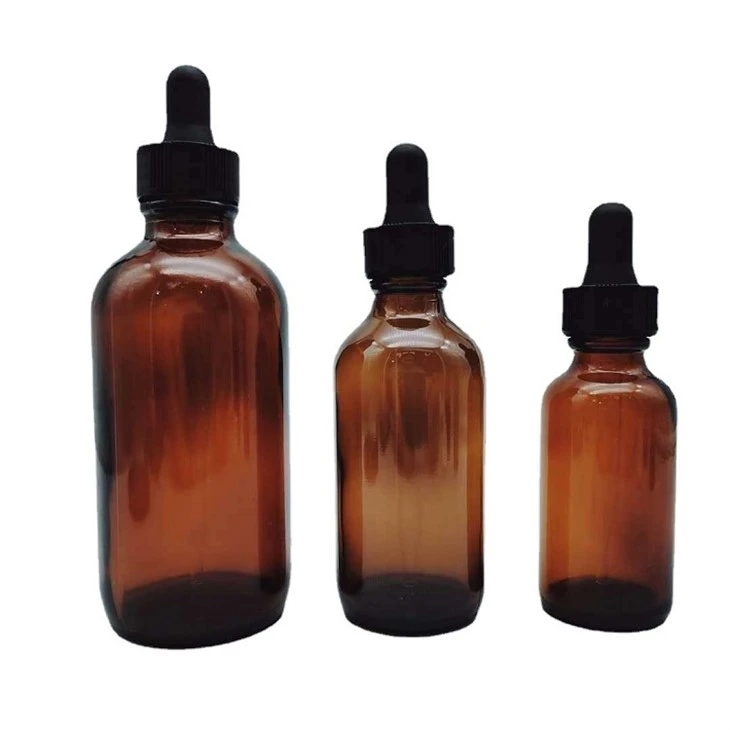
We offer a variety of penicillin bottles, such as the 20ml Amber Glass Bottle. The amber color provides protection against light, which is crucial as penicillin can be sensitive to light degradation. Another option is the Blue Glass Bottle, which also has its unique properties and aesthetic appeal. Our Medicine Packaging Bottle range is designed to meet the strict requirements of the pharmaceutical industry.
Pre - stacking Preparation
- Inspection of Bottles
- Before stacking, each penicillin bottle should be thoroughly inspected. Check for any visible cracks, chips, or other defects. Even a small crack can compromise the integrity of the bottle and pose a risk during stacking and storage. If a defective bottle is found, it should be removed from the batch immediately.
- Cleaning and Drying
- Ensure that the bottles are clean and dry. Any residual moisture can lead to the growth of mold or bacteria, and it can also make the bottles slippery, increasing the risk of them toppling over during stacking. Use appropriate cleaning agents and drying methods as per the industry standards.
- Selecting the Right Storage Area
- Choose a storage area that is clean, dry, and well - ventilated. The floor should be level to prevent the stacks from leaning or collapsing. The area should also be protected from extreme temperatures and humidity, as these factors can affect the quality of the penicillin and the integrity of the glass bottles.
Stacking Techniques
- Use of Pallets
- Pallets are an essential tool for safe stacking. Place the penicillin bottles on a sturdy, clean pallet. The pallet should be of the appropriate size to accommodate the number of bottles being stacked. Make sure the bottles are evenly distributed on the pallet to maintain balance. For example, if you are stacking square - shaped penicillin bottles, arrange them in a grid pattern on the pallet.
- Stacking Height
- It's crucial to limit the stacking height. The maximum stacking height depends on several factors, including the size and shape of the bottles, the strength of the pallet, and the floor load capacity. As a general rule, for smaller penicillin bottles, the stack should not be too high to avoid excessive pressure on the bottom - layer bottles. A stack that is too tall is also more likely to topple over. For instance, if you are stacking standard 20ml penicillin bottles, a stack height of 5 - 6 layers may be a reasonable limit.
- Inter - layer Protection
- To prevent the bottles from rubbing against each other and causing damage, use inter - layer protection. This can be in the form of cardboard sheets or plastic dividers. Place a layer of protection between each layer of bottles. The inter - layer material should be clean and free of any sharp edges that could scratch the bottles.
- Stacking Pattern
- Adopt a stable stacking pattern. For round penicillin bottles, a pyramid - like stacking pattern can be effective. Start with a wider base and gradually reduce the number of bottles in each successive layer. This pattern distributes the weight evenly and provides better stability. For square or rectangular bottles, a column - based stacking pattern can be used, where the bottles are stacked directly on top of each other in straight columns.
Securing the Stacks
- Stretch Wrapping
- Once the penicillin bottles are stacked on the pallet, use stretch wrapping to secure the stack. The stretch wrap holds the bottles together and prevents them from shifting during handling and transportation. Wrap the stretch film tightly around the stack, starting from the bottom and working your way up. Make sure to cover the entire stack, including the sides and the top.
- Corner Protectors
- Install corner protectors on the pallets. These protectors help to reinforce the corners of the stack and prevent damage from impacts. Corner protectors can be made of plastic or cardboard and are easy to install.
Monitoring and Maintenance
- Regular Inspections
- Conduct regular inspections of the stacked penicillin bottles. Check for any signs of damage, such as cracked bottles or loose stretch wrapping. Inspect the pallets for any signs of wear and tear. If any issues are detected, take immediate corrective action.
- Temperature and Humidity Monitoring
- Continuously monitor the temperature and humidity in the storage area. Use appropriate sensors to ensure that the conditions remain within the acceptable range for penicillin storage. Fluctuations in temperature and humidity can affect the quality of the penicillin and the integrity of the glass bottles.
Conclusion
Safe stacking of penicillin bottles is a multi - step process that requires careful planning, proper techniques, and regular monitoring. By following the strategies outlined in this blog, you can ensure the safety and integrity of your penicillin bottle inventory.
If you are in the market for high - quality penicillin bottles, we are here to serve you. Our range of 20ml Amber Glass Bottle, Blue Glass Bottle, and Medicine Packaging Bottle is designed to meet the diverse needs of the pharmaceutical industry. Contact us to discuss your specific requirements and start a procurement negotiation today.

References
- Pharmaceutical Packaging Handbook, 3rd Edition
- Guidelines for Safe Storage of Pharmaceutical Products by the World Health Organization