

Can 1 ml vials be used for storing proteins? That's a question I get asked a lot as a supplier of 1 ml vials. And let me tell you, it's a pretty important one. Proteins are these super - cool biological molecules that are involved in just about every process in our bodies, from digestion to muscle movement. So, storing them properly is a big deal.
First off, let's talk about what proteins are. They're made up of amino acids, kind of like building blocks. And these amino acids are linked together in long chains that fold up into really specific shapes. It's this shape that determines what the protein can do. But here's the catch: proteins are pretty delicate. Factors like temperature, pH, and even the container they're stored in can mess with their shape and function.
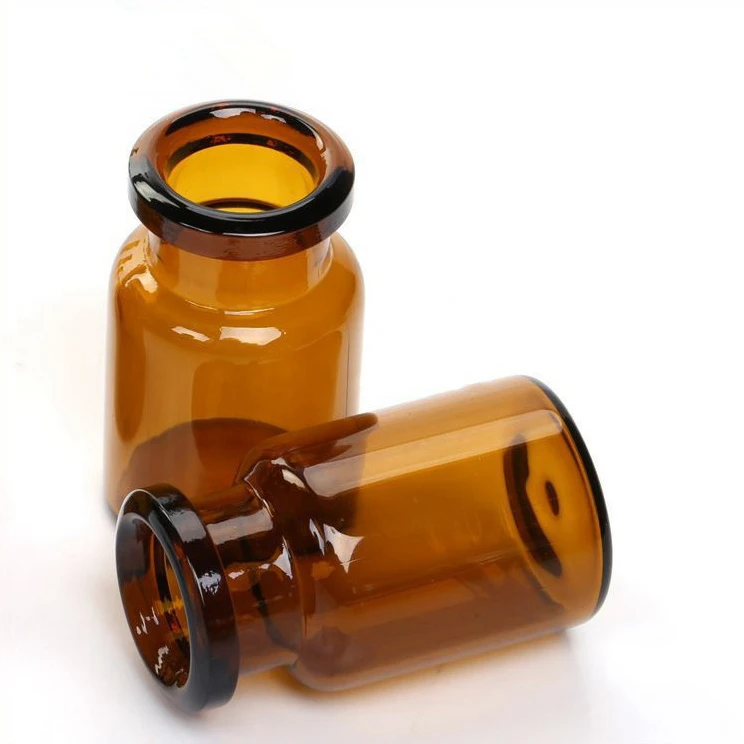
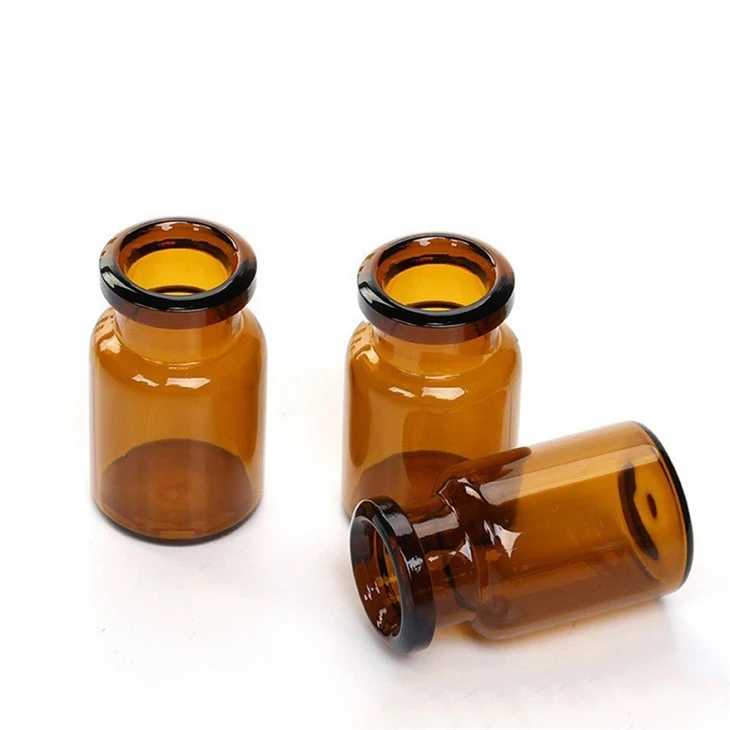
Now, let's get to the 1 ml vials. These little guys have a bunch of perks when it comes to protein storage. One of the biggest advantages is their size. They're small, which means you don't need a ton of space to store them. If you're working in a lab with limited shelf space, that's a huge plus. You can fit a whole bunch of 1 ml vials in a small area, which is great for keeping your samples organized.
Another cool thing about 1 ml vials is that they're pretty good at protecting proteins from the outside world. Most of the 1 ml vials I supply are made of high - quality glass or plastic. Glass vials, for example, are inert. That means they don't react with the proteins inside. So, there's no risk of the vial leaching any chemicals into the protein solution and ruining it. Plastic vials can also be a good option. They're lightweight and less likely to break than glass, which is handy if you need to transport your protein samples.
But it's not all sunshine and rainbows. There are a few things you need to watch out for when using 1 ml vials to store proteins. One issue is the surface area to volume ratio. Because 1 ml vials are small, they have a relatively large surface area compared to the volume of the protein solution inside. This can lead to something called surface adsorption. Basically, the proteins can stick to the walls of the vial, which reduces the amount of protein in the solution. And that's not good if you're trying to do accurate experiments.
To deal with surface adsorption, you can use vials that have been treated with special coatings. These coatings make the surface of the vial less sticky, so the proteins are less likely to stick to it. Another option is to add small amounts of additives to the protein solution, like detergents or polymers. These additives can also help prevent the proteins from sticking to the vial walls.
Temperature control is another crucial factor. Proteins are very sensitive to temperature changes. Most proteins need to be stored at low temperatures, usually in a freezer. 1 ml vials are great for this because they can fit easily into standard freezers and can be quickly retrieved when needed. However, you need to be careful when thawing the samples. Rapid temperature changes can cause the proteins to denature, which means they lose their shape and function. So, it's best to thaw the vials slowly, for example, by placing them in a refrigerator overnight.
Now, let's say you're not just storing small amounts of proteins. Maybe you need to store larger volumes. In that case, you might want to check out our 10ml Amber Glass Bottle or 20ml Amber Glass Bottle. These bottles are also made of high - quality glass and are great for storing larger quantities of proteins. They offer the same inert properties as the 1 ml vials, but with more capacity.
And if you're in the pharmaceutical industry, our Medicine Packaging Bottle could be a great option. These bottles are designed to meet the strict requirements of medicine packaging, which often includes storing proteins in a stable environment.
In conclusion, 1 ml vials can definitely be used for storing proteins. They offer a convenient and practical solution, especially for small - scale storage. But you need to be aware of the potential issues, like surface adsorption and temperature control, and take steps to address them.
If you're interested in purchasing 1 ml vials or any of our other products for protein storage, don't hesitate to get in touch. We're here to help you find the best solution for your protein storage needs. Whether you're a small research lab or a large pharmaceutical company, we've got the products and expertise to support you.
References
- Lodish, H., Berk, A., Kaiser, C. A., Krieger, M., Scott, M. P., Bretscher, A.,... & Matsudaira, P. (2008). Molecular Cell Biology. W. H. Freeman.
- Murphy, K. M., Travers, P., & Walport, M. (2011). Janeway's Immunobiology. Garland Science.