

When it comes to medicine storage, ensuring the air - tightness of medicine bottles after opening is of utmost importance. As a medicine bottle supplier, I've witnessed firsthand the significance of this factor in maintaining the efficacy and safety of medications. In this blog, I'll share some practical methods to check if a medicine bottle is air - tight after opening.
Visual Inspection
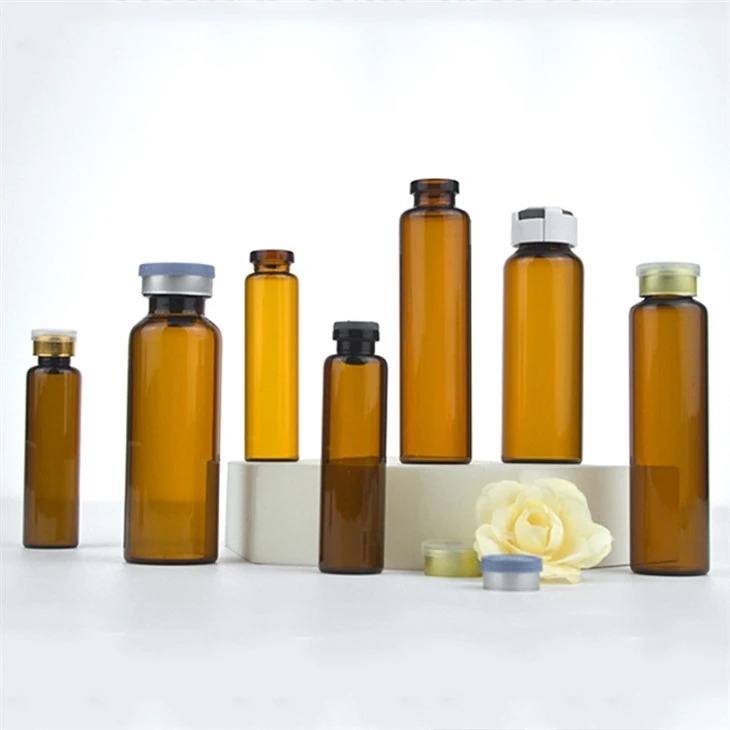
The first step in checking air - tightness is a simple visual inspection. Carefully examine the bottle and its cap. Look for any visible signs of damage, such as cracks in the glass or plastic of the bottle, or chips in the cap. A damaged bottle or cap is likely to compromise air - tightness. For example, if you're using an 10ml Amber Glass Bottle, a hair - line crack in the glass could allow air to seep in over time.
Check the seal between the bottle and the cap. Many medicine bottles come with a tamper - evident seal or a rubber gasket. If the seal is broken or the gasket is missing or damaged, it's a clear indication that the bottle may not be air - tight. Some high - quality Amber Medicine Glass Bottle have a special double - seal design. Make sure both seals are intact.
The Water Test
A straightforward and effective way to test air - tightness is the water test. Fill a sink or a container with water. Place the opened medicine bottle, with the cap tightly screwed on, upside down in the water. Make sure the water level is high enough to cover the bottle's opening.
If you see bubbles rising from the bottle, it means that air is escaping from the bottle, indicating that the bottle is not air - tight. This method works well for most types of medicine bottles, including small 1 Ml Vials. However, be cautious when using this test for bottles that contain water - soluble medications, as you don't want to damage the medicine inside.
Pressure Test
Another reliable method is the pressure test. You can use a simple hand - held vacuum pump or a syringe to create a pressure difference. First, place a piece of plastic wrap over the bottle's opening and secure it tightly with a rubber band.
Using the vacuum pump or syringe, gently remove some air from the space between the plastic wrap and the bottle's opening. If the plastic wrap remains sucked down and doesn't bulge back up, it suggests that the bottle is air - tight. This test measures the bottle's ability to hold a pressure difference, which is a good indicator of its air - tightness.
Weight Check
For some medications, a weight check can be a useful way to assess air - tightness. Weigh the medicine bottle immediately after opening and record the weight. Then, store the bottle under normal conditions for a certain period, say a week or two.
If the weight of the bottle decreases significantly, it could be a sign that air has entered the bottle, causing the medication to evaporate or react with the air. This method is especially useful for volatile medications or those that are sensitive to moisture in the air.
Long - term Observation
Sometimes, the best way to determine air - tightness is through long - term observation. Store the opened medicine bottle in a controlled environment, such as a cool, dry place away from direct sunlight.
Regularly check the appearance and smell of the medication inside. If the medication starts to change color, develop an unusual odor, or show signs of degradation, it may be due to air entering the bottle. For example, some antibiotics may lose their potency when exposed to air for an extended period.
Importance of Air - tightness
Maintaining air - tightness in medicine bottles is crucial for several reasons. Firstly, it helps to preserve the chemical stability of the medication. Many medications are sensitive to oxygen, moisture, and light. When air enters the bottle, these elements can react with the medication, leading to a decrease in its effectiveness or even the formation of harmful by - products.

Secondly, air - tight bottles prevent contamination. Bacteria, fungi, and other microorganisms can easily enter an open bottle if it's not air - tight. This can pose a serious health risk to the patient using the medication.
Choosing the Right Medicine Bottle
As a medicine bottle supplier, I understand the importance of providing high - quality, air - tight bottles. When choosing a medicine bottle, consider the material. Glass bottles, such as amber glass, are often a good choice because they are less permeable to air and moisture compared to plastic bottles. They also provide better protection against light, which can degrade some medications.
The design of the bottle and cap is also crucial. Look for bottles with a well - fitting cap and a reliable sealing mechanism. Some bottles have a child - resistant cap design, which not only provides safety but also helps to maintain air - tightness.
Conclusion
Checking the air - tightness of a medicine bottle after opening is an essential step in ensuring the quality and safety of medications. By using the methods mentioned above, such as visual inspection, water test, pressure test, weight check, and long - term observation, you can determine if a bottle is still air - tight.
As a medicine bottle supplier, I'm committed to providing products that meet the highest standards of air - tightness. If you're in the market for high - quality medicine bottles, whether it's the 10ml Amber Glass Bottle, Amber Medicine Glass Bottle, or 1 Ml Vials, I encourage you to reach out to me for more information and to discuss your specific requirements. We can work together to find the best solution for your medicine storage needs.
References
- Pharmaceutical Packaging Handbook. Edited by Wilfried A. Roos.
- Principles of Pharmaceutical Dosage Forms and Drug Delivery Systems. By Ansel HC, Popovich NG, and Allen LV Jr.