

As a supplier of gray rubber stoppers, I often encounter a crucial question from customers: Are gray rubber stoppers waterproof? This inquiry is not just a simple yes-or-no matter; it delves into the properties, applications, and performance of these essential components. In this blog, I will explore the waterproof capabilities of gray rubber stoppers, considering various factors that influence their effectiveness.
Understanding the Basics of Gray Rubber Stoppers
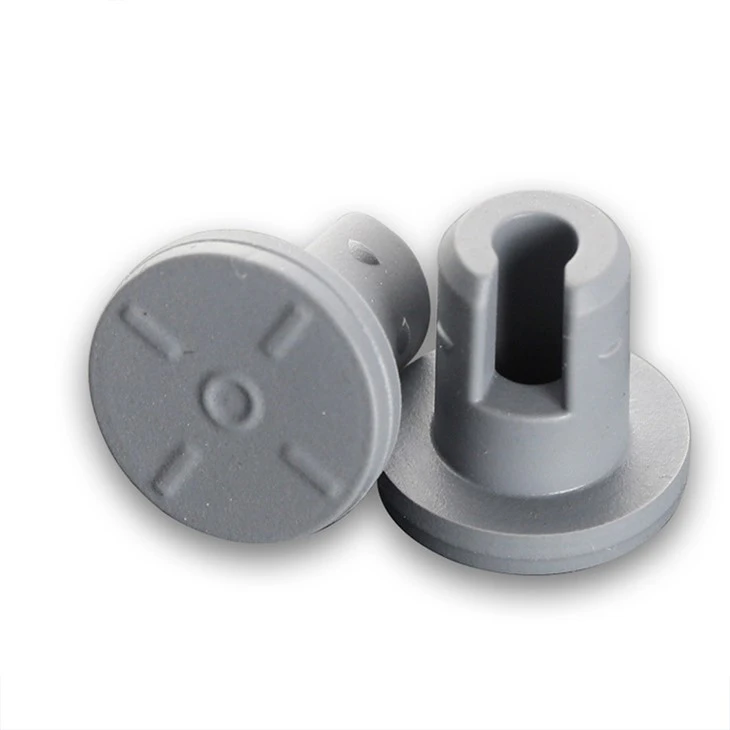
Gray rubber stoppers are made from rubber compounds, which can vary depending on the specific requirements of the application. The rubber used can be natural rubber, synthetic rubber such as neoprene, butyl rubber, or a combination of different polymers. These materials are chosen for their flexibility, durability, and sealing properties.
The gray color is often a result of the additives or fillers used in the rubber formulation. These additives can enhance certain properties of the rubber, such as resistance to heat, chemicals, or aging. However, the color itself does not directly relate to the waterproofness of the stopper.
Factors Affecting Waterproofness
Rubber Material
The type of rubber used in the stopper is a primary factor in determining its waterproof capabilities. Butyl rubber, for example, is known for its excellent impermeability to gases and liquids. It has a low solubility coefficient for water vapor, which means it can effectively prevent water from passing through. This makes butyl rubber stoppers a popular choice for applications where waterproofing is critical, such as in pharmaceutical vials or chemical storage containers.
On the other hand, natural rubber may not be as waterproof as butyl rubber. It is more porous and can absorb water over time, which can lead to swelling and a decrease in its sealing performance. However, natural rubber can be treated or blended with other materials to improve its waterproofness.
Manufacturing Process
The manufacturing process also plays a significant role in the waterproofness of gray rubber stoppers. A well - molded stopper with a smooth surface and uniform density is more likely to provide a tight seal and prevent water ingress. Any defects in the molding process, such as air bubbles, cracks, or uneven edges, can compromise the waterproof integrity of the stopper.
During the manufacturing process, quality control measures are essential to ensure that the stoppers meet the required standards. This includes testing the stoppers for water resistance through methods such as immersion tests or pressure - differential tests.
Design and Fit
The design of the stopper and its fit within the container are crucial for waterproofing. A stopper that is too small or too large for the opening will not form a proper seal. The shape of the stopper, such as its diameter, height, and taper, must be carefully designed to match the container's opening.
For example, stoppers for injection vials are designed to fit snugly into the vial neck to prevent any leakage of the liquid contents. The Stoppers for Injection Vials on our website are engineered to provide a reliable seal, ensuring the sterility and integrity of the pharmaceutical product inside.
Applications and Waterproof Requirements
Pharmaceutical Industry
In the pharmaceutical industry, waterproof stoppers are essential to maintain the quality and stability of drugs. Pharmaceutical vials are often sealed with rubber stoppers to prevent moisture, oxygen, and other contaminants from entering. The 20mm Bromobutyl Rubber Stopper is a popular choice in this industry due to its excellent chemical resistance and waterproof properties. It can effectively protect the drug from degradation caused by moisture, ensuring its efficacy and safety.
Chemical Industry
In the chemical industry, gray rubber stoppers are used to seal containers of various chemicals. These chemicals can be corrosive, reactive, or sensitive to moisture. A waterproof stopper is necessary to prevent the leakage of chemicals and to protect the environment and personnel. Butyl rubber stoppers are commonly used in this industry because of their resistance to a wide range of chemicals and their ability to provide a reliable waterproof seal.
Laboratory Settings
In laboratories, rubber stoppers are used to seal test tubes, flasks, and other glassware. The waterproofness of these stoppers is important to prevent the evaporation of solvents or the contamination of samples. The Rubber Stopper 32mm is a versatile option for laboratory applications, providing a tight seal for different sizes of glassware.
Testing the Waterproofness of Gray Rubber Stoppers
There are several methods to test the waterproofness of gray rubber stoppers. One common method is the immersion test, where the stopper is immersed in water for a specified period of time, and the amount of water absorbed or the presence of leakage is measured. Another method is the pressure - differential test, where a pressure difference is applied across the stopper, and the rate of water flow through the stopper is measured.
These tests can provide valuable information about the waterproof performance of the stoppers and help ensure that they meet the required standards for different applications.

Limitations and Considerations
While gray rubber stoppers can provide effective waterproofing in many applications, there are some limitations to consider. Over time, the rubber can degrade due to exposure to environmental factors such as heat, light, and chemicals. This can lead to a decrease in its waterproof properties and sealing performance.
In addition, extreme conditions such as high pressure, high temperature, or prolonged immersion in water can also affect the waterproofness of the stoppers. It is important to choose the right type of rubber stopper and to ensure proper installation and maintenance to maximize its waterproof performance.
Conclusion
In conclusion, gray rubber stoppers can be waterproof, but their waterproofness depends on several factors, including the rubber material, manufacturing process, design, and fit. By carefully selecting the appropriate rubber compound, ensuring high - quality manufacturing, and proper design, gray rubber stoppers can provide reliable waterproofing in a wide range of applications, from pharmaceuticals to chemicals and laboratories.
If you are in need of high - quality gray rubber stoppers for your specific application, we are here to help. Our company specializes in providing a variety of rubber stoppers with excellent waterproof properties. We can offer customized solutions to meet your unique requirements. Contact us for a consultation and let's discuss how our products can meet your waterproofing needs.
References
- ASTM International. (Year). Standard test methods for rubber products.
- ISO Standards. (Year). Standards for rubber stoppers in different industries.
- Rubber Manufacturers Association. (Year). Technical data on rubber materials and their properties.