

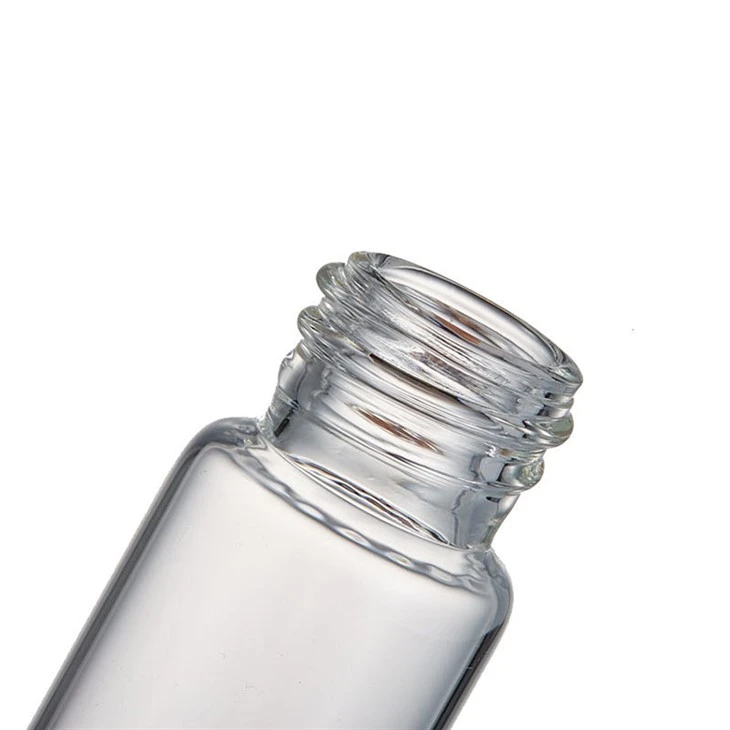
Sterilizing a 15ml glass bottle is a crucial process, especially when it comes to applications in the pharmaceutical, cosmetic, and food industries. As a supplier of 15ml glass bottles, I understand the importance of providing clear guidance on proper sterilization methods to ensure the safety and quality of the products stored in these bottles. In this blog post, I will share several effective ways to sterilize a 15ml glass bottle.
Why Sterilization is Necessary
Before diving into the sterilization methods, it's essential to understand why sterilization is necessary. Glass bottles, even when they appear clean, can harbor various microorganisms such as bacteria, fungi, and viruses. These microorganisms can contaminate the contents of the bottle, leading to spoilage, reduced shelf - life, and potential health risks for the end - users. By sterilizing the 15ml glass bottles, we can eliminate these harmful microorganisms and ensure that the products stored inside remain safe and effective.
Methods of Sterilizing a 15ml Glass Bottle
1. Dry Heat Sterilization
Dry heat sterilization is a widely used method for glassware. It works by exposing the bottles to high temperatures in a dry environment. This method is effective in killing microorganisms through oxidation and denaturation of their proteins.
Procedure:
- First, make sure the 15ml glass bottles are clean. Wash them thoroughly with a mild detergent and rinse them with distilled water to remove any visible dirt or debris.
- Place the clean bottles in a dry heat sterilizer. The temperature and time settings depend on the type of microorganisms you want to eliminate. For most common bacteria and fungi, a temperature of 160 - 180°C for 2 - 3 hours is usually sufficient.
- After the sterilization cycle is complete, let the bottles cool down slowly inside the sterilizer to prevent thermal shock, which could cause the glass to crack.
Advantages:
- It is a simple and straightforward method.
- It does not leave any residue on the glass bottles.
Disadvantages:
- It requires a relatively long time and high energy consumption.
- Some heat - sensitive materials may be damaged by the high temperatures.
2. Steam Sterilization
Steam sterilization, also known as autoclaving, is another popular method for sterilizing glass bottles. It uses high - pressure steam to kill microorganisms. The high moisture content in the steam helps to penetrate the cell walls of microorganisms more effectively, leading to their destruction.
Procedure:
- Clean the 15ml glass bottles as described above.
- Place the bottles in an autoclave. Make sure they are properly arranged to allow steam to circulate freely around them.
- Set the autoclave to a temperature of 121 - 134°C and a pressure of 15 - 30 psi for 15 - 30 minutes. The exact time and temperature depend on the nature of the load and the type of microorganisms.
- After the sterilization cycle, let the pressure in the autoclave return to normal gradually before opening the door.
Advantages:
- It is a fast and effective method.
- It can penetrate deep into the materials and kill a wide range of microorganisms.
Disadvantages:
- There is a risk of corrosion if the glass bottles are not properly dried after sterilization.
- Some heat - sensitive substances may be affected by the high - pressure steam.
3. Chemical Sterilization
Chemical sterilization involves the use of chemical agents to kill microorganisms. This method is suitable for situations where heat sterilization is not feasible, such as when dealing with heat - sensitive materials.
Procedure:
- Clean the 15ml glass bottles.
- Immerse the bottles in a suitable chemical sterilant, such as hydrogen peroxide, ethylene oxide, or peracetic acid. The concentration and immersion time depend on the type of chemical used. For example, a 3% hydrogen peroxide solution may require an immersion time of 30 minutes to 1 hour.
- After immersion, rinse the bottles thoroughly with sterile water to remove any residual chemical.
Advantages:
- It can be used for heat - sensitive materials.
- It can be carried out at room temperature.
Disadvantages:
- Some chemical sterilants are toxic and require special handling and disposal.
- Residual chemicals may remain on the glass bottles if not rinsed properly.
Considerations for Sterilizing 15ml Glass Bottles
- Quality of Glass: The quality of the 15ml glass bottles can affect the sterilization process. High - quality glass is more resistant to thermal shock and chemical corrosion, which is important during sterilization. As a supplier, I ensure that our 15ml glass bottles are made from high - grade glass materials to withstand the sterilization processes.
- Packaging after Sterilization: Once the bottles are sterilized, they should be properly packaged to maintain their sterility. Use sterile packaging materials such as plastic bags or sealed containers.
Other Related Glass Bottles
In addition to the 15ml glass bottles, we also supply other types of glass bottles, such as Penicillin Bottle, 10ml Glass Bottle, and Penicillin Bottle 10ml. The sterilization methods described above can also be applied to these bottles, with appropriate adjustments to the time and temperature settings based on their size and shape.
Conclusion
Sterilizing a 15ml glass bottle is a critical step to ensure the safety and quality of the products stored inside. Whether you choose dry heat sterilization, steam sterilization, or chemical sterilization, it is important to follow the proper procedures and consider the specific requirements of your application. As a reliable supplier of 15ml glass bottles, I am committed to providing high - quality products and useful information to our customers. If you are interested in purchasing our 15ml glass bottles or have any questions about sterilization, please feel free to contact us for further discussion and negotiation.

References
- Block, S. S. (2001). Disinfection, Sterilization, and Preservation. Lippincott Williams & Wilkins.
- Russell, A. D., Hugo, W. B., & Ayliffe, G. A. J. (1999). Principles and Practice of Disinfection, Preservation and Sterilization. Blackwell Science.