

As a dedicated supplier of Blue Glass Bottle, I've often been asked about the impact of humidity on our products. This question isn't just a casual inquiry; it's a critical concern for industries that rely on the integrity of blue glass bottles, such as pharmaceuticals, cosmetics, and high - end beverages. In this blog, I'll delve into the science behind how humidity affects blue glass bottles, based on my years of experience in the industry and relevant scientific research.
Understanding the Composition of Blue Glass Bottles
Blue glass bottles are primarily made of silica (SiO₂), along with various metal oxides that give them their distinctive blue color. The manufacturing process involves heating these raw materials to extremely high temperatures, resulting in a rigid and stable structure. The blue tint is often due to the presence of cobalt oxide, which not only provides an aesthetically pleasing appearance but also offers some level of UV protection.
The structure of glass is amorphous, meaning it lacks a regular, repeating crystalline structure like many other solids. This unique structure gives glass its transparency, hardness, and resistance to many chemicals. However, it also means that glass can interact with its environment in specific ways, including responding to changes in humidity.
The Impact of Humidity on Blue Glass Bottles
Surface Effects
One of the most immediate effects of humidity on blue glass bottles is the formation of a thin layer of water on the surface. When the relative humidity in the environment is high, water molecules in the air can condense on the cooler surface of the glass. This thin film of water can act as a medium for the adsorption of other substances in the air, such as dust, pollutants, and even microorganisms.
Over time, the presence of this water layer can lead to the formation of a hazy or cloudy appearance on the surface of the glass. This is especially noticeable in bottles that are stored in areas with high and fluctuating humidity levels. For example, in a warehouse near a coastal area where the humidity can be consistently high, blue glass bottles may develop a dull surface over a few months.
In addition, the water on the surface can cause some of the metal ions in the glass to leach out. Although the amount of leaching is usually very small, it can be a concern for applications where the purity of the contents is crucial, such as in the pharmaceutical industry. For instance, the leaching of cobalt ions from blue glass could potentially contaminate the medicine stored inside, although this is a rare occurrence under normal conditions.
Structural Effects
In most cases, normal levels of humidity do not cause significant structural damage to blue glass bottles. Glass is a relatively stable material, and its molecular structure is not easily disrupted by water vapor. However, extreme and prolonged exposure to high humidity can have some long - term effects.
High humidity can accelerate the process of glass corrosion, especially in the presence of certain contaminants in the air. When water vapor reacts with the glass surface, it can break down the silica network to a small extent. This is more likely to happen if the glass has any surface defects or if it is exposed to acidic or alkaline substances in the air.
Another potential structural issue is the expansion and contraction of the glass due to changes in humidity. Glass has a very low coefficient of thermal expansion, but changes in humidity can still cause slight dimensional changes. In a sealed environment where the pressure inside the bottle is affected by these dimensional changes, it could potentially lead to issues such as leakage or breakage. However, this is more of a concern in extreme cases and for bottles that are tightly sealed and stored in environments with large and rapid humidity fluctuations.
How to Mitigate the Effects of Humidity
As a supplier, I understand the importance of ensuring that our blue glass bottles reach our customers in the best possible condition. Here are some strategies that can be employed to mitigate the effects of humidity:
Storage Conditions
Proper storage is key to minimizing the impact of humidity on blue glass bottles. Bottles should be stored in a controlled environment with a stable relative humidity level, ideally between 40% and 60%. This can be achieved by using dehumidifiers in warehouses or storage areas. In addition, the storage area should be well - ventilated to prevent the buildup of moisture.
Packaging
Using appropriate packaging materials can also help protect blue glass bottles from humidity. For example, wrapping the bottles in moisture - resistant materials such as plastic film or placing them in sealed containers can prevent direct contact with water vapor in the air.
Coating
Applying a protective coating to the surface of the blue glass bottles can enhance their resistance to humidity. There are various types of coatings available, such as silicone - based coatings, which can form a barrier between the glass and the environment. This can reduce the adsorption of water and other contaminants on the glass surface.
Applications and Concerns in Different Industries
Pharmaceutical Industry
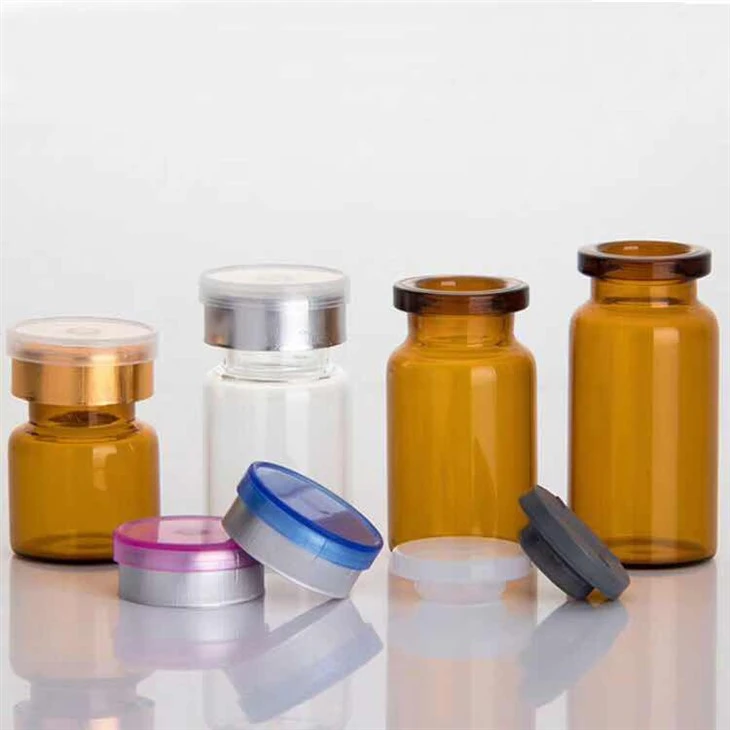
In the pharmaceutical industry, the integrity of blue glass bottles is of utmost importance. Many medications are sensitive to light, moisture, and oxygen, and blue glass provides some protection against light. However, humidity can still pose a risk. Pharmaceutical companies need to ensure that the bottles are stored and transported under controlled conditions to prevent any potential contamination or degradation of the medicine. For example, Glass Injection Vials used for injectable drugs need to be stored in a dry environment to maintain the sterility and efficacy of the contents.
Cosmetics Industry
The cosmetics industry also relies on blue glass bottles for their aesthetic appeal and the protection they offer against light. However, humidity can affect the quality of the cosmetics stored inside. For example, high humidity can cause the separation of ingredients in creams or lotions, or it can lead to the growth of microorganisms. Cosmetic manufacturers need to pay close attention to the storage and packaging of their products in blue glass bottles to ensure product quality and safety.
Beverage Industry
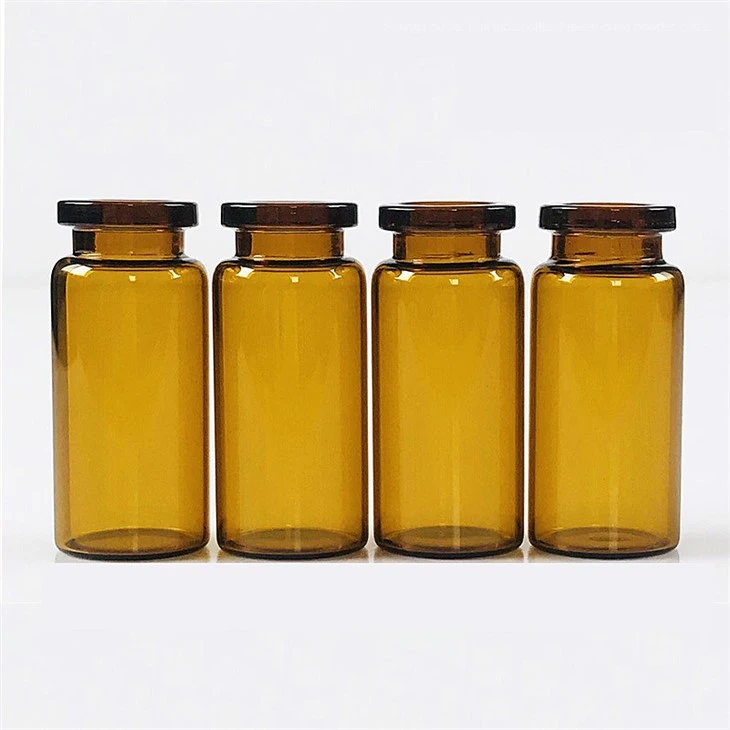
In the beverage industry, especially for high - end wines and spirits, blue glass bottles are often used to enhance the visual appeal of the product. Humidity can affect the cork or closure of the bottle, leading to leakage or spoilage of the beverage. For instance, a 10ml Glass Vial with Rubber Stopper used for premium liqueurs needs to be protected from high humidity to prevent the rubber stopper from deteriorating and allowing air to enter the bottle.
Conclusion
In conclusion, while blue glass bottles are generally robust and resistant to many environmental factors, humidity can have some effects on their appearance and performance. Surface haze, metal ion leaching, and potential structural issues are all concerns that need to be addressed. By implementing proper storage, packaging, and coating strategies, these effects can be minimized.
If you're in an industry that requires high - quality blue glass bottles, I invite you to reach out to discuss your specific needs. Whether it's for pharmaceuticals, cosmetics, or beverages, we have the expertise and products to meet your requirements. Contact us to start a conversation about your procurement needs and explore how our blue glass bottles can add value to your products.
References
- Scholes, C. A., & Fitch, A. N. (1980). The corrosion of glass by water vapour. Journal of Non - Crystalline Solids, 38, 507 - 513.
- Shelby, J. E. (2005). Introduction to Glass Science and Technology. Royal Society of Chemistry.
- ASTM International. (2019). Standard Practices for Sampling and Testing Glass. ASTM C162 - 19.