

Turning a blue glass bottle into a lamp is a creative and rewarding DIY project that can add a touch of unique charm to your living space. As a supplier of blue glass bottles, I'm excited to share with you the step-by-step process of transforming these beautiful bottles into functional and decorative lamps.
Materials Needed
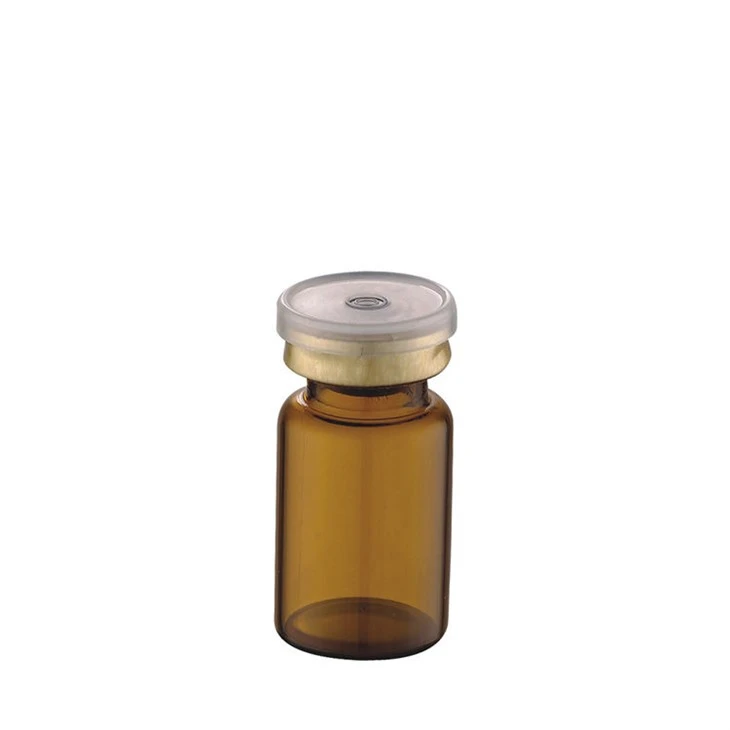
Before we start, let's gather all the necessary materials. You'll need a blue glass bottle, of course. We offer a variety of blue glass bottles, such as the Penicillin Bottle 30ml, Small Medicine Bottle, and Glass Vial. These bottles come in different shapes and sizes, allowing you to choose the one that best suits your lamp design.
In addition to the blue glass bottle, you'll also need the following materials: - Lamp kit: You can purchase a lamp kit at your local hardware store or online. Make sure to choose a kit that is suitable for the size and type of your bottle. - Light bulb: Select a light bulb that fits the lamp kit. You can choose from a variety of bulb types, such as LED, incandescent, or fluorescent, depending on your preference. - Sandpaper: Use sandpaper to smooth the edges of the bottle opening and create a better surface for attaching the lamp kit. - Glue: You'll need glue to secure the lamp kit to the bottle. Make sure to choose a glue that is suitable for glass and can withstand the heat generated by the light bulb. - Wire cutters: These will be used to cut the wires in the lamp kit. - Pliers: Pliers will help you bend and shape the wires as needed.

Step 1: Prepare the Bottle
The first step is to prepare the blue glass bottle. Start by cleaning the bottle thoroughly to remove any dirt, dust, or residue. You can use warm soapy water and a soft cloth to clean the bottle. Rinse it well and let it dry completely.
Once the bottle is dry, use sandpaper to smooth the edges of the bottle opening. This will prevent the lamp kit from scratching or cracking the glass. Gently sand the edges in a circular motion until they are smooth.
Step 2: Assemble the Lamp Kit
Next, it's time to assemble the lamp kit. Follow the instructions provided with the kit carefully. Usually, the kit will include a socket, a switch, a cord, and a plug. Start by attaching the socket to the lamp kit base. Use the screws or clips provided to secure the socket in place.
Then, connect the wires from the socket to the switch and the cord. Make sure to match the colors of the wires correctly. You may need to use wire cutters and pliers to cut and bend the wires as needed. Once the wires are connected, test the lamp kit by plugging it in and turning on the switch. If the light bulb lights up, the lamp kit is working properly.
Step 3: Attach the Lamp Kit to the Bottle
Now that the lamp kit is assembled, it's time to attach it to the blue glass bottle. Apply a small amount of glue to the base of the lamp kit and carefully place it on the bottle opening. Press down firmly to ensure a good bond. Let the glue dry completely according to the manufacturer's instructions.
If the lamp kit has a screw-on base, you can simply screw it onto the bottle opening. Make sure it is tightened securely to prevent the lamp from wobbling or falling off.
Step 4: Insert the Light Bulb
Once the lamp kit is attached to the bottle, insert the light bulb into the socket. Make sure the bulb is screwed in tightly to ensure a good connection. You can choose a light bulb with the desired brightness and color temperature to create the perfect ambiance for your space.
Step 5: Add Decorative Elements (Optional)
If you want to add some extra flair to your blue glass bottle lamp, you can consider adding decorative elements. For example, you can wrap some twine or ribbon around the neck of the bottle to give it a rustic look. You can also attach some beads, shells, or other small items to the bottle using glue or wire.
Another option is to paint the bottle with acrylic paint. You can create a simple design or pattern on the bottle to make it more unique. Let the paint dry completely before using the lamp.
Step 6: Test the Lamp
Before using the lamp, it's important to test it to make sure it is working properly. Plug the lamp into an electrical outlet and turn on the switch. Check if the light bulb lights up and if the switch is functioning correctly. If there are any issues, double-check the wiring connections and make sure everything is secure.

Benefits of Using Blue Glass Bottles for Lamps
Blue glass bottles offer several benefits when used for lamps. Firstly, the blue color of the glass can create a calming and relaxing atmosphere. It can also add a touch of elegance and sophistication to your space.
Secondly, blue glass bottles are relatively inexpensive and easy to find. As a supplier, we offer a wide range of blue glass bottles at affordable prices. You can choose from different sizes, shapes, and styles to suit your needs and preferences.
Finally, using blue glass bottles for lamps is an eco-friendly option. Instead of throwing away the bottles, you can repurpose them into beautiful and functional lamps. This helps to reduce waste and contribute to a more sustainable environment.
Contact Us for Your Blue Glass Bottle Needs
If you're interested in purchasing blue glass bottles for your lamp projects or other applications, we'd love to hear from you. As a leading supplier of blue glass bottles, we offer high-quality products at competitive prices. We also provide excellent customer service and fast shipping.
Whether you need a small quantity of bottles for a DIY project or a large order for a commercial application, we can meet your needs. Contact us today to discuss your requirements and get a quote. We look forward to working with you!

References
- DIY Projects: Transforming Everyday Items into Home Decor. [Publisher Name], [Year of Publication].
- The Art of Upcycling: Creating Beautiful Things from Discarded Materials. [Author Name], [Year of Publication].
- Lighting Design: Principles and Practice. [Author Name], [Year of Publication].