

Are 1 ml Vials Leak - proof?
As a supplier of 1 ml vials, I often encounter questions from customers regarding the leak - proof nature of these small yet crucial containers. In the pharmaceutical, biotechnology, and research industries, the integrity of vials is of utmost importance, as they are used to store valuable and often sensitive substances.
The Design and Manufacturing of 1 ml Vials
1 ml vials are typically made from high - quality glass or plastic materials. Glass vials, in particular, are favored for their chemical inertness, which means they do not react with the substances they hold. This is essential for maintaining the purity of the contents over time. The manufacturing process of glass vials involves precise molding and finishing techniques. The vials are formed at high temperatures, ensuring a uniform wall thickness. A consistent wall thickness is vital for the structural integrity of the vial and contributes to its leak - proof capabilities.
Plastic 1 ml vials, on the other hand, are lightweight and more resistant to breakage. They are manufactured through injection molding processes, which can produce vials with high precision. The materials used for plastic vials are carefully selected to have low permeability to gases and liquids, reducing the risk of leakage.

Sealing Mechanisms
The sealing of 1 ml vials is a critical factor in determining their leak - proof performance. There are several common sealing methods:
Screw Caps: Screw caps provide a simple and effective way to seal vials. They are designed to create a tight fit when screwed onto the vial. The cap often has a rubber or plastic liner that helps to form a seal. When tightened properly, screw caps can prevent both liquid and gas leakage. However, it is important to ensure that the cap is not over - tightened, as this can damage the vial or the seal.
Stoppers: Rubber or elastomeric stoppers are commonly used to seal 1 ml vials. These stoppers are inserted into the opening of the vial and create a barrier against leakage. Stoppers are designed to be self - sealing, meaning they can return to their original shape after being punctured by a needle, for example, in the case of injectable medications. The quality of the stopper material and its proper insertion are crucial for maintaining a leak - proof seal.
Crimp Seals: Crimp seals are often used for pharmaceutical vials. A metal cap is placed over the stopper and then crimped onto the vial using a special tool. This creates a very secure and airtight seal. Crimp seals are difficult to open without the proper equipment, which adds an extra layer of security for the contents of the vial.
Testing for Leak - proofness
To ensure that our 1 ml vials are leak - proof, we conduct a series of rigorous tests. One common method is the dye penetration test. In this test, the vial is filled with a colored dye solution and then subjected to certain conditions, such as pressure changes or vibration. If there is any leakage, the dye will seep out of the vial, indicating a faulty seal.
Another test is the helium leak test. Helium is a very small molecule, and it can easily penetrate through the smallest of holes. The vial is placed in a chamber filled with helium, and any leakage is detected by a helium mass spectrometer. This test is extremely sensitive and can detect even the tiniest leaks.
Factors Affecting Leak - proofness
Several factors can affect the leak - proof performance of 1 ml vials:
Temperature: Extreme temperatures can cause the materials of the vial and the seal to expand or contract. This can lead to a loss of the seal integrity. For example, if a vial is stored at very high temperatures, the plastic may soften, and the seal may become loose. On the other hand, very low temperatures can make the rubber stopper brittle, increasing the risk of cracking and leakage.
Pressure: Changes in pressure can also affect the seal of the vial. If a vial is transported to a high - altitude area, the decrease in external pressure can cause the contents to expand, potentially breaking the seal. Similarly, if a vial is subjected to high internal pressure, such as in a high - speed centrifuge, it can put stress on the seal and lead to leakage.
Chemical Compatibility: The substances stored in the vial can react with the vial material or the seal. For example, some chemicals may dissolve the rubber stopper or cause the plastic to degrade. This can compromise the leak - proof performance of the vial.
Comparison with Other Container Sizes
When comparing 1 ml vials with larger containers such as 10ml Medicine Bottle, the smaller size of the 1 ml vial can actually be an advantage in terms of leak - proofness. Smaller vials have a smaller surface area and opening, which means there is less area for potential leakage. However, the smaller size also means that the sealing mechanisms need to be more precise, as even a tiny leak can have a significant impact on the small volume of contents.
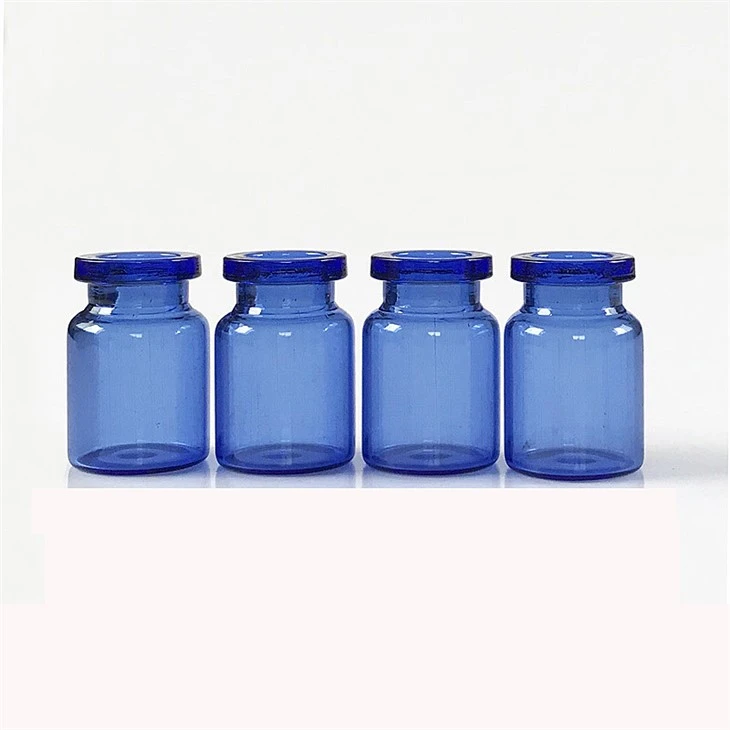
Blue Glass Bottle and Small Medicine Bottle also have their own characteristics. Blue glass bottles are often used to protect light - sensitive substances, and their leak - proofness depends on similar factors such as the quality of the seal and the manufacturing process. Small medicine bottles, like 1 ml vials, need to ensure that they can safely store medications without leakage.
Conclusion
In conclusion, 1 ml vials can be highly leak - proof when they are properly designed, manufactured, and sealed. Our company takes great care in every step of the production process, from selecting the right materials to conducting thorough testing. However, it is important to note that external factors such as temperature, pressure, and chemical compatibility can affect the leak - proof performance of the vials.
If you are in need of high - quality 1 ml vials or have any questions about their leak - proof capabilities, we encourage you to contact us for a detailed discussion. We are committed to providing you with the best solutions for your storage needs.

References
- ASTM International. (20XX). Standard test methods for evaluating the integrity of packaging.
- European Pharmacopoeia. (20XX). General chapter on container - closure systems for pharmaceutical preparations.
- ISO standards related to pharmaceutical packaging materials.