

Hey there! As a supplier of Glass Medical Vials, I often get asked this question: "Do glass medical vials need to be sterilized before each use?" Well, let's dive right into it and break it down.
First off, let's understand what glass medical vials are used for. These vials are super important in the medical and pharmaceutical industries. They're used to store all sorts of stuff like medications, vaccines, and even some laboratory samples. And because they're holding substances that are going to be used in medical treatments or research, the cleanliness and sterility of these vials are crucial.
Sterilization is the process of getting rid of all forms of microbial life, including bacteria, viruses, and fungi. In a medical setting, the stakes are really high. If a vial isn't properly sterilized, it could contaminate the medication or sample inside. This contamination can lead to some serious problems. For patients, it might mean an ineffective treatment or even an infection. In a research lab, it could mess up the entire experiment and lead to inaccurate results.
So, back to the question - do glass medical vials need to be sterilized before each use? The short answer is, in most cases, yes. But it depends on a few factors.
Factors Influencing the Need for Sterilization
1. The Nature of the Contents
If the vial is going to hold a sterile product, like a pre - formulated injectable medication or a vaccine, then it absolutely has to be sterile. Vaccines, for example, are designed to stimulate the immune system. If they're contaminated, they might not work as intended and could even cause harm. On the other hand, if the vial is used for storing non - sterile substances, like some herbal extracts or certain types of laboratory reagents that don't require a completely sterile environment, the need for sterilization might be less strict. But even then, it's still a good idea to keep the vial as clean as possible to prevent any potential spoilage or contamination.
2. The Storage Conditions
How the vials are stored also matters. If they're kept in a clean, controlled environment, like a properly maintained pharmaceutical storage facility, the risk of contamination is lower. But if they're stored in a dusty or humid place, there's a higher chance that they'll pick up contaminants. In such cases, sterilization before use becomes even more important.
3. The Re - use Policy
In some situations, glass medical vials are designed for single - use only. Once they've been opened and used, they're discarded. In these cases, the manufacturer usually takes care of the sterilization process during production. But there are also scenarios where vials are re - used. For example, in a research lab where resources are limited, vials might be cleaned and re - used multiple times. When re - using vials, sterilization before each new use is a must.
Methods of Sterilizing Glass Medical Vials
There are several methods available for sterilizing glass medical vials.

1. Autoclaving
This is one of the most common methods. Autoclaving uses high - pressure steam to kill microorganisms. The vials are placed in an autoclave machine, which heats the steam to a very high temperature (usually around 121°C or 250°F) for a specific period of time. This method is effective against a wide range of bacteria, viruses, and fungi. However, it might not be suitable for all types of vials, especially those with delicate components or coatings that could be damaged by the high - pressure steam.
2. Dry Heat Sterilization
Dry heat sterilization involves heating the vials in an oven at a high temperature (usually around 160 - 180°C or 320 - 356°F) for a few hours. This method is good for vials that can withstand high temperatures and is effective against most microorganisms. It's also a good option for vials that need to be free of moisture, as the dry heat helps to remove any residual water.
3. Chemical Sterilization
Some chemicals can be used to sterilize glass vials. For example, hydrogen peroxide or ethylene oxide can be used in a controlled environment to kill microorganisms. Chemical sterilization is often used when the vials can't be subjected to high temperatures. However, it's important to make sure that all traces of the chemical are removed from the vials before they're used to store medications or samples, as the chemicals could be harmful if they come into contact with the contents.
Our Role as a Glass Medical Vials Supplier
As a supplier, we take the issue of sterilization very seriously. We make sure that all our vials are manufactured in a clean and controlled environment. Our production facilities follow strict quality control measures to ensure that the vials are as clean as possible right from the start.

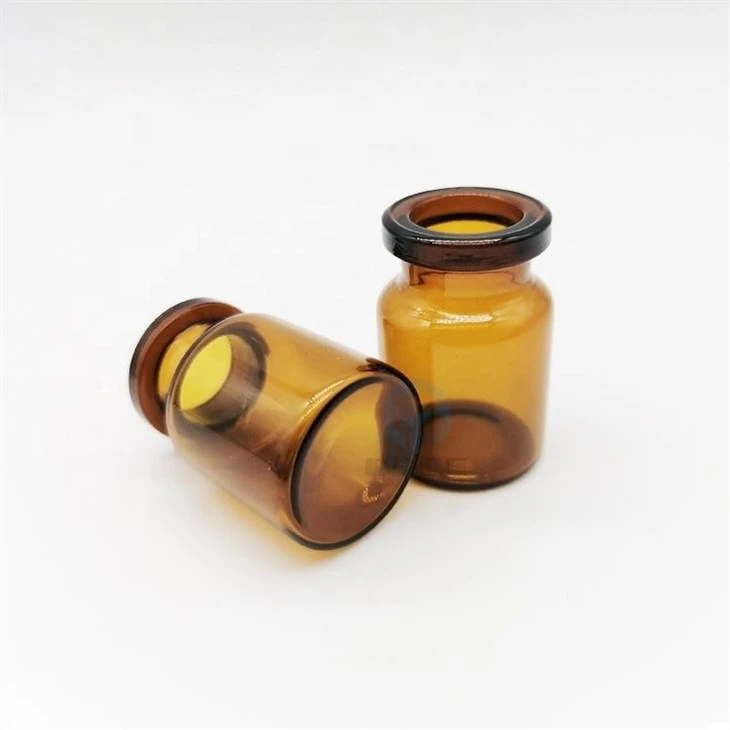
We offer a wide range of glass medical vials, including Small Medicine Bottle, Penicillin Bottle 10ml, and Flip Cap Amber Bottles. These vials are made from high - quality glass that is resistant to chemicals and can withstand the sterilization processes.
We also provide information and guidance to our customers on the best ways to handle and sterilize the vials. Whether you're a pharmaceutical company, a research lab, or a medical facility, we're here to support you in ensuring that your vials are safe and effective for use.
Why You Should Choose Our Glass Medical Vials
- Quality Assurance: We use only the best materials and manufacturing processes to ensure that our vials meet the highest quality standards.
- Variety: Our wide range of vials means that you can find the perfect one for your specific needs.
- Expert Support: Our team of experts is always available to answer your questions and provide advice on sterilization and other related issues.
If you're in the market for high - quality glass medical vials, we'd love to hear from you. Whether you have questions about our products, need more information on sterilization, or are ready to place an order, just reach out to us. We're here to make the process as smooth and easy as possible for you.
References
- "Principles and Practice of Sterilization in Health Care" by Andrew D. Pearson and David W. Soper
- "Pharmaceutical Microbiology" by Ronald M. Atlas