

In the world of pharmaceuticals, cosmetics, and various scientific research fields, vials play a crucial role in storing and preserving a wide range of substances. As a vial supplier, I have had the privilege of working with different types of vials, each designed to meet specific needs. In this blog post, I will explore the various types of vials available in the market and their unique characteristics.
Glass Vials
Glass vials are perhaps the most common type of vials used across different industries. They are known for their excellent chemical resistance, transparency, and ability to maintain the integrity of the stored substances. Here are some of the popular glass vial types:
Clear Glass Vials
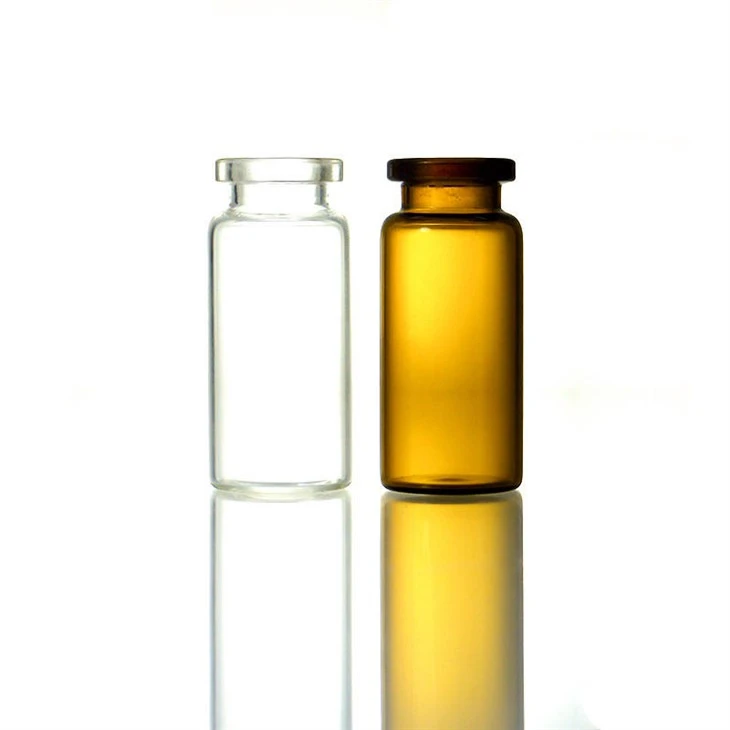
Clear glass vials, such as the ones available at Clear Glass Bottle, are widely used due to their transparency, which allows for easy visual inspection of the contents. They are often used in laboratories for storing chemicals, reagents, and samples. The clear glass also provides a high level of chemical resistance, making it suitable for a variety of substances.
Amber Glass Vials
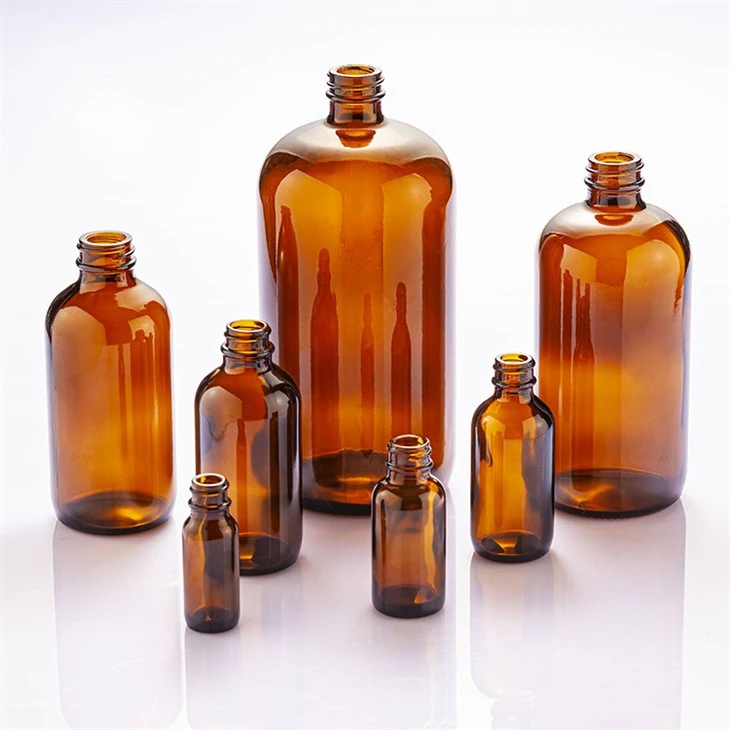
Amber glass vials are designed to protect light-sensitive substances from degradation caused by exposure to light. The amber color filters out ultraviolet and visible light, providing a barrier that helps maintain the stability of the contents. These vials are commonly used in the pharmaceutical industry for storing medications, vitamins, and other light-sensitive compounds.
1ml Glass Vials
1ml Glass Bottle vials are ideal for storing small quantities of substances. They are commonly used in research laboratories, clinical settings, and the cosmetics industry for samples, essential oils, and small doses of medications. The small size of these vials makes them convenient for transportation and storage.
2ml Glass Vials
Similar to 1ml glass vials, 2ml Glass Bottle vials are also popular for storing small to medium quantities of substances. They offer a slightly larger capacity, making them suitable for applications where a bit more volume is required. These vials are commonly used in the pharmaceutical, biotechnology, and cosmetic industries.
Plastic Vials
Plastic vials are another option available in the market. They are lightweight, shatterproof, and often more cost-effective than glass vials. Here are some common types of plastic vials:
Polypropylene Vials
Polypropylene vials are known for their chemical resistance and durability. They are suitable for storing a wide range of substances, including aqueous solutions, organic solvents, and biological samples. These vials are commonly used in the food and beverage industry, as well as in research laboratories for sample storage.
Polyethylene Vials
Polyethylene vials are flexible and have excellent moisture resistance. They are often used for storing liquids and powders that require protection from moisture. These vials are commonly used in the cosmetic and personal care industry for products such as creams, lotions, and powders.
Specialty Vials
In addition to glass and plastic vials, there are also specialty vials designed for specific applications. Here are some examples:
Freeze-Drying Vials
Freeze-drying vials are designed to withstand the freeze-drying process, which involves removing water from a substance by sublimation. These vials are made of materials that can withstand low temperatures and high vacuum conditions. They are commonly used in the pharmaceutical and biotechnology industries for preserving biological samples, vaccines, and other heat-sensitive substances.
Serum Vials
Serum vials are used for storing serum, a component of blood that contains antibodies and other proteins. These vials are designed to maintain the sterility and integrity of the serum. They are commonly used in clinical laboratories for diagnostic testing and in the pharmaceutical industry for vaccine production.
Crimp Top Vials
Crimp top vials are sealed with a crimped cap, which provides a secure and airtight seal. These vials are commonly used in the pharmaceutical and analytical chemistry industries for storing volatile substances and samples that require a high level of protection.
Choosing the Right Vial
When choosing a vial, it is important to consider several factors, including the type of substance to be stored, the required volume, the storage conditions, and the intended use. Here are some tips to help you choose the right vial:
- Chemical Compatibility: Ensure that the vial material is compatible with the substance to be stored. Some substances may react with certain materials, leading to degradation or contamination.
- Volume Requirements: Consider the volume of the substance to be stored and choose a vial with an appropriate capacity. It is also important to leave some headspace in the vial to allow for expansion.
- Storage Conditions: Take into account the storage conditions, such as temperature, humidity, and light exposure. Choose a vial that can provide the necessary protection for the substance under these conditions.
- Intended Use: Consider the intended use of the vial, such as for laboratory analysis, storage, or transportation. Choose a vial that is suitable for the specific application.
Conclusion
As a vial supplier, I understand the importance of choosing the right vial for your specific needs. Whether you are in the pharmaceutical, cosmetic, or scientific research industry, there is a vial type that can meet your requirements. By considering factors such as chemical compatibility, volume requirements, storage conditions, and intended use, you can select the most suitable vial for your application.
If you are interested in learning more about our vial products or would like to discuss your specific requirements, please feel free to contact us. We are committed to providing high-quality vials and excellent customer service. Let's work together to find the perfect vial solution for your business.
References
- Pharmaceutical Packaging Technology Handbook, Edited by Donald E. Bugay
- Cosmetic Packaging: Design, Development, and Innovation, Edited by Charles S. Craver
- Laboratory Glassware and Plasticware: Selection, Use, and Care, By John A. Dean