

When it comes to 1 ml vials, the choice of caps is crucial as it directly impacts the safety, integrity, and functionality of the vials. As a reliable 1 ml vials supplier, we understand the diverse needs of our customers and offer a wide range of caps to meet various requirements. In this blog post, we will explore the different types of caps available for 1 ml vials, their features, and applications.
Screw Caps
Screw caps are one of the most common types of caps used for 1 ml vials. They provide a secure and tight seal, preventing leakage and contamination. Screw caps are easy to use and can be easily tightened or loosened, making them suitable for both laboratory and pharmaceutical applications.
One of the key advantages of screw caps is their reusability. They can be removed and replaced multiple times without compromising the integrity of the vial. This makes them a cost - effective option for long - term storage and repeated use.
Screw caps come in different materials, including plastic and metal. Plastic screw caps are lightweight, affordable, and available in a variety of colors. They are often used for general laboratory applications where the vials do not require a high - level of chemical resistance. Metal screw caps, on the other hand, are more durable and offer better protection against harsh chemicals and high - pressure environments. They are commonly used in the pharmaceutical and biotechnology industries.
You can find a wide selection of vials suitable for screw caps on our Glass Medical Vials page.
Flip - Off Caps
Flip - off caps are designed for easy access to the contents of the vial. They are typically made of a thin layer of plastic or metal that can be easily removed by flipping it off. Flip - off caps are commonly used in applications where quick and convenient access to the sample is required, such as in clinical laboratories and point - of - care testing.
One of the main benefits of flip - off caps is their tamper - evident feature. Once the cap is removed, it cannot be re - attached in the same way, providing a clear indication if the vial has been opened. This is particularly important in the pharmaceutical industry, where product safety and integrity are of utmost importance.
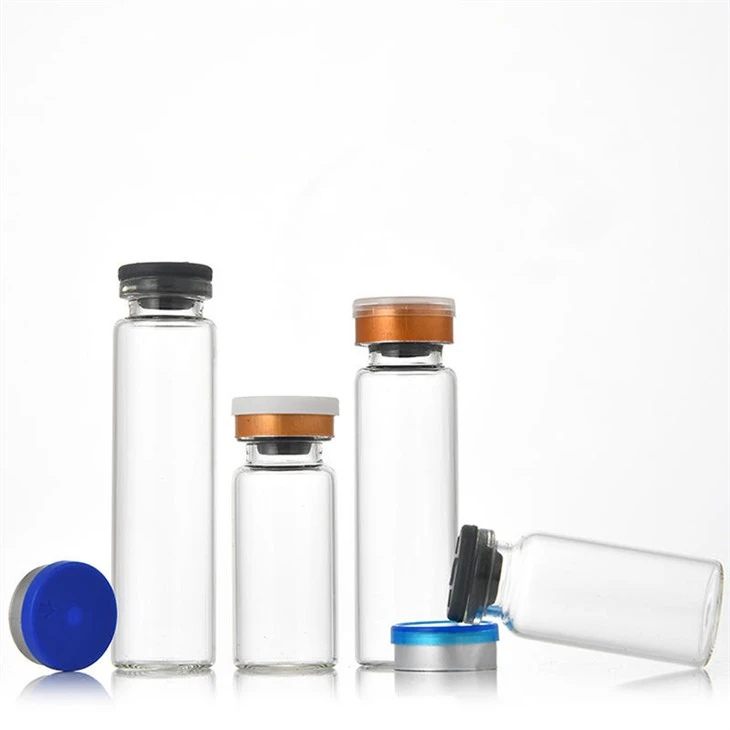
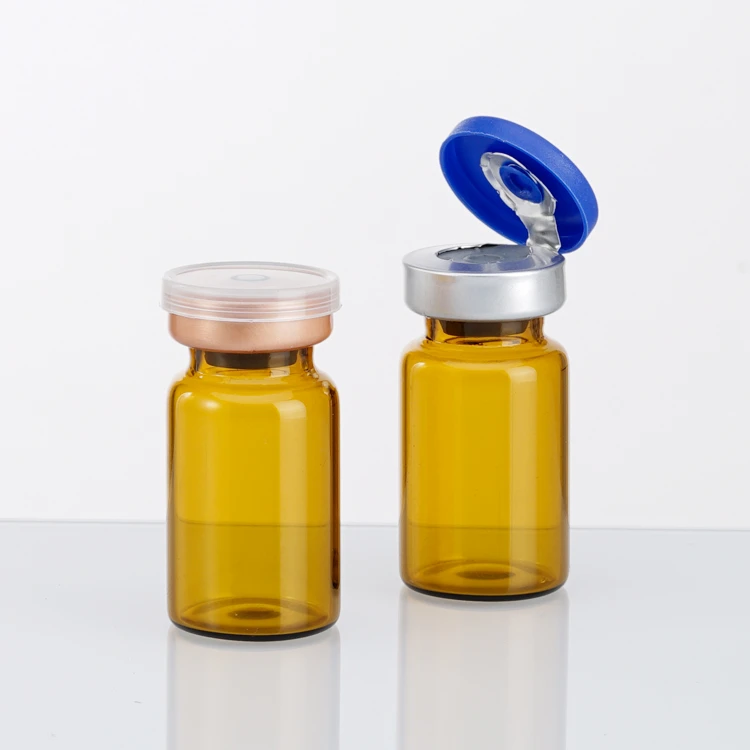
Flip - off caps are available in different sizes and colors to meet the specific needs of our customers. They can be customized with logos or labels for branding purposes. For vials with flip - off caps, you can visit our Medical Vial with Lid section.
Rubber Stoppers
Rubber stoppers are another popular choice for 1 ml vials. They provide an airtight and liquid - tight seal, protecting the contents of the vial from oxidation, evaporation, and contamination. Rubber stoppers are made of high - quality rubber materials that are resistant to chemicals and can withstand a wide range of temperatures.
There are different types of rubber stoppers available, including solid stoppers and slotted stoppers. Solid stoppers are used for vials that require a complete seal, while slotted stoppers are designed for vials that need to be accessed with a syringe. The slot in the stopper allows the syringe needle to penetrate easily without damaging the stopper.
Rubber stoppers are often used in the pharmaceutical industry for storing drugs, vaccines, and other biological products. They are also used in the food and beverage industry for preserving samples. You can explore our range of vials with rubber stoppers on our Medical Bottles with Rubber Stopper page.
Crimp Caps
Crimp caps are used in combination with rubber stoppers to provide an extra layer of protection. They are typically made of metal and are crimped onto the vial using a crimping tool. Crimp caps create a tight and secure seal, preventing the rubber stopper from being accidentally removed.
Crimp caps are commonly used in the pharmaceutical industry for products that require a high - level of protection, such as injectable drugs. They are also used in the wine and spirits industry for sealing bottles. The crimping process ensures that the cap is firmly attached to the vial, providing a long - term seal.
Crimp caps come in different styles, including plain caps and caps with tamper - evident features. Tamper - evident crimp caps have a breakable ring that indicates if the vial has been opened. This provides an additional level of security for the product.
Snap - On Caps
Snap - on caps are easy to install and remove, making them a convenient option for 1 ml vials. They are typically made of plastic and snap onto the vial with a simple press. Snap - on caps provide a good seal and are suitable for a variety of applications, including laboratory testing and sample storage.
One of the advantages of snap - on caps is their speed of use. They can be quickly attached or removed, which is beneficial in high - throughput laboratory settings. Snap - on caps are also available in different colors, allowing for easy identification of different samples or products.
Choosing the Right Cap for Your 1 ml Vials
When choosing a cap for your 1 ml vials, there are several factors to consider. First, you need to consider the type of contents in the vial. If the vial contains a volatile or reactive substance, you may need a cap that provides a high - level of chemical resistance, such as a metal screw cap or a rubber stopper.
Second, you need to consider the application of the vial. If the vial is used for long - term storage, you may need a cap that provides a tight and secure seal, such as a crimp cap or a screw cap. If the vial is used for quick access to the sample, a flip - off cap or a snap - on cap may be more suitable.
Third, you need to consider the cost and availability of the caps. Some caps, such as metal crimp caps, may be more expensive than plastic snap - on caps. You also need to ensure that the caps are readily available in the quantity and size you need.
As a 1 ml vials supplier, we are committed to providing our customers with high - quality caps that meet their specific needs. Our team of experts can help you choose the right cap for your vials based on your requirements.
If you are interested in purchasing 1 ml vials and their corresponding caps, we invite you to contact us for a detailed discussion. We can provide you with samples, pricing, and technical support to ensure that you make the best decision for your business.
References
- Pharmaceutical Packaging Handbook, edited by Patrick Cohen.
- Laboratory Glassware and Plasticware Guide, published by a leading laboratory equipment manufacturer.