

A vial adapter is a crucial component in various industries, especially in the medical, pharmaceutical, and laboratory fields. As a vial supplier, I've witnessed firsthand the importance and versatility of these small yet powerful devices. In this blog post, I'll delve into what a vial adapter is, its functions, types, and why it's an essential part of many processes.
What is a Vial Adapter?
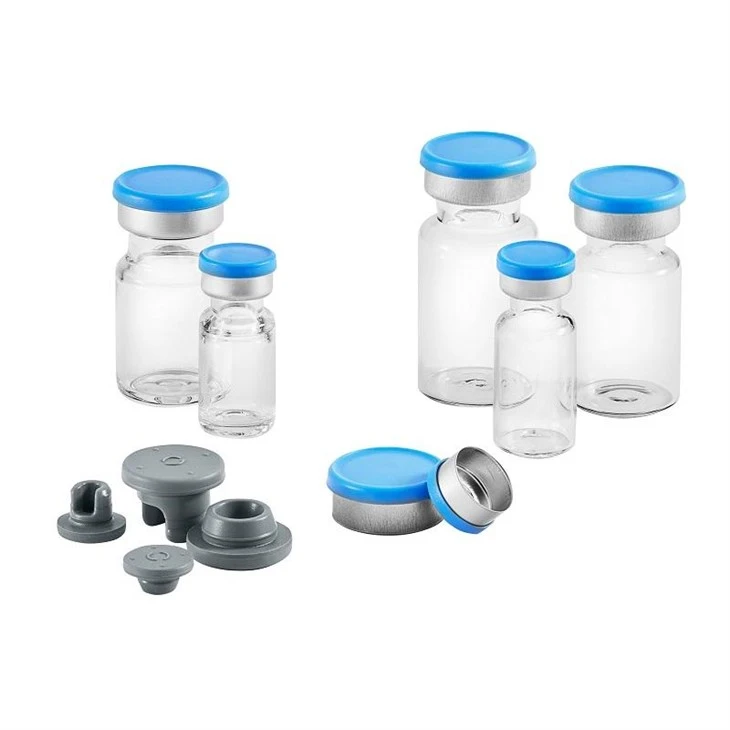
A vial adapter is a mechanical device designed to connect a vial to another system or instrument. It serves as an interface between the vial, which typically contains a sample or a substance, and the equipment that needs to access or manipulate the contents of the vial. Vial adapters come in different shapes, sizes, and materials, depending on their intended use and the type of vial they are designed to fit.
Functions of a Vial Adapter
The primary function of a vial adapter is to provide a secure and leak - proof connection between the vial and the external system. This ensures that the contents of the vial can be transferred, measured, or analyzed without any loss or contamination. Here are some of the key functions:
- Transfer of Liquids: In the pharmaceutical industry, vial adapters are used to transfer medications from vials to syringes or infusion bags. They ensure that the transfer is accurate and sterile, reducing the risk of contamination and ensuring patient safety.
- Sampling: In laboratory settings, vial adapters are used to collect samples from vials for analysis. They allow for precise sampling of small volumes of liquids or gases, which is crucial for accurate test results.
- Pressure Regulation: Some vial adapters are designed to regulate the pressure inside the vial. This is important when dealing with substances that are sensitive to pressure changes or when the vial needs to be connected to a system that operates at a different pressure.
Types of Vial Adapters
There are several types of vial adapters available on the market, each designed for specific applications. Here are some of the most common types:
- Luer Lock Adapters: These adapters are widely used in the medical field. They have a threaded connection that provides a secure and leak - proof fit. Luer lock adapters are commonly used to connect vials to syringes, needles, or other medical devices.
- Bayonet Adapters: Bayonet adapters use a quick - connect mechanism that allows for easy and fast attachment and detachment of the vial. They are often used in applications where frequent vial changes are required, such as in high - throughput laboratories.
- Threaded Adapters: Threaded adapters have a screw - on connection that provides a tight seal. They are suitable for applications where a high level of security is required, such as in the storage and transportation of hazardous substances.
Materials Used in Vial Adapters
Vial adapters can be made from a variety of materials, depending on the application and the requirements of the user. Some of the most common materials include:
- Plastic: Plastic vial adapters are lightweight, inexpensive, and easy to manufacture. They are suitable for applications where cost is a major factor and where the adapter does not need to withstand high pressures or temperatures.
- Stainless Steel: Stainless steel vial adapters are durable, corrosion - resistant, and can withstand high pressures and temperatures. They are commonly used in industrial and laboratory applications where reliability and longevity are important.
- Glass: Glass vial adapters are transparent, which allows for easy visual inspection of the contents of the vial. They are also chemically inert, making them suitable for use with a wide range of substances. However, glass adapters are more fragile than plastic or stainless steel adapters and require careful handling.
Importance of Vial Adapters in the Pharmaceutical Industry
In the pharmaceutical industry, vial adapters play a critical role in ensuring the safety and efficacy of medications. They are used in every stage of the drug development and manufacturing process, from research and development to packaging and distribution.
- Drug Development: During the drug development process, vial adapters are used to transfer small volumes of experimental drugs from vials to test tubes or other containers for analysis. They ensure that the drugs are handled safely and accurately, which is crucial for obtaining reliable results.
- Manufacturing: In the manufacturing of medications, vial adapters are used to fill vials with drugs and to transfer them to other processing equipment. They help to maintain the sterility of the drugs and prevent contamination, which is essential for ensuring the quality of the final product.
- Packaging and Distribution: Vial adapters are also used in the packaging and distribution of medications. They ensure that the drugs are properly sealed and protected during transportation, reducing the risk of damage and ensuring that the drugs reach the end - user in a safe and effective condition.
Our Vial Offerings
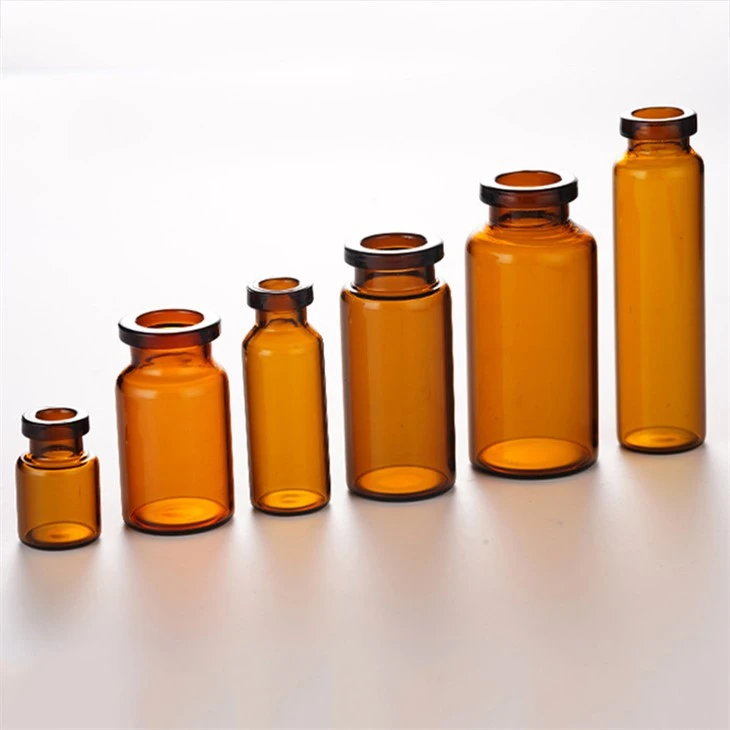
As a vial supplier, we offer a wide range of vials and vial adapters to meet the diverse needs of our customers. Our vials come in different sizes and materials, including 20ml Amber Glass Bottle Medicine, Medicine Bottle, and 15ml Glass Bottle. We also provide high - quality vial adapters that are compatible with our vials, ensuring a perfect fit and reliable performance.
Why Choose Our Vials and Vial Adapters?
- Quality Assurance: We are committed to providing products of the highest quality. Our vials and vial adapters are manufactured using state - of - the - art technology and undergo rigorous quality control checks to ensure that they meet the strictest industry standards.
- Customization Options: We understand that every customer has unique requirements. That's why we offer customization options for our vials and vial adapters. Whether you need a specific size, shape, or material, we can work with you to create a solution that meets your needs.
- Exceptional Customer Service: Our team of experts is dedicated to providing exceptional customer service. We are always available to answer your questions, provide technical support, and help you find the right products for your application.
Contact Us for Procurement
If you are interested in purchasing vials or vial adapters, we invite you to contact us for more information. Our team will be happy to discuss your requirements, provide you with a quote, and guide you through the procurement process. We look forward to working with you to meet your vial and vial adapter needs.
References
- "Handbook of Pharmaceutical Manufacturing Formulations", Edited by Sarfaraz N. Khar, CRC Press
- "Laboratory Equipment and Its Uses", by B. K. Sharma, Discovery Publishing House