

Hey there! As a supplier of 15ml glass bottles, I often get asked about what materials are used to make these little beauties. So, I thought I'd take a deep dive into this topic and share all the juicy details with you.
The Basics of Glass Composition
First things first, glass is a non - crystalline, often transparent amorphous solid. The main ingredient in most glass, including the ones we use for 15ml bottles, is silica (SiO₂). Silica is abundant in nature and can be found in sand. However, pure silica has a very high melting point (around 1700°C), which makes it difficult to work with. So, we need to add other materials to lower this melting point and make the glass more malleable.
Soda - Lime Glass: The Most Common Choice
The most commonly used type of glass for 15ml bottles is soda - lime glass. This type of glass is made up of three main components: silica, soda (sodium carbonate, Na₂CO₃), and lime (calcium oxide, CaO).
Silica, as I mentioned earlier, forms the structural framework of the glass. Soda is added to lower the melting point of the silica. Without soda, it would be extremely energy - intensive to melt the silica to form glass. But soda also has a downside. It makes the glass soluble in water, which is not ideal for most applications. That's where lime comes in. Lime makes the glass insoluble in water and also improves its chemical durability and mechanical strength.
The typical composition of soda - lime glass is about 70 - 74% silica, 12 - 16% soda, and 5 - 12% lime. Other minor components may include alumina (Al₂O₃), magnesia (MgO), and small amounts of various oxides that can affect the color and other properties of the glass.
Advantages of Soda - Lime Glass for 15ml Bottles
There are several reasons why soda - lime glass is so popular for 15ml bottles. Firstly, it's relatively inexpensive to produce. The raw materials are abundant and easy to obtain, which keeps the cost down. This is great for both us as suppliers and for you as customers.
Secondly, soda - lime glass has good chemical resistance. It can withstand a wide range of chemicals, making it suitable for storing various substances such as essential oils, perfumes, and some types of medications.
Thirdly, it's easy to shape. The lower melting point and good viscosity properties of soda - lime glass make it possible to use different manufacturing processes, such as blow - molding, to create the 15ml bottles with precision.
Other Types of Glass
While soda - lime glass is the most common, there are other types of glass that can be used for 15ml bottles in specific applications.
Borosilicate Glass
Borosilicate glass contains boron trioxide (B₂O₃) in addition to silica, soda, and lime. This type of glass has a very low coefficient of thermal expansion, which means it can withstand rapid temperature changes without cracking. It's often used in laboratory settings or for storing substances that need to be heated or cooled. However, it's more expensive to produce than soda - lime glass.
Flint Glass
Flint glass is a type of lead - containing glass. It has a high refractive index, which gives it a beautiful sparkle and clarity. Flint glass is often used for high - end perfume bottles or decorative items. But because of the lead content, it's not suitable for storing food or some types of chemicals.
Colorants and Additives
Sometimes, we add colorants and other additives to the glass to achieve specific effects. For example, if you want a colored 15ml bottle, we can add different metal oxides to the glass mixture.
- Cobalt Oxide: Adds a deep blue color to the glass. This is often used for bottles that need to protect the contents from UV light, as the blue color can absorb some of the harmful UV rays.
- Chromium Oxide: Gives the glass a green color. Green glass is also good at blocking certain wavelengths of light and is commonly used for storing beer and some types of wines.
- Selenium and Cadmium Sulfide: Can be used to create red - colored glass. Red glass is often used for decorative purposes.
In addition to colorants, we may also add other additives to improve the properties of the glass. For example, anti - scratching agents can be added to make the surface of the bottle more resistant to scratches during handling and transportation.
Quality Control
As a supplier, we take quality control very seriously. We test the glass bottles at every stage of the manufacturing process. We check the chemical composition to make sure it meets the required standards. We also test the mechanical properties, such as the strength and thickness of the glass walls.
We use advanced equipment to measure the dimensions of the 15ml bottles accurately. This ensures that they are the right size and shape, and that the caps fit properly. We also conduct leak - testing to make sure that the bottles are air - tight and can keep the contents fresh.
Our Product Range
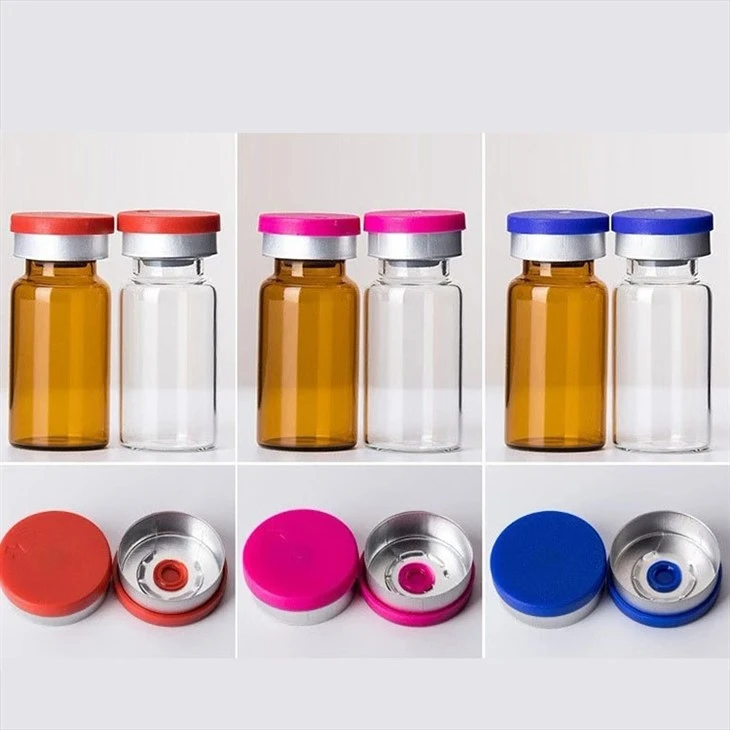
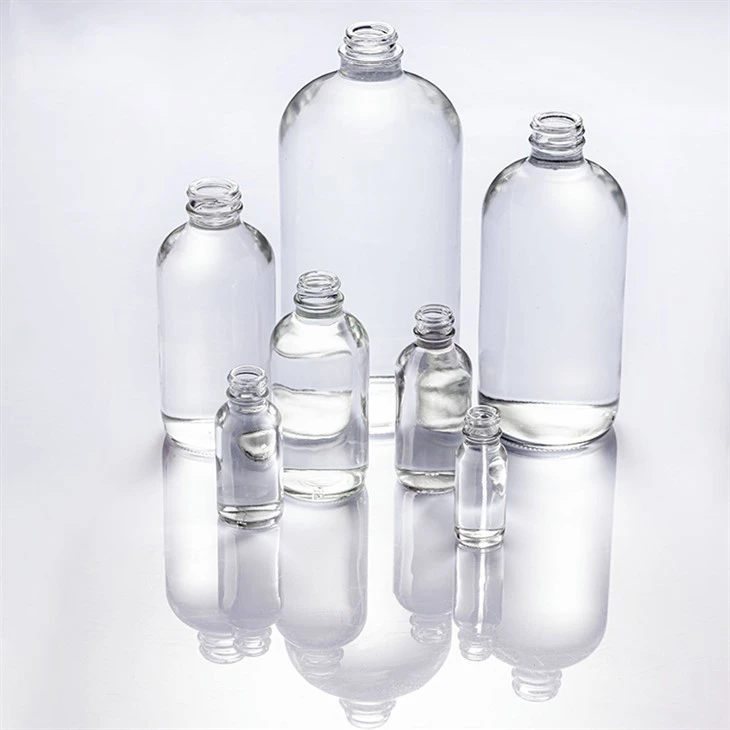
We offer a wide range of 15ml glass bottles. You can choose from different shapes, such as round, oval, and square. We also have different finishes, including clear, frosted, and colored.
If you're interested in other sizes of glass bottles, we've got you covered. Check out our 1ml Glass Bottle and 60 Ml Glass Bottles on our website. And if you prefer clear glass, our Clear Glass Bottle options are top - notch.
Why Choose Us
We've been in the business of supplying glass bottles for years, and we've built a reputation for quality and reliability. Our team of experts is always ready to help you choose the right type of 15ml glass bottle for your needs. We offer competitive prices and fast delivery times.
Whether you're a small business just starting out or a large corporation, we can work with you to meet your requirements. We can also provide custom - made 15ml glass bottles if you have specific design ideas.
Contact Us for Purchase
If you're interested in purchasing our 15ml glass bottles, don't hesitate to get in touch. We're always happy to discuss your needs and provide you with a quote. You can reach out to us through our website, and our sales team will get back to you as soon as possible.
Let's work together to find the perfect 15ml glass bottles for your products!
References
- "The Science of Glass" by Michael C. Weinberg
- "Glass Technology: Handbook of Glass Manufacture" edited by Dieter Krause
- Various industry reports and research papers on glass manufacturing.