

What is the transparency level of glass vials?
As a supplier of glass vials, I often get asked about the transparency level of these essential containers. Glass vials are used in a wide range of industries, from pharmaceuticals to cosmetics, and the transparency of the glass can have a significant impact on their functionality and suitability for different applications.
Understanding Glass Transparency
Transparency in glass is defined by its ability to allow light to pass through it without significant distortion or absorption. This property is crucial as it affects how the contents of the vial are visible and how they are protected from light. There are different levels of transparency in glass vials, which are mainly determined by the type of glass used and any additives or treatments applied.
Types of Glass and Their Transparency
- Clear Glass Vials
Clear glass is the most transparent type of glass used for vials. It offers a high level of clarity, allowing for easy visual inspection of the contents. This makes it ideal for applications where the appearance of the product is important, such as in the cosmetic industry for products like perfumes or serums. Clear glass vials are also commonly used in laboratories for storing and observing chemical samples. The transparency of clear glass vials allows scientists to monitor any changes in the color, consistency, or presence of particles in the sample over time. - Amber Glass Vials
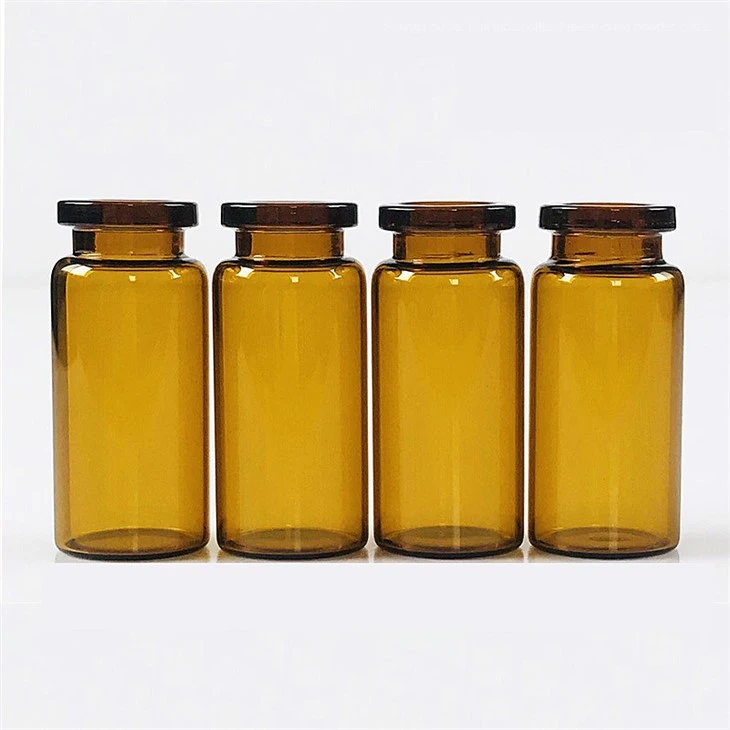
Amber glass has a lower transparency compared to clear glass. It is characterized by its brownish - yellow color, which is due to the presence of iron oxide and other additives during the manufacturing process. The reduced transparency is actually an advantage in many cases, as amber glass provides excellent protection against ultraviolet (UV) and visible light. This makes it the preferred choice for storing light - sensitive substances such as certain medications, vitamins, and essential oils. For example, the 20ml Amber Glass Bottle is widely used in the pharmaceutical industry to protect drugs from light - induced degradation. - Blue Glass Vials
Blue glass vials have a unique aesthetic and functional property. The blue color is achieved by adding cobalt oxide to the glass mixture. While they are less transparent than clear glass, they still offer some visibility of the contents. Blue glass provides a certain level of protection against light, especially in the blue - violet spectrum. It is often used for storing products that are moderately sensitive to light, such as some herbal extracts and homeopathic remedies. You can explore our Blue Glass Bottle options for such applications.
Factors Affecting Transparency
- Thickness of the Glass
The thickness of the glass vial can affect its transparency. Thicker glass will generally reduce the amount of light that passes through, even if it is clear glass. This is because light has to travel through more material, and there is a greater chance of absorption and scattering. In some cases, a thicker glass vial may be used for durability or to provide additional protection to the contents, but it may also slightly reduce the visibility of the product inside. - Surface Finish
The surface finish of the glass vial can also impact transparency. A smooth, polished surface allows light to pass through more easily, resulting in better clarity. On the other hand, a rough or frosted surface will scatter light, reducing transparency. Frosted glass vials are sometimes used for aesthetic reasons or to provide a bit of privacy for the contents, but they do sacrifice some visibility. - Manufacturing Quality
The quality of the manufacturing process plays a crucial role in determining the transparency of glass vials. Imperfections such as air bubbles, inclusions, or uneven thickness can all affect how light passes through the glass. High - quality manufacturing ensures that the glass is uniform in composition and structure, resulting in consistent transparency across all vials in a batch.
Applications Based on Transparency
- Cosmetics Industry
In the cosmetics industry, clear glass vials are highly favored for products like luxury perfumes and high - end skincare serums. The transparency allows consumers to see the beautiful color and texture of the product, which is an important part of the marketing and consumer appeal. For example, a clear glass vial with a Glass Bottle with Aluminum Cap can enhance the overall presentation of a perfume, making it more attractive on the retail shelf. - Pharmaceutical Industry
The pharmaceutical industry has strict requirements regarding the protection of drugs from light. Amber glass vials are widely used for storing light - sensitive medications, as they can prevent the breakdown of active ingredients due to light exposure. However, for some medications that are not as light - sensitive, clear glass vials may be used, especially when visual inspection of the product is necessary during the manufacturing and quality control processes. - Laboratory and Research
In laboratories, both clear and amber glass vials are used depending on the nature of the samples. Clear glass vials are used for samples that need to be visually inspected regularly, while amber glass vials are reserved for light - sensitive chemicals and biological specimens.
Importance of Transparency in Quality Control
Transparency is an important factor in quality control for glass vials. For clear glass vials, any visible defects such as cracks, chips, or impurities can be easily detected during inspection. This ensures that only high - quality vials are used for packaging products. In the case of amber or blue glass vials, although the reduced transparency makes it more difficult to see the contents in detail, it is still possible to check for external defects and ensure that the vial is properly sealed.
Choosing the Right Transparency Level
When choosing the transparency level of glass vials, several factors need to be considered. First and foremost is the nature of the product to be stored. If the product is light - sensitive, then amber or blue glass vials should be selected. If the appearance of the product is a key selling point, clear glass vials may be the better option. Cost is also a factor, as amber and blue glass vials may be slightly more expensive due to the additives used in their production.
In conclusion, the transparency level of glass vials is a critical characteristic that affects their functionality, protection of the contents, and aesthetic appeal. Whether you need a highly transparent clear glass vial for visual inspection or a less transparent amber or blue glass vial for light protection, we have a wide range of options to meet your needs. If you are interested in learning more about our glass vial products or have specific requirements for your packaging needs, please contact us to start a procurement discussion.

References
- "Handbook of Pharmaceutical Glass Packaging" - A comprehensive guide on different types of glass used in the pharmaceutical industry and their properties.
- "Cosmetic Packaging Design and Materials" - A resource that discusses the role of glass vials in cosmetic product presentation and protection.
- "Laboratory Glassware: Selection and Use" - A reference for understanding the use of glass vials in laboratory settings.