

As a seasoned supplier of aluminum plastic caps, I often get asked about the weight of an average aluminum plastic cap. This seemingly simple question is actually quite complex, as the weight can vary significantly based on several factors. In this blog post, I'll delve into the details of what affects the weight of these caps, provide some average weight ranges, and explain why understanding this is important for both manufacturers and end - users.
Factors Affecting the Weight of Aluminum Plastic Caps
1. Size and Dimensions
The most obvious factor influencing the weight of an aluminum plastic cap is its size. Larger caps, such as those used for wide - mouth bottles, will naturally weigh more than smaller caps designed for vials. For example, a Cap for Vials is typically much smaller and lighter compared to an Aluminum Plastic Bottle Cap used for a large beverage bottle. The diameter, height, and wall thickness of the cap all contribute to its overall weight. A cap with a thicker wall will weigh more than one with a thinner wall, even if they have the same external dimensions.
2. Material Composition
Aluminum plastic caps are made from a combination of aluminum and plastic materials. The ratio of aluminum to plastic can vary depending on the specific application and requirements. Aluminum is a relatively lightweight metal, but it is stronger than most plastics. Caps with a higher proportion of aluminum will generally be heavier, but they may also offer better protection and durability. On the other hand, caps with more plastic content may be lighter and more flexible. Additionally, the type of plastic used can also affect the weight. For instance, high - density polyethylene (HDPE) is denser and heavier than low - density polyethylene (LDPE).
3. Design and Functionality
The design of the cap can have a significant impact on its weight. Caps with additional features, such as tamper - evident bands, child - resistant mechanisms, or built - in dispensers, will weigh more than basic caps. These extra components add to the overall mass of the cap. For example, a cap with a tamper - evident band needs to have a certain amount of material to ensure that it functions properly and can be easily removed by the end - user. Similarly, a child - resistant cap may have more complex internal structures, which increase its weight.
Average Weight Ranges
It's difficult to provide a single, definitive weight for an average aluminum plastic cap because of the wide range of factors mentioned above. However, we can look at some general weight ranges based on common applications.
Vial Caps
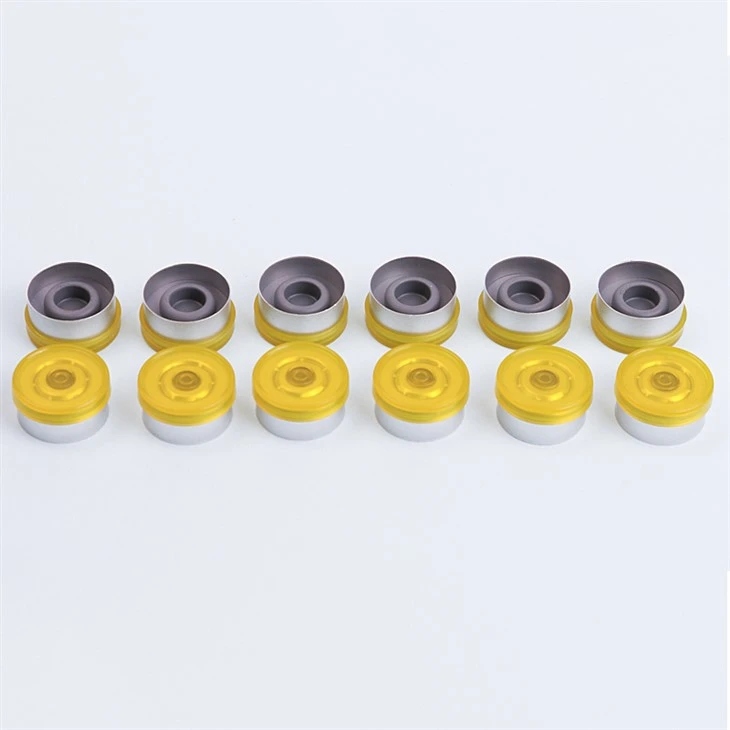
Aluminium Plastic Caps for Glass Vials are typically very small and lightweight. On average, a standard vial cap may weigh between 0.5 grams and 2 grams. These caps are designed to seal small containers used in the pharmaceutical, laboratory, or cosmetic industries. Their small size and relatively thin walls contribute to their low weight.
Small Bottle Caps
Caps for small bottles, such as those used for essential oils, perfume samples, or small condiment bottles, usually weigh between 2 grams and 5 grams. These caps are slightly larger than vial caps and may have a more substantial design to ensure a proper seal.
Medium - sized Bottle Caps
For medium - sized bottles like those used for beverages, sauces, or personal care products, the average weight of an aluminum plastic cap can range from 5 grams to 10 grams. These caps need to be strong enough to withstand the pressure inside the bottle and may have additional features like tamper - evident bands.
Large Bottle Caps
Large bottle caps, such as those used for gallon - sized containers of cleaning products or industrial chemicals, can weigh anywhere from 10 grams to 20 grams or more. These caps are designed to seal large volumes of liquid and often have thick walls and robust construction to prevent leakage.
Importance of Knowing the Weight
For Manufacturers
For manufacturers of aluminum plastic caps, understanding the weight is crucial for several reasons. Firstly, it helps in cost - control. The weight of the cap directly affects the amount of raw materials used, and since aluminum and plastic materials have a cost associated with them, minimizing the weight without sacrificing quality can lead to significant savings. Secondly, weight can impact the manufacturing process. Caps that are too heavy may require more energy to produce, while caps that are too light may not meet the required strength and sealing standards.

For End - Users
End - users also benefit from knowing the weight of aluminum plastic caps. In industries such as pharmaceuticals and food packaging, the weight of the cap can be a factor in determining the overall weight of the product. This is important for shipping and handling purposes, as well as for ensuring that the product meets regulatory requirements. Additionally, the weight of the cap can affect the user experience. A cap that is too heavy may be difficult to open, while a cap that is too light may not provide a secure seal.
Contact for Procurement and Discussion
If you're in the market for aluminum plastic caps and have specific requirements regarding weight, size, or design, I encourage you to reach out to us. We have a wide range of Cap for Vials, Aluminum Plastic Bottle Cap, and Aluminium Plastic Caps for Glass Vials to meet your needs. Our team of experts can work with you to understand your application and provide the best - suited caps at a competitive price. Whether you're a small business or a large corporation, we're here to assist you in your procurement process. Let's start a discussion and find the perfect aluminum plastic caps for your products.
References
- Packaging Machinery Manufacturers Institute (PMMI). "Packaging Materials and Technologies Handbook."
- Plastics Industry Association. "Plastic Materials and Their Properties."
- Aluminum Association. "Aluminum: Properties and Applications."