

Maintaining rubber stoppers is crucial for ensuring their performance, longevity, and the quality of the products they seal. As a reputable rubber stopper supplier, we understand the significance of proper maintenance and are here to share valuable insights on how to achieve this.
Understanding the Importance of Maintenance
Rubber stoppers play a vital role in various industries, including pharmaceuticals, food and beverage, and laboratory research. They provide a secure seal that prevents leakage, contamination, and the entry of external elements. However, over time, rubber stoppers can deteriorate due to factors such as exposure to chemicals, temperature fluctuations, and mechanical stress. Proper maintenance helps to preserve their integrity and functionality, ensuring that they continue to meet the highest standards of quality and safety.
Storage Conditions
One of the key aspects of maintaining rubber stoppers is storing them under appropriate conditions. Rubber is a sensitive material that can be affected by environmental factors such as heat, humidity, light, and oxygen. To prevent premature aging and degradation, it is recommended to store rubber stoppers in a cool, dry, and dark place. The ideal storage temperature should be between 20°C and 25°C (68°F and 77°F), with a relative humidity of 40% to 60%. Avoid storing rubber stoppers near sources of heat, such as radiators or direct sunlight, as this can cause the rubber to become brittle and lose its elasticity.
It is also important to protect rubber stoppers from exposure to chemicals and solvents. Rubber can react with certain chemicals, leading to swelling, softening, or discoloration. When storing rubber stoppers, keep them away from chemicals such as acids, alkalis, oils, and solvents. If possible, store rubber stoppers in a dedicated storage area or container that is designed to prevent contact with chemicals.
Handling and Installation
Proper handling and installation of rubber stoppers are essential for maintaining their performance. When handling rubber stoppers, always wear clean gloves to prevent contamination from dirt, oils, or sweat. Avoid touching the sealing surface of the stopper with bare hands, as this can leave behind residues that may affect the seal.
During installation, make sure that the rubber stopper is clean and free from any debris or contaminants. Inspect the stopper for any signs of damage, such as cracks, tears, or deformities. If a damaged stopper is detected, do not use it and replace it with a new one.
When inserting the rubber stopper into a container, use a gentle and even pressure. Avoid using excessive force, as this can cause the stopper to deform or break. Make sure that the stopper is fully seated and forms a tight seal with the container. If necessary, use a tool or device that is specifically designed for installing rubber stoppers to ensure proper alignment and sealing.
Cleaning and Sanitization
Regular cleaning and sanitization of rubber stoppers are necessary to remove dirt, debris, and microorganisms. The cleaning method will depend on the type of rubber stopper and the application. For general cleaning, a mild detergent or soap solution can be used. Immerse the rubber stoppers in the cleaning solution and gently scrub them with a soft brush or cloth. Rinse the stoppers thoroughly with clean water to remove any traces of detergent.
In some applications, such as pharmaceuticals or food and beverage, rubber stoppers may require more rigorous sanitization. This can be achieved through methods such as autoclaving, gamma irradiation, or chemical sterilization. Autoclaving is a common method that involves subjecting the rubber stoppers to high-pressure steam at a temperature of 121°C (250°F) for a specified period of time. Gamma irradiation uses high-energy gamma rays to kill microorganisms, while chemical sterilization involves the use of chemicals such as ethylene oxide or hydrogen peroxide.
It is important to follow the manufacturer's instructions and guidelines when cleaning and sanitizing rubber stoppers. Improper cleaning or sanitization methods can damage the rubber and affect its performance.
Inspection and Quality Control
Regular inspection of rubber stoppers is essential for detecting any signs of damage or deterioration. Inspect the stoppers visually for cracks, tears, deformities, or discoloration. Check the sealing surface for any signs of wear or damage. If any issues are detected, remove the damaged stoppers from service and replace them with new ones.
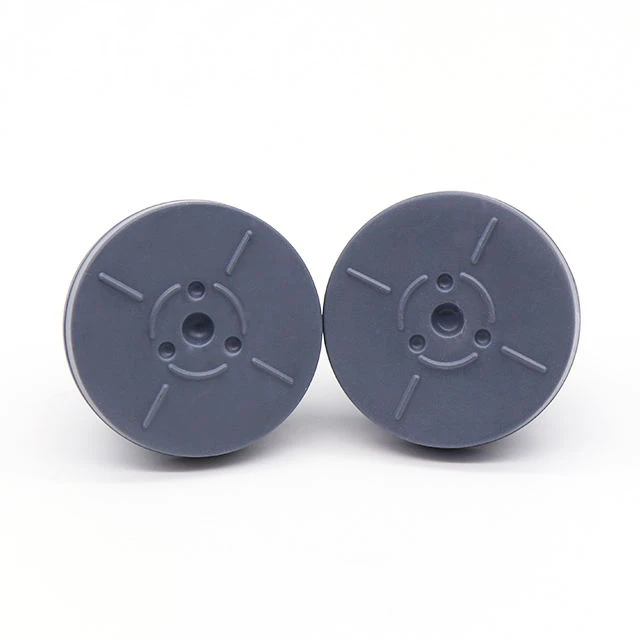
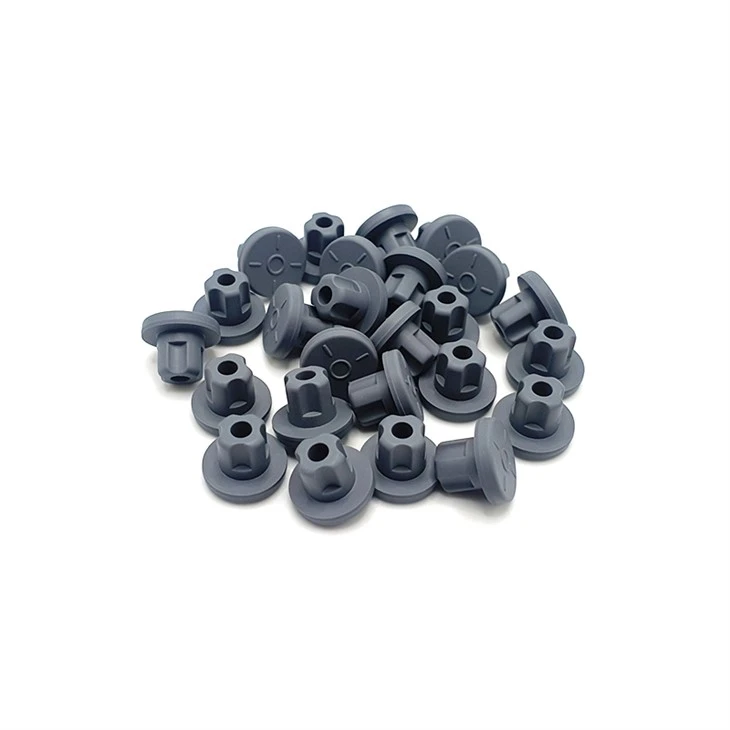
In addition to visual inspection, it is also recommended to perform periodic quality control tests on rubber stoppers. These tests can include measurements of dimensions, hardness, and sealing performance. By conducting regular quality control tests, you can ensure that the rubber stoppers meet the required specifications and standards.
Compatibility with Products
When using rubber stoppers, it is important to ensure their compatibility with the products they are intended to seal. Rubber can interact with certain substances, leading to chemical reactions or leaching of contaminants. Before using a rubber stopper with a specific product, it is recommended to conduct compatibility tests to ensure that there are no adverse effects.
Consider factors such as the chemical composition of the product, the temperature and pressure conditions, and the duration of contact. If necessary, consult with the rubber stopper manufacturer or a materials expert to determine the most suitable rubber material for your application.
Our Product Range
As a leading rubber stopper supplier, we offer a wide range of high-quality rubber stoppers to meet the diverse needs of our customers. Our product range includes 20mm Rubber Stopper for Injection, 32mm Rubber Stopper for Infusion Bottle, and Antibiotic Glass Vial Butyl Rubber Stopper. Our rubber stoppers are made from high-quality materials and are designed to provide a secure and reliable seal.
We are committed to providing our customers with the best products and services. Our team of experts is available to provide technical support and guidance on the selection, installation, and maintenance of rubber stoppers. If you have any questions or need further information, please do not hesitate to contact us. We look forward to discussing your requirements and helping you find the right rubber stopper solutions for your application.
Conclusion
Maintaining rubber stoppers is essential for ensuring their performance, longevity, and the quality of the products they seal. By following the guidelines outlined in this blog post, you can effectively maintain your rubber stoppers and extend their service life. Remember to store rubber stoppers under appropriate conditions, handle and install them properly, clean and sanitize them regularly, conduct inspections and quality control tests, and ensure their compatibility with the products they are intended to seal.
If you are in need of high-quality rubber stoppers or have any questions about rubber stopper maintenance, please contact us. We are here to help you find the best solutions for your needs.
References
- ASTM International. (2021). Standard Terminology Relating to Rubber. ASTM D1566-21.
- ISO 10993-1:2018. Biological evaluation of medical devices — Part 1: Evaluation and testing within a risk management process.
- USP-NF. (2022). United States Pharmacopeia - National Formulary. Rockville, MD: United States Pharmacopeial Convention.