

The weight of a glass vial is a crucial factor that impacts various aspects, from shipping costs to product compatibility. As a dedicated glass vial supplier, understanding the determinants of a glass vial's weight and its significance is vital for our customers.
Factors Affecting the Weight of Glass Vials
The weight of a glass vial can vary significantly based on multiple factors. One of the primary determinants is the volume of the vial. Larger vials naturally require more glass material, leading to increased weight. For instance, a 20ml Medicine Bottle is generally heavier than a 10ml Amber Glass Bottle due to its larger capacity.
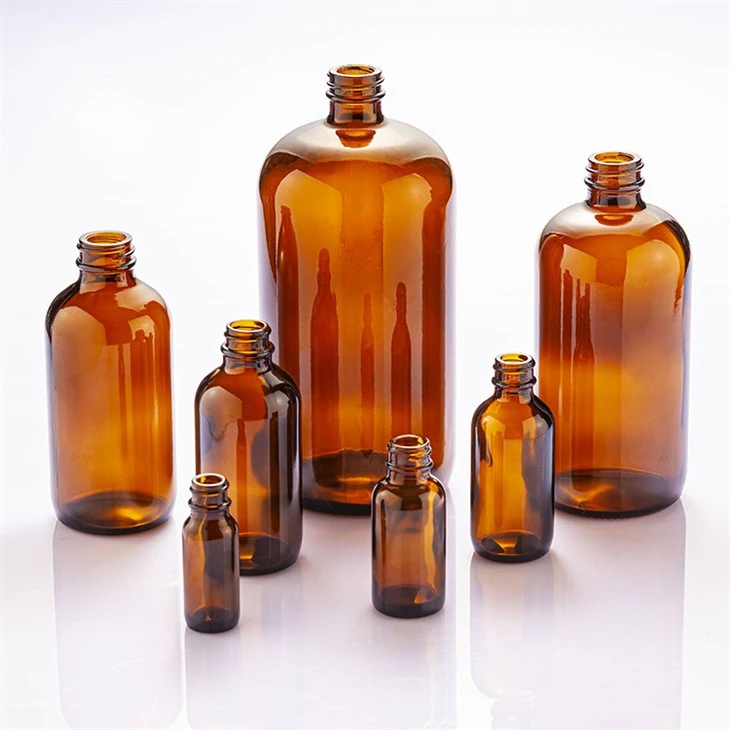
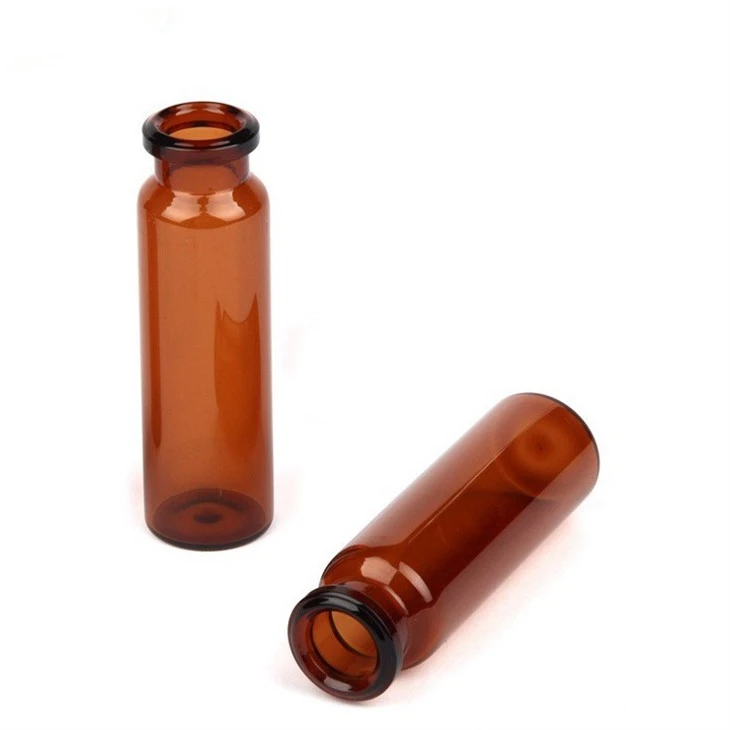
The thickness of the glass also plays a substantial role. Thicker glass provides greater durability and resistance to breakage, but it comes at the cost of additional weight. Vials designed for storing fragile or high - value substances may have thicker walls, which can be several grams heavier than their thinner - walled counterparts.
The type of glass used is another important factor. Different glass compositions have varying densities. For example, borosilicate glass, known for its excellent thermal resistance and chemical durability, is often denser than soda - lime glass. As a result, a vial made of borosilicate glass will typically be heavier than a similar - sized vial made of soda - lime glass.
Why the Weight of Glass Vials Matters
Shipping and Logistics
The weight of glass vials directly influences shipping costs. Heavier vials mean higher freight charges, especially for large - scale orders. In international shipping, where weight - based fees are common, even a small increase in the weight of each vial can lead to significant cost escalations over the course of a year. Moreover, heavier packages may also require more substantial packaging materials to prevent breakage during transit, adding further to the overall cost.
Product Compatibility
The weight of a glass vial can affect its compatibility with certain products. For example, if a vial is too heavy, it may not be suitable for applications where lightweight packaging is a necessity, such as in portable medical devices or aerospace applications. On the other hand, a very light vial may lack the durability required to withstand handling and storage conditions, especially for products that are subject to frequent movement or rough treatment.
Handling and User Experience
The weight of a vial can also impact the user experience. In industries such as cosmetics and pharmaceuticals, where consumers often handle the vials directly, a vial that is too heavy may be cumbersome and difficult to use. Conversely, an extremely light vial may give the impression of being flimsy or of low quality. Striking the right balance in weight is essential to ensure a positive user experience.
Typical Weights of Different Glass Vials
Let's take a closer look at the typical weights of some common glass vials. A 10ml Amber Glass Bottle, which is commonly used in the pharmaceutical industry for storing light - sensitive medications, usually weighs between 15 - 25 grams, depending on the glass thickness and type. A 20ml Medicine Bottle can weigh anywhere from 25 - 40 grams.
Clear glass vials, such as those found in the Clear Glass Bottle category, which are popular in the fragrance and laboratory sectors, have similar weight ranges. However, if they are made of high - quality, thick - walled glass for more demanding applications, they may be on the heavier end of the scale.
Measuring the Weight of Glass Vials
Accurately measuring the weight of glass vials is crucial for quality control and order fulfillment. Our company uses precision weighing scales capable of measuring weights with high accuracy, typically to within a few milligrams. Before weighing, the vials are thoroughly cleaned and dried to remove any debris or moisture that could affect the measurement.
We also conduct regular quality checks on our weighing equipment to ensure that it remains calibrated and accurate. This attention to detail ensures that our customers receive glass vials that meet the specified weight requirements, which is especially important for industries where strict regulations govern packaging weights.
Choosing the Right Weight for Your Needs
When selecting glass vials, it's essential to consider your specific requirements. If cost - effectiveness in shipping is your primary concern, you may opt for lighter vials, perhaps with thinner walls or made of less dense glass. However, if durability and protection of the contents are paramount, thicker and heavier vials may be the better choice.
Our team of experts is always available to assist you in making the right decision. We can provide detailed information on the weight and other properties of our various glass vials, and help you select the most suitable option based on your product, budget, and shipping requirements.
Contact Us for Your Glass Vial Needs
If you're in the market for high - quality glass vials, we invite you to reach out to us. Whether you need small - batch samples for testing or large - scale production orders, we can provide you with the right glass vials at competitive prices. Our commitment to quality, reliability, and customer service is unparalleled in the industry. Let's start a conversation about your glass vial requirements and work together to find the perfect solution for your business.
References
- ASTM International. (Year). Standard specifications for glass containers for pharmaceutical use.
- Glass Packaging Institute. (Year). Technical guidelines for glass packaging design and manufacturing.
- Pharmaceutical Research and Manufacturers of America. (Year). Best practices for pharmaceutical packaging.