

Hey there! I'm a supplier of pharmaceutical caps, and you know what? Lately, I've been getting a ton of questions about whether pharmaceutical caps can be recycled. It's a hot topic, and I totally get why. With everyone being more environmentally conscious these days, folks want to know if they can do their bit to reduce waste and protect our planet. So, let's dive right into it and find out if those little caps you find on your medicine bottles can be given a second life.
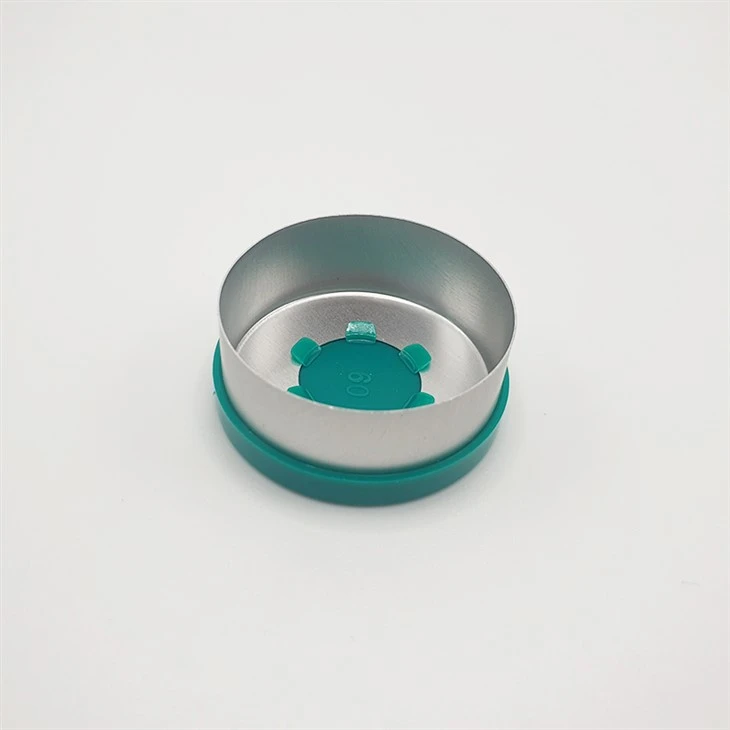
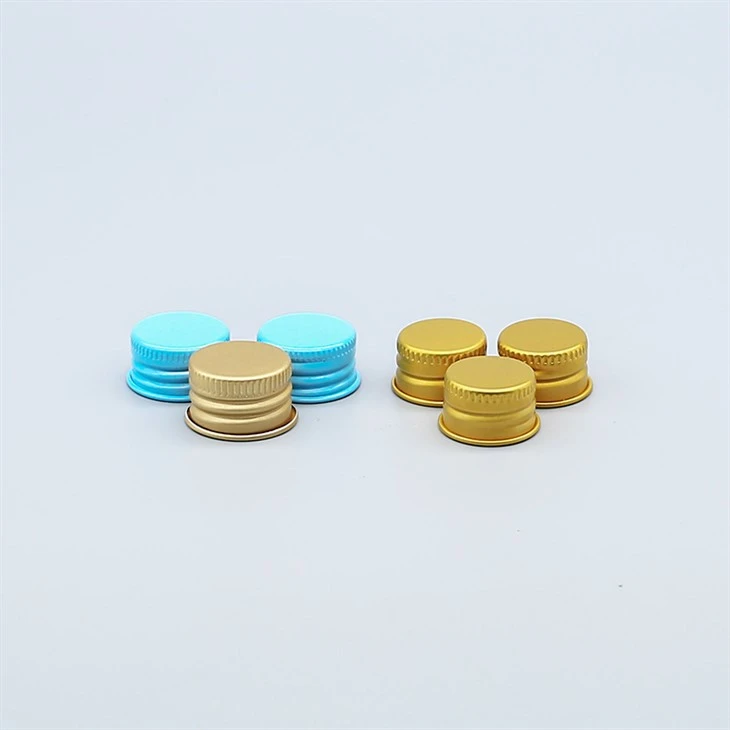
First off, it's important to understand what pharmaceutical caps are typically made of. Most of the time, you'll find two main types: plastic and aluminum. Plastic caps are super common because they're cheap, lightweight, and easy to manufacture. On the other hand, aluminum caps are often used for products that need extra protection from air and moisture. They're also great for tamper-evident seals, which is a big deal when it comes to medicine safety.
Now, let's talk about recycling plastic caps. In general, plastic can be recycled, but it's not always that simple. Different types of plastic have different recycling codes, and not all recycling facilities can handle every type. For example, some plastic caps are made from high-density polyethylene (HDPE), which is one of the most commonly recycled plastics. It's sturdy and can be turned into all sorts of new products, like plastic lumber, buckets, and even new bottles. Other caps might be made from polypropylene (PP), which is also recyclable and is often used to make items like automotive parts and furniture.
However, the problem with plastic pharmaceutical caps is that they're often too small to be captured by standard recycling sorting machines. These machines are designed to handle larger items, and small caps can easily slip through the cracks and end up in landfills or the environment. That's why it's important to check with your local recycling facility to see if they accept small plastic caps. Some places have special programs for collecting and recycling these tiny items, so it's worth doing a little research.
As for aluminum caps, the good news is that aluminum is one of the most recyclable materials on the planet. It can be recycled over and over again without losing its quality, and the process uses a lot less energy than making new aluminum from raw materials. Recycling aluminum caps helps to conserve natural resources and reduce the environmental impact of producing new aluminum. Plus, aluminum is valuable, so recycling facilities are usually happy to accept it.
But here's the thing: aluminum pharmaceutical caps are often lined with plastic or other materials to ensure a tight seal. This can make the recycling process a bit more complicated because the different materials need to be separated before they can be recycled. Some recycling facilities have the technology to do this, but others might not. Again, it's a good idea to check with your local recycler to see if they can handle aluminum caps with plastic linings.
So, can pharmaceutical caps be recycled? The answer is yes, but it depends on a few factors. The type of material the cap is made of, the size of the cap, and the capabilities of your local recycling facility all play a role. If you're not sure whether your caps can be recycled, the best thing to do is to contact your local waste management department or recycling center for guidance.
At our company, we're always looking for ways to make our products more sustainable. That's why we offer a range of eco-friendly pharmaceutical caps, including 32mm Aluminum Plastic Flip Caps, Aluminium Screw Cap for Glass Bottle, and Aluminum Plastic Bottle Cap. These caps are designed to be both functional and environmentally friendly, and we're committed to making sure that they can be recycled whenever possible.
If you're in the market for pharmaceutical caps and you're interested in learning more about our sustainable options, we'd love to hear from you. Whether you're a pharmaceutical company, a packaging supplier, or just someone who cares about the environment, we're here to help you find the right caps for your needs.
To sum it up, recycling pharmaceutical caps is definitely possible, but it's not always straightforward. By being aware of the different materials and the recycling options available in your area, you can do your part to reduce waste and protect the planet. And if you're looking for high-quality, sustainable pharmaceutical caps, don't hesitate to reach out. We're ready to start a conversation and help you make a positive impact on the environment.
References
- American Chemistry Council. (n.d.). Recycling Basics. Retrieved from https://www.americanchemistry.com/Plastics/Plastics-Recycling/Recycling-Basics
- Environmental Protection Agency. (n.d.). Recycling Household Items. Retrieved from https://www.epa.gov/recycle/recycling-household-items