

As a supplier of 10ml glass bottles, I often get asked about the thickness of the glass used in these bottles. This is a crucial aspect, as it affects not only the bottle's durability but also its overall functionality. In this blog post, I'll delve into the factors that determine the glass thickness of a 10ml glass bottle, the typical thickness ranges, and why it matters.
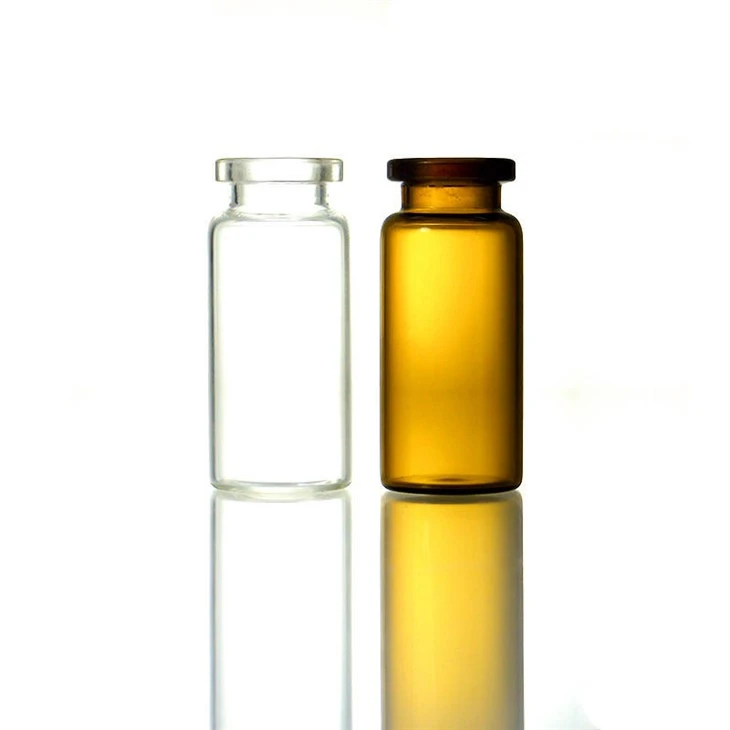
Factors Influencing Glass Thickness
The thickness of the glass in a 10ml glass bottle is influenced by several key factors. First and foremost is the intended use of the bottle. If the bottle is designed for storing liquids that are under pressure, such as certain medications or perfumes, a thicker glass will be required to withstand the internal forces. This is because the pressure exerted by the liquid can cause the bottle to crack or break if the glass is too thin.
Another factor is the type of glass used. Different types of glass have different physical properties, including strength and resistance to breakage. For example, borosilicate glass is known for its high thermal resistance and durability, making it a popular choice for laboratory and pharmaceutical applications. Bottles made from borosilicate glass can often have a thinner wall thickness compared to those made from soda-lime glass while still maintaining the same level of strength.
The manufacturing process also plays a significant role in determining the glass thickness. There are various methods for producing glass bottles, such as blow molding and pressing. Each method has its own limitations and capabilities when it comes to achieving a specific glass thickness. For instance, blow molding is a common technique for making small glass bottles like the 10ml ones. This process involves blowing air into a molten glass blob to shape it into a bottle. The thickness of the glass can be controlled to some extent during the blowing process, but it also depends on the skill of the operator and the equipment used.
Typical Thickness Ranges
The typical thickness of the glass in a 10ml glass bottle can vary depending on the factors mentioned above. Generally, the wall thickness of a standard 10ml glass bottle made from soda-lime glass ranges from 0.8mm to 1.2mm. This thickness provides a good balance between durability and cost-effectiveness. For bottles that require higher strength, such as those used for storing pressurized liquids, the wall thickness can be increased to 1.5mm or more.
Borosilicate glass bottles, on the other hand, can have a thinner wall thickness due to their superior strength properties. A 10ml borosilicate glass bottle may have a wall thickness of around 0.6mm to 1.0mm. This thinner glass not only reduces the weight of the bottle but also allows for better heat transfer, which can be beneficial in certain applications.
It's important to note that these are just general guidelines, and the actual thickness of a 10ml glass bottle can vary depending on the specific requirements of the customer. For example, some customers may prefer a thicker glass for added protection, while others may prioritize a thinner glass for aesthetic or cost reasons.
Why Glass Thickness Matters
The thickness of the glass in a 10ml glass bottle matters for several reasons. Firstly, it affects the bottle's durability. A thicker glass is more resistant to breakage, which is especially important if the bottle will be handled frequently or transported over long distances. This can help reduce the risk of product loss and damage during shipping and storage.
Secondly, glass thickness can impact the bottle's ability to protect its contents. A thicker glass provides better insulation and protection against external factors such as light, heat, and moisture. This is particularly important for products that are sensitive to these elements, such as certain medications and essential oils. By using a bottle with the appropriate glass thickness, you can ensure that your product remains stable and effective for a longer period of time.
In addition, the thickness of the glass can also affect the bottle's appearance. A thicker glass can give the bottle a more substantial and high-quality look, which can be appealing to customers. On the other hand, a thinner glass can create a more delicate and elegant appearance, which may be preferred for certain types of products.
Our Offerings
At our company, we offer a wide range of 10ml glass bottles with different glass thicknesses to meet the diverse needs of our customers. Whether you're looking for a standard soda-lime glass bottle or a high-quality borosilicate glass bottle, we have the perfect solution for you.
Our 10ml Medicine Bottle is designed specifically for pharmaceutical applications. It features a thick glass wall to ensure maximum protection for the medication inside. The bottle is also available in different shapes and sizes to accommodate various types of medications.
If you're looking for a more stylish option, our Blue Glass Bottle is a great choice. The blue glass not only adds a touch of elegance but also provides excellent protection against UV light. This makes it ideal for storing essential oils, perfumes, and other light-sensitive products.
Of course, our main product is the 10ml Glass Bottle. We offer this bottle in a variety of glass thicknesses, allowing you to choose the one that best suits your needs. Whether you need a thick glass for added durability or a thin glass for a more delicate look, we can provide it.
Contact Us for Procurement
If you're interested in purchasing our 10ml glass bottles, we'd love to hear from you. Our team of experts can help you choose the right glass thickness and bottle design for your specific requirements. We also offer competitive pricing and excellent customer service to ensure that your experience with us is a positive one.
Don't hesitate to reach out to us to start the procurement process. We're committed to providing you with the highest quality products and the best possible service. Let's work together to find the perfect 10ml glass bottle solution for your business.

References
- "Glass Packaging: Properties and Benefits" by the Glass Packaging Institute
- "Handbook of Glass Manufacture" by P. W. McMillan
- "Borosilicate Glass: Properties and Applications" by the American Ceramic Society