

Hey there! As a supplier of gray rubber stoppers, I often get asked about safety precautions when using these handy little things. So, I thought I'd put together this blog to share some important info on the topic.
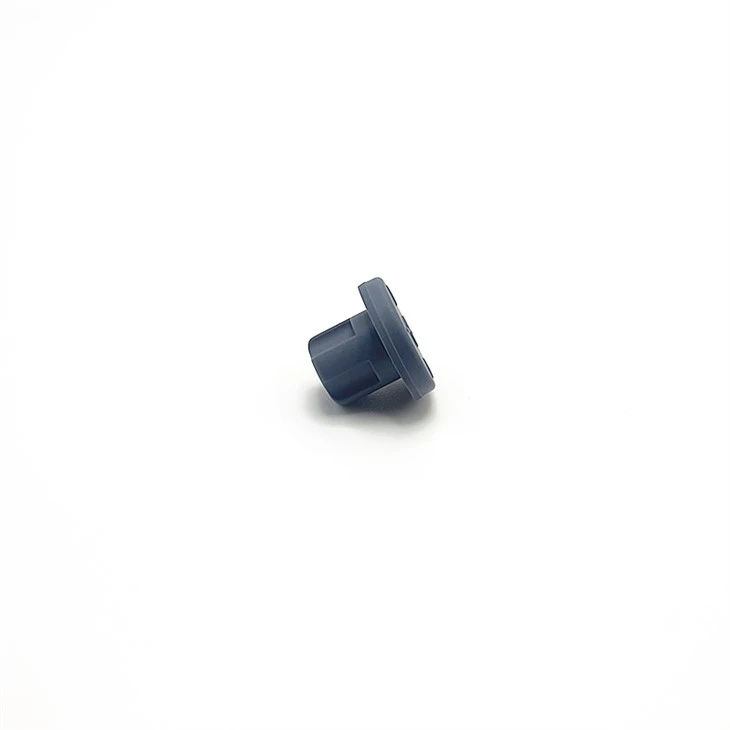
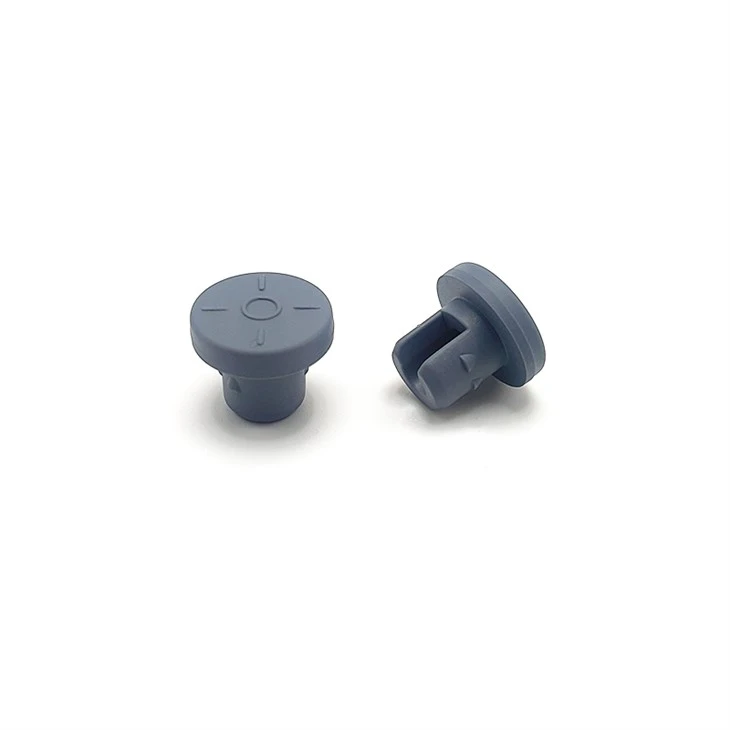
First off, let's talk about what gray rubber stoppers are used for. These stoppers are super versatile and can be found in a bunch of different industries. In the lab, they're used to seal test tubes, flasks, and vials to keep substances inside and prevent any leaks or contamination. You can check out our Rubber Stoppers Plug for more options. In the medical field, they're used in things like Infusion Rubber Stopper and Vial Rubber Stopper 13 mm to ensure the integrity of medications and other medical fluids.
Now, let's dive into the safety precautions.
Compatibility Checks
One of the most crucial safety steps is to make sure the gray rubber stopper is compatible with the substance it's going to be in contact with. Different chemicals can react with rubber in various ways. Some might cause the rubber to swell, break down, or release harmful substances into the solution. For example, strong acids or bases can be pretty harsh on rubber. Before using a stopper, it's a good idea to do a small compatibility test. You can take a small piece of the rubber and expose it to a small amount of the substance for a short period. If there are any signs of discoloration, softening, or other changes, then that rubber stopper might not be suitable.
Storage Conditions
How you store your gray rubber stoppers matters a lot. Rubber can degrade over time, especially if it's exposed to the wrong conditions. You should keep them in a cool, dry place away from direct sunlight. High temperatures can cause the rubber to become brittle and lose its elasticity, while humidity can lead to mold growth or other forms of deterioration. Also, make sure to store them away from any chemicals or solvents that could potentially react with the rubber.
Handling and Installation
When handling gray rubber stoppers, always use clean hands or appropriate gloves. This helps prevent any contamination of the stopper and the contents it will seal. When installing the stopper, be gentle but firm. Don't force it into place if it doesn't fit properly, as this can cause the rubber to tear or deform. A damaged stopper won't provide a proper seal, which can lead to leaks and other safety issues.
Inspection Before Use
Before using a gray rubber stopper, give it a good inspection. Look for any signs of damage, such as cracks, tears, or holes. Even a small imperfection can compromise the seal and lead to problems. If you notice any damage, don't use the stopper. Instead, replace it with a new one to ensure the safety and effectiveness of your application.
Regular Replacement
Rubber stoppers have a limited lifespan. Over time, they can wear out, lose their elasticity, and become less effective at sealing. Depending on the frequency of use and the conditions they're exposed to, you should have a regular replacement schedule. For example, in a high - usage laboratory setting, stoppers might need to be replaced every few months.
Disposal
When it's time to get rid of a gray rubber stopper, make sure to dispose of it properly. If the stopper has been in contact with hazardous substances, follow the appropriate hazardous waste disposal procedures. In other cases, you can usually dispose of it as regular solid waste, but it's always a good idea to check your local regulations.
Training
If you're working in a professional setting where gray rubber stoppers are used, it's important to have proper training. Everyone who handles these stoppers should know about the safety precautions we've discussed. This includes how to handle, install, inspect, and dispose of them correctly. Training can help prevent accidents and ensure that the stoppers are used safely and effectively.
Monitoring
Once the gray rubber stopper is in place, it's a good idea to monitor it regularly. Check for any signs of leakage, changes in the appearance of the stopper, or any other issues. If you notice anything unusual, take action right away. This could mean replacing the stopper or investigating the cause of the problem.
In conclusion, using gray rubber stoppers safely requires a combination of careful handling, proper storage, and regular inspection. By following these safety precautions, you can ensure that your applications are secure and that you're getting the most out of your rubber stoppers.
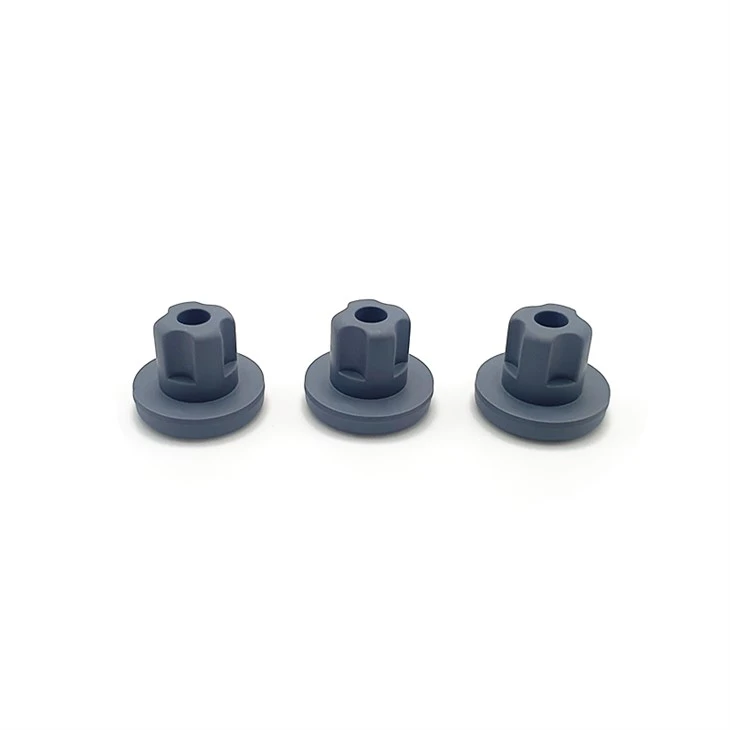
If you're in the market for high - quality gray rubber stoppers, we're here to help. Whether you need them for a lab, medical, or other industrial applications, we've got a wide range of options to choose from. Don't hesitate to reach out to us for more information or to start a procurement discussion. We're always happy to work with you to find the best solutions for your needs.
References
- ASTM International. (Year). Standard test methods for rubber products.
- ISO Standards. (Year). International standards for rubber materials and products.