

As a reputable penicillin bottle supplier, I often engage in in - depth discussions about the various properties of our glass products with potential clients. One question that has come up more frequently than expected is about the surface tension of a penicillin bottle's glass. In this blog, I'll attempt to shed some light on this topic, discussing what surface tension is, what factors affect the surface tension of the glass used in our penicillin bottles, and why it matters in the context of our products.
Understanding Surface Tension
Surface tension is a physical property of liquids and solids that arises due to the cohesive forces between molecules. In simple terms, it is the tendency of the surface of a liquid or solid to contract to the smallest possible area. For a liquid, this is what causes droplets to form into spheres, as a sphere has the minimum surface area for a given volume. In solids like glass, surface tension is related to the energy required to create a new surface.
The surface tension of glass is a result of the strong chemical bonds between the silicon, oxygen, and other elements that make up the glass structure. These bonds create a kind of "skin" on the surface of the glass, which resists deformation and has a certain amount of elasticity.
Factors Affecting the Surface Tension of Penicillin Bottle Glass
Chemical Composition
The chemical composition of the glass is one of the most significant factors influencing its surface tension. Our penicillin bottles are typically made from borosilicate glass, which is known for its excellent chemical resistance and thermal stability. Borosilicate glass contains boron trioxide in addition to silica, sodium oxide, and other components. The presence of boron trioxide can modify the surface tension of the glass by altering the strength of the chemical bonds at the surface.
For example, a higher concentration of boron trioxide can lead to a decrease in surface tension. This is because boron atoms can disrupt the regular network of silicon - oxygen bonds, reducing the cohesive forces at the surface. On the other hand, increasing the proportion of silica can increase the surface tension, as silica forms strong covalent bonds that hold the surface together tightly.
Temperature
Temperature also plays a crucial role in determining the surface tension of glass. As the temperature increases, the kinetic energy of the molecules in the glass increases. This causes the molecules to move more freely, weakening the cohesive forces between them. As a result, the surface tension of the glass decreases with increasing temperature.
In the manufacturing process of our penicillin bottles, temperature control is essential. During the forming process, the glass is heated to a high temperature to make it malleable. As the glass cools, the surface tension gradually increases, helping the bottle to maintain its shape and integrity. If the cooling process is not properly controlled, it can lead to variations in surface tension, which may cause defects in the final product.
Surface Treatment
Surface treatments can have a profound impact on the surface tension of penicillin bottle glass. For instance, we may apply a thin coating to the surface of the glass to improve its chemical resistance or to make it more suitable for specific applications. Some coatings can increase the surface tension of the glass, while others can decrease it.

A hydrophobic coating, which repels water, can increase the surface tension by making the surface less likely to interact with water molecules. On the other hand, a hydrophilic coating, which attracts water, can decrease the surface tension by allowing water to spread more easily across the surface.
Why Surface Tension Matters for Penicillin Bottles
Product Integrity
The surface tension of the glass is crucial for maintaining the integrity of the penicillin bottles. A proper surface tension ensures that the glass has enough strength to withstand the pressures and stresses during filling, storage, and transportation. If the surface tension is too low, the glass may be more prone to cracking or breaking. On the other hand, if the surface tension is too high, it may cause internal stresses in the glass, which can also lead to long - term durability issues.
Compatibility with Medications
The surface tension of the glass can also affect its compatibility with the medications stored inside the penicillin bottles. Some medications may interact with the glass surface, and the surface tension can influence the nature and extent of these interactions. For example, if the surface tension is too high, the medication may have difficulty wetting the surface of the glass, which can lead to uneven distribution or incomplete filling. On the other hand, a low surface tension may allow the medication to spread more easily, but it may also increase the risk of the medication adhering to the surface and being difficult to remove during use.
Our Penicillin Bottle Offerings
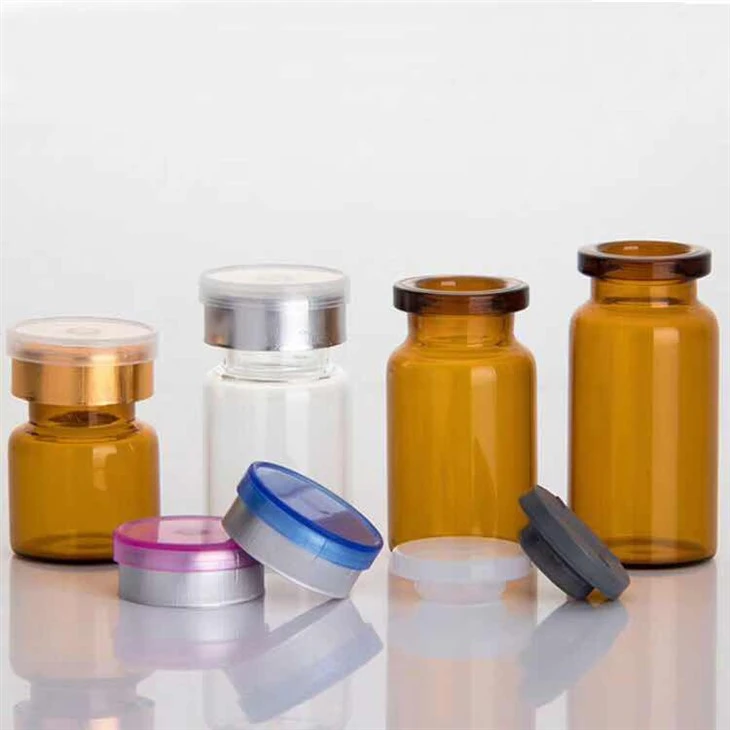
We take pride in offering a wide range of penicillin bottles to meet the diverse needs of our clients. Our Amber Medicine Glass Bottle is a popular choice for medications that are sensitive to light. The amber glass provides excellent protection against ultraviolet rays, which can degrade the quality of the medication. Our Blue Glass Bottle is also available for different aesthetic and functional requirements. Additionally, we offer Small Glass Bottle options for applications that require smaller volumes.
All of our penicillin bottles are manufactured with strict quality control measures to ensure consistent surface tension and other important properties. We use advanced manufacturing techniques and state - of - the - art equipment to produce high - quality glass bottles that meet or exceed industry standards.
Contact Us for Purchase and Discussion
If you are in the market for penicillin bottles or have any questions about the surface tension or other properties of our glass products, we encourage you to reach out to us. We have a team of experts who are ready to assist you with any inquiries and provide you with detailed information about our products and manufacturing process. Whether you are looking for a standard or custom - designed penicillin bottle, we can work with you to meet your specific requirements.
References
- Adamson, A. W., & Gast, A. P. (1997). Physical chemistry of surfaces. Wiley.
- Doremus, R. H. (1994). Glass science. Wiley - Interscience.
- Lewis, M. H. (1996). Glass, ceramic, and metal joining. American Ceramic Society.