

Can 1 ml Vials be Used for Storing Peptides?
Peptides have emerged as crucial molecules in various scientific and medical fields. Their unique properties and functions make them valuable in areas such as drug development, biotechnology, and research. As a 1 ml vials supplier, I often receive inquiries about the suitability of our 1 ml vials for peptide storage. In this blog post, I will explore whether 1 ml vials can indeed be used for storing peptides and discuss the key factors to consider.
Understanding Peptides
Peptides are short chains of amino acids linked together by peptide bonds. They play essential roles in many biological processes, including cell signaling, immune response, and hormone regulation. Due to their biological activity, peptides are often used in pharmaceutical formulations, diagnostic tests, and research studies.
However, peptides are also vulnerable to degradation during storage. Factors such as temperature, pH, light, and the presence of oxygen can all affect their stability. Therefore, proper storage conditions are crucial to maintain the integrity and activity of peptides over time.
Why Consider 1 ml Vials for Peptide Storage?
Size and Convenience
One of the primary advantages of using 1 ml vials for peptide storage is their size. The small volume makes them ideal for storing small quantities of peptides, which is often the case in research laboratories and pharmaceutical development. They are also convenient for handling and transportation, allowing for easy storage in freezers or refrigerators.
Compatibility
1 ml vials are typically made of glass or plastic, both of which can be compatible with peptide solutions. Glass vials, in particular, are known for their chemical resistance and inertness, making them suitable for storing a wide range of peptides. They can also provide a good barrier against oxygen and moisture, which helps to protect the peptides from degradation.
Customization
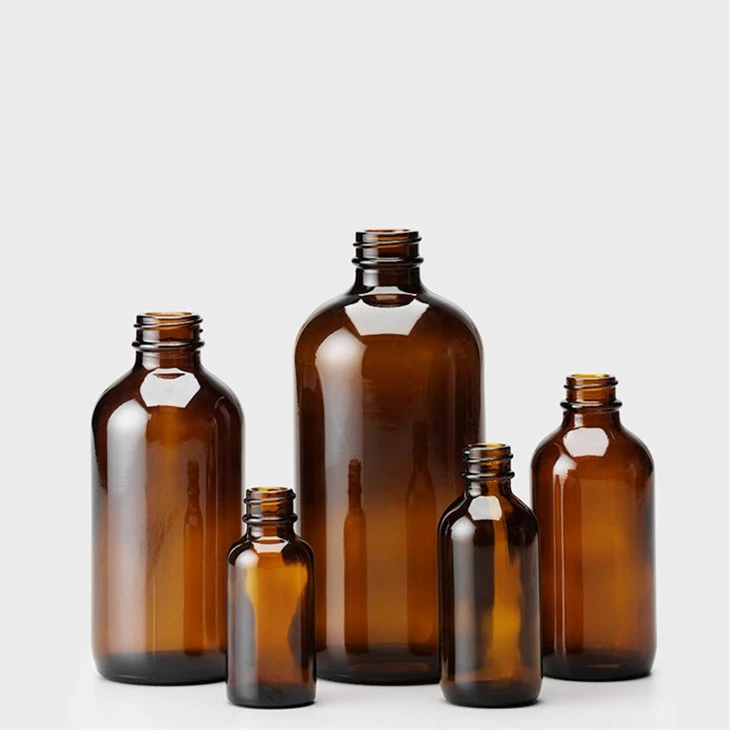
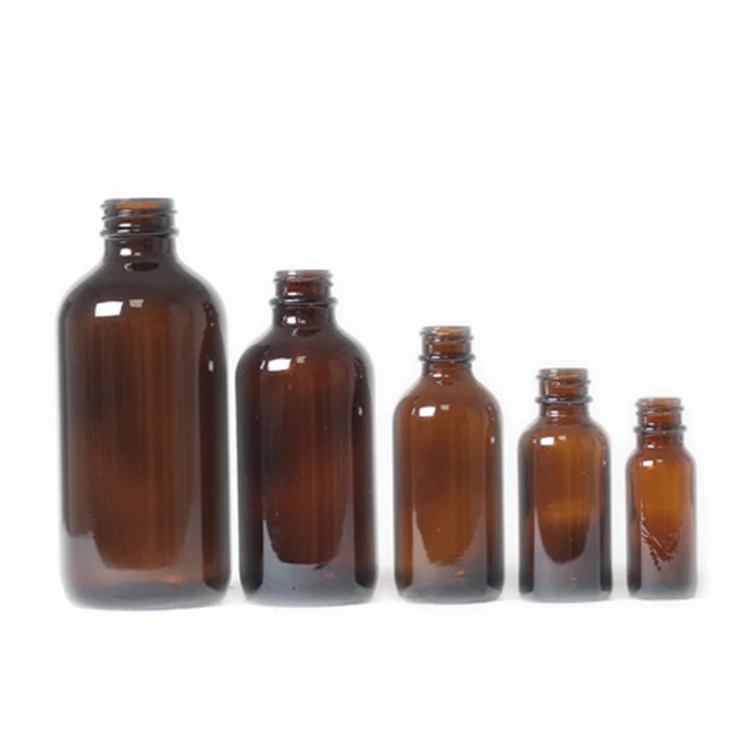
As a 1 ml vials supplier, we offer a variety of vial options, including different closures and colors. This allows for customization based on the specific requirements of peptide storage. For example, amber glass vials can be used to protect light-sensitive peptides, while screw caps or rubber stoppers can provide a secure seal to prevent leakage and contamination.
Factors to Consider When Using 1 ml Vials for Peptide Storage
Material Compatibility
While glass and plastic are generally suitable for peptide storage, it is important to ensure that the vial material is compatible with the specific peptide being stored. Some peptides may interact with certain plastics or glass additives, leading to degradation or contamination. Therefore, it is recommended to perform compatibility tests before storing peptides in new vial materials.
Storage Conditions
Proper storage conditions are essential for maintaining the stability of peptides. The optimal storage temperature for peptides can vary depending on their properties, but it is generally recommended to store them at low temperatures, such as -20°C or -80°C, to minimize degradation. Additionally, peptides should be stored in a dry and dark environment to protect them from moisture and light.
Closure Integrity
The closure of the 1 ml vial plays a crucial role in protecting the peptides from contamination and oxidation. A secure and well-fitting closure is necessary to prevent the entry of air, moisture, and other contaminants. It is important to choose closures that are compatible with the vial material and provide a reliable seal.
Sterility
In some cases, peptides may need to be stored under sterile conditions, especially for applications in pharmaceutical manufacturing or clinical research. If sterility is required, it is important to choose vials that are available in sterile packaging or can be easily sterilized before use.
Alternative Storage Options
While 1 ml vials can be a suitable option for peptide storage, there are also other alternatives available. For example, larger vials such as 10ml Glass Bottle, 60 Ml Glass Bottles, or 20ml Amber Glass Bottle may be preferred for storing larger quantities of peptides. These vials can provide more space and may be more cost-effective for bulk storage.
Additionally, some laboratories may choose to use specialized storage containers, such as peptide repositories or custom-made storage systems, to ensure the long-term stability and security of their peptide samples.
Conclusion
In conclusion, 1 ml vials can be a viable option for storing peptides, offering size convenience, compatibility, and customization options. However, it is important to consider several factors, such as material compatibility, storage conditions, closure integrity, and sterility, to ensure the optimal storage of peptides.
If you are in need of high-quality 1 ml vials for peptide storage, we are here to help. As a professional 1 ml vials supplier, we can provide you with a wide range of vial options to meet your specific requirements. Please feel free to contact us to discuss your peptide storage needs and explore our products further. We look forward to the opportunity to work with you and support your research and development efforts.
References
- Smith, J. K., & Johnson, M. R. (2018). Peptide stability and storage considerations. Journal of Peptide Science, 24(12), e3043.
- Peptide Handbook: A Quick Reference Guide to Peptide Synthesis, Purification, and Characterization. (2020). MilliporeSigma.
- Brown, T. A. (2016). Introduction to peptides. In Peptide and Protein Drug Analysis (pp. 1-12). Elsevier.