

Penicillin bottles, also known as small medicine vials, play a crucial role in the pharmaceutical industry. As a penicillin bottle supplier, ensuring high - quality manufacturing is not only a responsibility but also a key factor in maintaining a good reputation in the market. In this blog, I will delve into the manufacturing quality control of penicillin bottles, sharing insights from my experience in the field.
Raw Material Selection
The first step in the manufacturing quality control of penicillin bottles is the careful selection of raw materials. High - quality glass is the primary material for penicillin bottles. The glass must have excellent chemical stability to prevent any interaction with the drugs stored inside. It should also have good thermal resistance, as penicillin bottles may undergo various temperature - related processes during drug filling, sterilization, and storage.
We source our glass from reliable suppliers who adhere to strict quality standards. Before using any batch of glass, we conduct a series of tests. For example, we test the chemical composition of the glass to ensure it meets the requirements for pharmaceutical packaging. We also check the physical properties such as density, hardness, and thermal expansion coefficient. These tests help us to identify any potential issues with the raw materials and ensure that only the best - quality glass is used in the production of penicillin bottles.
Manufacturing Process Control
Molding
The molding process is a critical stage in penicillin bottle manufacturing. There are different molding methods, such as blow - molding and press - molding. During the molding process, we closely monitor several parameters. The temperature of the glass during molding is crucial. If the temperature is too high, the glass may become too soft, leading to uneven wall thickness in the bottles. On the other hand, if the temperature is too low, the glass may not be malleable enough, resulting in cracks or other defects.
We use advanced temperature sensors and control systems to maintain the optimal temperature throughout the molding process. Additionally, the pressure applied during molding is also carefully regulated. Incorrect pressure can cause the bottles to have irregular shapes or weak spots, which can compromise their integrity.
Annealing
After molding, the penicillin bottles need to undergo an annealing process. Annealing helps to relieve internal stresses in the glass, making the bottles more resistant to breakage. The annealing process involves heating the bottles to a specific temperature and then slowly cooling them down at a controlled rate.
We have a dedicated annealing furnace with precise temperature and cooling rate control. We regularly calibrate the furnace to ensure accurate temperature settings. Any deviation from the optimal annealing conditions can lead to residual stresses in the bottles, which may cause them to break during handling or storage.
Inspection during Manufacturing
Throughout the manufacturing process, we conduct in - line inspections. We use automated inspection systems that can detect various defects, such as cracks, chips, and uneven wall thickness. These systems use high - resolution cameras and advanced image - processing algorithms to quickly and accurately identify any defective bottles.
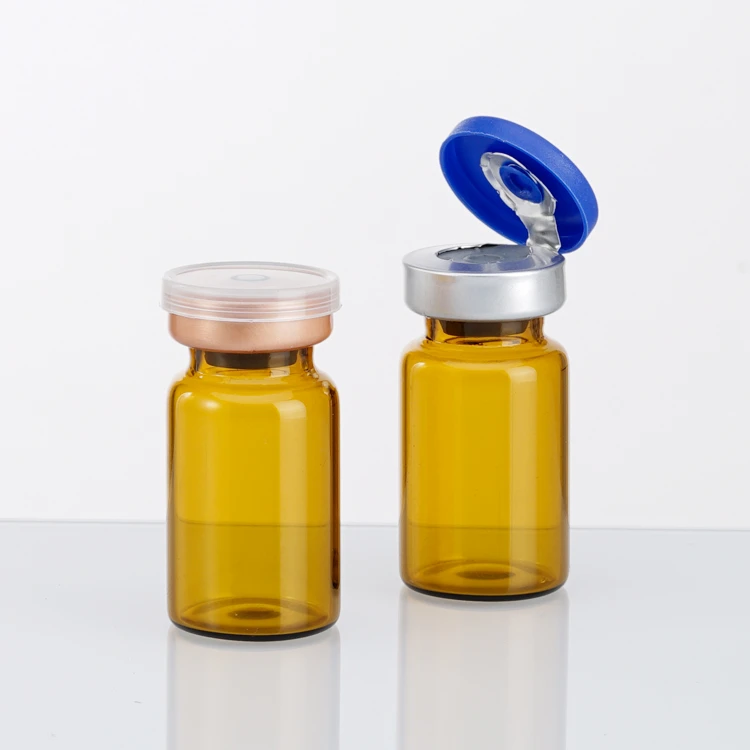

In addition to automated inspections, our quality control staff also perform manual inspections at regular intervals. Manual inspections allow for a more detailed examination of the bottles, especially for subtle defects that may not be easily detected by machines. For example, they can check the finish of the bottle opening, which is important for ensuring a proper seal when the bottle is capped.
Post - manufacturing Quality Assurance
Visual Inspection
Once the penicillin bottles are manufactured, they go through a comprehensive visual inspection. Our inspectors carefully examine each bottle under specific lighting conditions to detect any visible defects. They check for scratches, bubbles, and other cosmetic imperfections that may affect the appearance or functionality of the bottles.
Dimensional Inspection
Accurate dimensions are essential for penicillin bottles. We use precision measuring tools to check the height, diameter, and wall thickness of the bottles. The dimensions must be within the specified tolerance range to ensure compatibility with filling equipment and closures. Any bottles that do not meet the dimensional requirements are rejected.
Leak Testing
Leak testing is a crucial step in ensuring the quality of penicillin bottles. A leaky bottle can allow contaminants to enter, which can compromise the sterility and efficacy of the drugs stored inside. We use different methods for leak testing, such as the dye - ingress test and the pressure - decay test.
In the dye - ingress test, the bottles are submerged in a dye solution under specific pressure conditions. If there are any leaks in the bottles, the dye will enter the bottle, indicating a defect. The pressure - decay test measures the change in pressure inside the bottle over time. A significant pressure drop indicates a leak.
Packaging and Storage
Proper packaging and storage are also important aspects of quality control. We package the penicillin bottles in clean, protective materials to prevent damage during transportation. The packaging materials are designed to provide cushioning and protect the bottles from dust and moisture.
We store the packaged bottles in a controlled environment. The storage area is kept at a stable temperature and humidity level to prevent any degradation of the bottles. Regular inventory checks are conducted to ensure that the bottles are stored properly and that there are no signs of damage or deterioration.
Meeting Industry Standards
As a penicillin bottle supplier, we are committed to meeting all relevant industry standards. We comply with international standards such as ISO 9001 for quality management systems. This ensures that our manufacturing processes are well - defined, documented, and continuously improved.
We also adhere to pharmaceutical packaging standards, such as those set by the United States Pharmacopeia (USP) and the European Pharmacopoeia (EP). These standards specify the requirements for the quality, safety, and performance of penicillin bottles used in the pharmaceutical industry.
The Importance of Quality Control
High - quality penicillin bottles are essential for the pharmaceutical industry. They protect the drugs from contamination, ensure their stability, and maintain their efficacy. A single defective penicillin bottle can lead to a significant loss for pharmaceutical companies, both in terms of product recalls and damage to their reputation.
By implementing strict quality control measures, we can provide our customers with reliable and high - quality penicillin bottles. This not only helps our customers to meet their own quality and regulatory requirements but also builds long - term trust and partnerships.
Conclusion
In conclusion, the manufacturing quality control of penicillin bottles involves a comprehensive approach, from raw material selection to post - manufacturing quality assurance. As a penicillin bottle supplier, we are dedicated to ensuring that every bottle we produce meets the highest quality standards.
If you are in the pharmaceutical industry and are looking for a reliable penicillin bottle supplier, we would be more than happy to discuss your requirements. Whether you need Small Medicine Bottle, Freeze - dried Powder Bottle, or Glass Medical Vials, we can provide you with high - quality products. Contact us to start a procurement negotiation and let us work together to meet your pharmaceutical packaging needs.
References
- ISO 9001:2015 Quality management systems – Requirements.
- United States Pharmacopeia (USP) General Chapters on Pharmaceutical Packaging.
- European Pharmacopoeia (EP) Monographs on Glass Containers for Pharmaceutical Use.