

Humidity is a crucial environmental factor that can significantly impact various aspects of our lives, especially in the medical field. As a professional medical vial supplier, I've witnessed firsthand how humidity can affect the quality, safety, and efficacy of medical vials. In this blog post, I'll delve into the effects of humidity on medical vials, exploring both the challenges it poses and the solutions we can implement to mitigate these issues.
Understanding Humidity and Its Measurement
Before we dive into the effects of humidity on medical vials, let's first understand what humidity is and how it's measured. Humidity refers to the amount of water vapor present in the air. It can be expressed in different ways, but the most common measurement is relative humidity (RH), which is the ratio of the amount of water vapor in the air to the maximum amount of water vapor the air can hold at a given temperature.
Relative humidity is typically expressed as a percentage. For example, if the relative humidity is 50%, it means that the air is holding half of the maximum amount of water vapor it can hold at that temperature. High relative humidity indicates that the air is saturated with water vapor, while low relative humidity means that the air is dry.
Effects of High Humidity on Medical Vials
High humidity can have several detrimental effects on medical vials, including:
1. Corrosion and Rusting
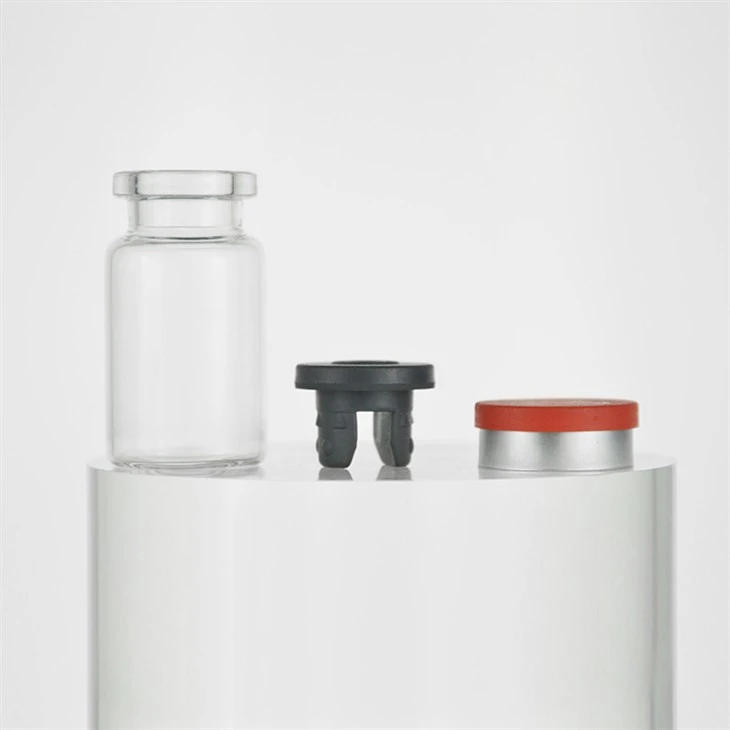
Medical vials are often made of materials such as glass, plastic, or metal. High humidity can cause corrosion and rusting of metal components, such as caps and closures. This can compromise the integrity of the vial, leading to leaks and contamination of the contents. For example, if a metal cap on a Medical Vial with Lid rusts, it may not seal properly, allowing moisture and bacteria to enter the vial.
2. Mold and Mildew Growth
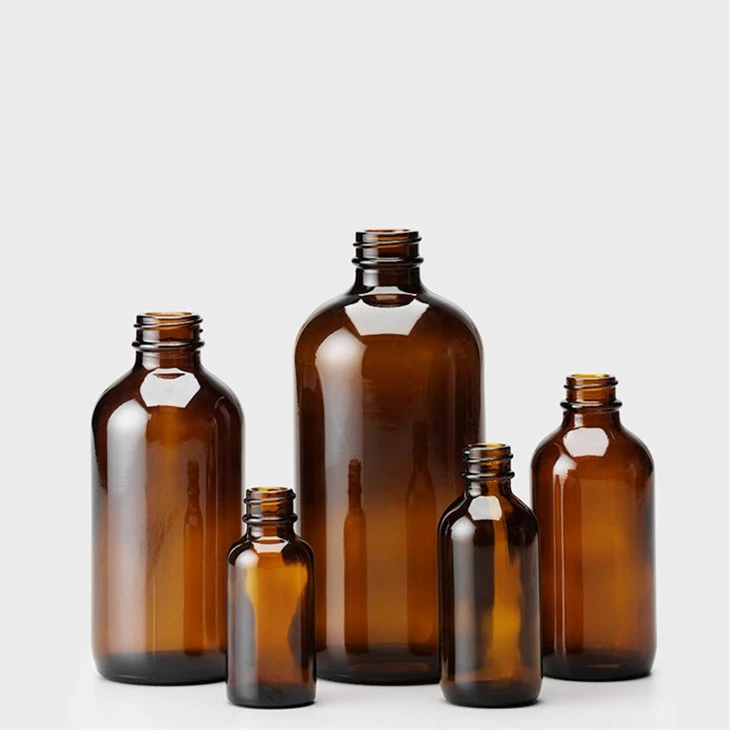
Humid environments provide an ideal breeding ground for mold and mildew. These microorganisms can grow on the surface of medical vials, especially if they are stored in areas with poor ventilation. Mold and mildew can not only damage the vials but also pose a health risk to patients if they contaminate the contents. For instance, if a Small Medicine Bottle is contaminated with mold, it may render the medication inside ineffective or even harmful.
3. Degradation of Labels and Printing
High humidity can cause the labels and printing on medical vials to fade, smudge, or peel off. This can make it difficult to read important information such as dosage instructions, expiration dates, and batch numbers. In some cases, it may even lead to misidentification of the medication, which can have serious consequences for patient safety. For example, if the label on a 20ml Amber Glass Bottle becomes unreadable, a healthcare provider may administer the wrong medication or dosage.
4. Moisture Absorption by the Contents
Medical vials are designed to protect the contents from moisture and other environmental factors. However, high humidity can cause the contents of the vial to absorb moisture, leading to changes in their physical and chemical properties. This can affect the stability and efficacy of the medication. For example, if a powder medication absorbs moisture, it may clump together, making it difficult to administer accurately.
Effects of Low Humidity on Medical Vials
While high humidity can cause problems for medical vials, low humidity can also have its own set of issues, including:
1. Brittle and Cracking Materials
Low humidity can cause materials such as plastic and rubber to become brittle and crack. This can compromise the integrity of the vial and its closures, leading to leaks and contamination. For example, if a plastic vial becomes brittle due to low humidity, it may break easily during handling or transportation.
2. Evaporation of Volatile Components
Some medications contain volatile components that can evaporate over time, especially in low humidity environments. This can lead to a decrease in the potency of the medication and may require more frequent dosing to achieve the desired therapeutic effect. For instance, if a liquid medication contains a volatile solvent, it may evaporate in a dry environment, leaving behind a higher concentration of the active ingredient.
3. Static Electricity Build-Up
Low humidity can cause static electricity to build up on the surface of medical vials. This can attract dust and other particles, which can contaminate the vials and their contents. Static electricity can also cause problems during the filling and sealing process, as it can interfere with the proper functioning of the equipment.
Mitigating the Effects of Humidity on Medical Vials
To minimize the effects of humidity on medical vials, several measures can be taken, including:
1. Proper Storage Conditions
Medical vials should be stored in a controlled environment with a stable temperature and humidity level. The ideal relative humidity for storing medical vials is typically between 30% and 60%. This can be achieved by using humidity control devices such as dehumidifiers and humidifiers. Additionally, vials should be stored in a clean, dry, and well-ventilated area away from direct sunlight and sources of heat.
2. Packaging Materials
The choice of packaging materials can also play a crucial role in protecting medical vials from humidity. For example, glass vials are generally more resistant to moisture than plastic vials. Additionally, using moisture-resistant closures and labels can help prevent moisture from entering the vial and damaging the contents.
3. Quality Control and Testing
Regular quality control and testing of medical vials can help identify any issues related to humidity and ensure that they meet the required standards. This can include visual inspections, leak tests, and stability studies to evaluate the effects of humidity on the vials and their contents over time.
4. Training and Education
Proper training and education of healthcare providers, pharmacists, and other personnel involved in the handling and storage of medical vials are essential to ensure that they understand the importance of humidity control and take the necessary precautions. This can help prevent issues related to humidity and ensure the safety and efficacy of the medications.
Conclusion
Humidity is a critical factor that can have a significant impact on the quality, safety, and efficacy of medical vials. As a medical vial supplier, it's our responsibility to provide high-quality products that are designed to withstand the effects of humidity and other environmental factors. By understanding the effects of humidity on medical vials and implementing appropriate measures to mitigate these issues, we can ensure that patients receive safe and effective medications.
If you're in the market for high-quality medical vials that are designed to withstand the effects of humidity, please don't hesitate to contact us. We offer a wide range of Medical Vial with Lid, Small Medicine Bottle, and 20ml Amber Glass Bottle options to meet your specific needs. Our team of experts is available to answer any questions you may have and help you choose the right products for your application.
References
- American Society for Testing and Materials (ASTM). (2019). Standard Practice for Conditioning and Testing Flexible Barrier Materials. ASTM D618-19.
- International Organization for Standardization (ISO). (2018). Packaging - Complete, Filled Transport Packages and Unit Loads - Conditioning for Testing. ISO 2233:2018.
- United States Pharmacopeia (USP). (2020). General Chapter <659> Packaging and Storage Requirements. USP 43 - NF 38.