

Hey there! As a supplier of pharmaceutical caps, I've been getting a lot of questions lately about the difference between soft and hard pharmaceutical caps. So, I thought I'd take a few minutes to break it down for you.
First off, let's talk about what these caps are used for. Pharmaceutical caps are essential for protecting the contents of medication bottles, vials, and other containers. They keep the drugs safe from contamination, moisture, and other environmental factors that could affect their quality and effectiveness. Whether it's a small vial of liquid medicine or a large bottle of pills, the right cap can make all the difference.

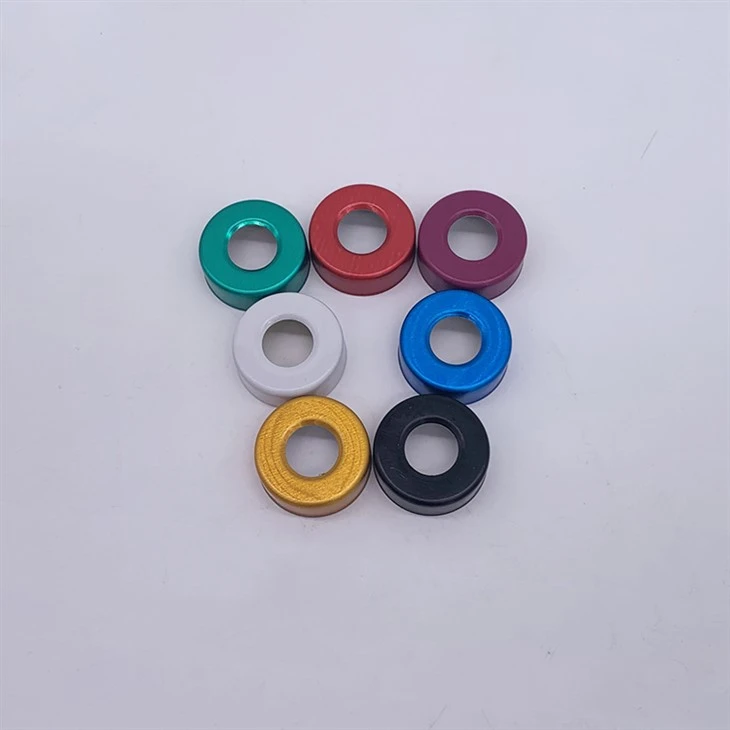
Soft Pharmaceutical Caps
Soft pharmaceutical caps are typically made from materials like rubber or silicone. These materials are flexible, which means they can easily conform to the shape of the container opening. This flexibility allows for a tight seal, preventing air and moisture from getting in.
One of the main advantages of soft caps is their ability to provide a reliable seal. They can be squeezed onto the container, creating a snug fit that keeps the contents fresh. This is especially important for medications that are sensitive to air and moisture, such as antibiotics and vitamins.
Soft caps are also easy to open and close, which is a big plus for patients. They don't require a lot of force to remove, making them user-friendly, especially for people with limited hand strength. This is particularly important for elderly patients or those with disabilities.
Another benefit of soft caps is their ability to absorb shock. If a bottle is dropped or bumped, the soft cap can help cushion the impact, reducing the risk of damage to the container and its contents. This is especially important for fragile medications or those that are stored in glass containers.
However, soft caps do have some drawbacks. They are more prone to wear and tear over time, which can affect their sealing ability. Exposure to heat, chemicals, or UV light can cause the rubber or silicone to degrade, leading to leaks or contamination. Additionally, soft caps may not be suitable for high-pressure applications, as they can deform under pressure.
Hard Pharmaceutical Caps
Hard pharmaceutical caps, on the other hand, are usually made from materials like plastic or metal. These materials are rigid and provide a strong, durable seal.
One of the key advantages of hard caps is their resistance to damage. They are less likely to be affected by wear and tear, heat, chemicals, or UV light. This makes them a good choice for medications that need to be stored for long periods or in harsh environments.
Hard caps also offer better protection against tampering. Many hard caps are designed with features like child-resistant closures or tamper-evident seals, which provide an extra layer of security. This is especially important for medications that are potentially dangerous if misused, such as opioids or prescription stimulants.
In addition, hard caps can be easily customized with logos, labels, or other branding elements. This makes them a popular choice for pharmaceutical companies that want to enhance their brand identity and make their products stand out on the shelf.
However, hard caps do have some limitations. They can be more difficult to open and close, especially for people with limited hand strength. Some hard caps require a twisting or pushing motion that may be challenging for certain individuals. Additionally, hard caps may not provide as tight of a seal as soft caps, which could potentially lead to air or moisture leakage.
Comparison of Soft and Hard Caps
Now that we've looked at the features of soft and hard pharmaceutical caps, let's compare them side by side.
| Feature | Soft Caps | Hard Caps |
|---|---|---|
| Seal Quality | Excellent, conforms to container shape | Good, but may not be as tight as soft caps |
| Ease of Use | Easy to open and close | Can be more difficult, especially for those with limited hand strength |
| Durability | Prone to wear and tear | More resistant to damage |
| Tamper Resistance | Limited | Can be designed with child-resistant and tamper-evident features |
| Customization | Limited | Can be easily customized with branding elements |
| Shock Absorption | Good | Poor |
Which One Should You Choose?
The choice between a soft and a hard pharmaceutical cap depends on several factors, including the type of medication, the storage conditions, and the target audience.
If you're dealing with a medication that is sensitive to air and moisture, a soft cap may be the better choice. The tight seal provided by a soft cap can help protect the medication from degradation and ensure its effectiveness. On the other hand, if you need a cap that is more durable and resistant to tampering, a hard cap may be more suitable.
It's also important to consider the ease of use for the patients. If your target audience includes elderly patients or those with disabilities, a soft cap may be more user-friendly. However, if you're dealing with a medication that requires a high level of security, a hard cap with child-resistant or tamper-evident features may be necessary.
Our Product Range
As a pharmaceutical cap supplier, we offer a wide range of soft and hard caps to meet the diverse needs of our customers. Whether you're looking for Aluminium Caps for Glass Bottles, Flip Top Cap 20mm, or Cap for Vials, we've got you covered.
Our caps are made from high-quality materials and are designed to provide a reliable seal and long-lasting performance. We also offer customization options, so you can add your logo or branding elements to make your products stand out.
Conclusion
In conclusion, the difference between a soft and a hard pharmaceutical cap lies in their materials, features, and performance. Soft caps offer a tight seal, ease of use, and shock absorption, while hard caps provide durability, tamper resistance, and customization options. The choice between the two depends on the specific needs of your medication and your target audience.
If you're in the market for pharmaceutical caps, I encourage you to reach out to us. We'd be happy to discuss your requirements and help you find the perfect cap for your products. Whether you need a small order for a clinical trial or a large quantity for mass production, we have the expertise and resources to meet your needs. Let's start a conversation and see how we can work together to ensure the safety and quality of your medications.
References
- Pharmaceutical Packaging Handbook, edited by Wilmer A. Weltman
- "Advances in Pharmaceutical Packaging Technology" by various authors in the Journal of Pharmaceutical Sciences