

Are amber glass bottles heavy? This is a question that often pops up when people are considering their packaging options. As a supplier of amber glass bottles, I've had numerous conversations with clients about the weight of these bottles and its implications. In this blog, I'll delve into the factors that determine the weight of amber glass bottles, compare them with other types of glass bottles, and discuss the practical aspects of their weight in various applications.
Factors Affecting the Weight of Amber Glass Bottles
The weight of an amber glass bottle is influenced by several key factors. Firstly, the size of the bottle plays a significant role. Naturally, a larger bottle will require more glass material, resulting in a heavier weight. For instance, a 20ml Amber Glass Bottle will be considerably lighter than a 500ml or 1-liter amber glass bottle. The volume of the bottle directly correlates with the amount of glass needed to construct it, and thus, the overall weight.
Another crucial factor is the thickness of the glass. Amber glass bottles can have different wall thicknesses depending on their intended use. Bottles designed to hold fragile or high-value contents, such as essential oils or pharmaceuticals, may have thicker walls to provide better protection. Thicker glass adds to the weight of the bottle but also enhances its durability and resistance to breakage. On the other hand, bottles used for less sensitive products might have thinner walls, reducing the weight while still maintaining a reasonable level of strength.
The shape of the bottle also impacts its weight. Complex or irregular shapes often require more glass material to achieve the desired form, making them heavier than simple, cylindrical bottles. Additionally, features like embossing, raised logos, or textured surfaces can add a small amount of extra weight due to the additional glass used in these details.
Comparing Amber Glass Bottles with Clear Glass Bottles
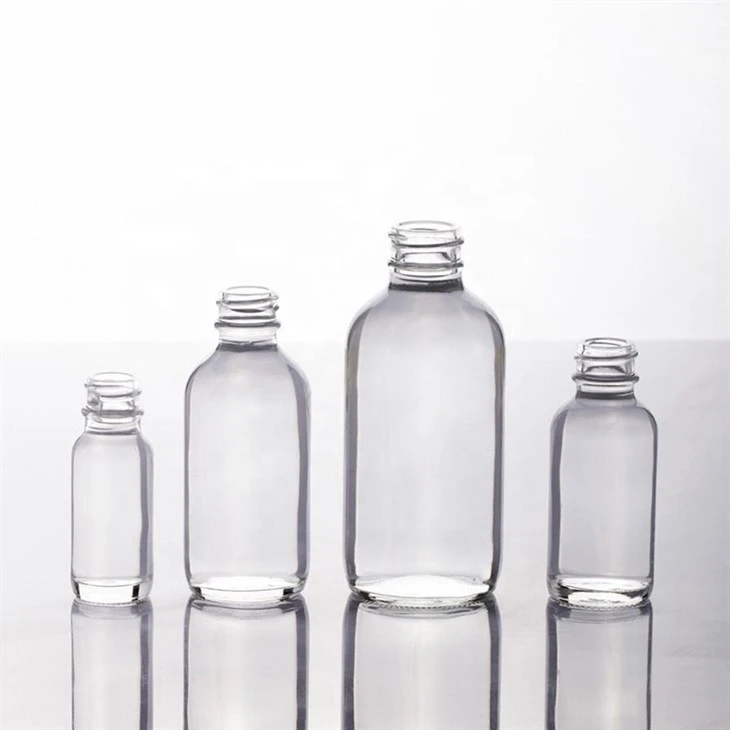
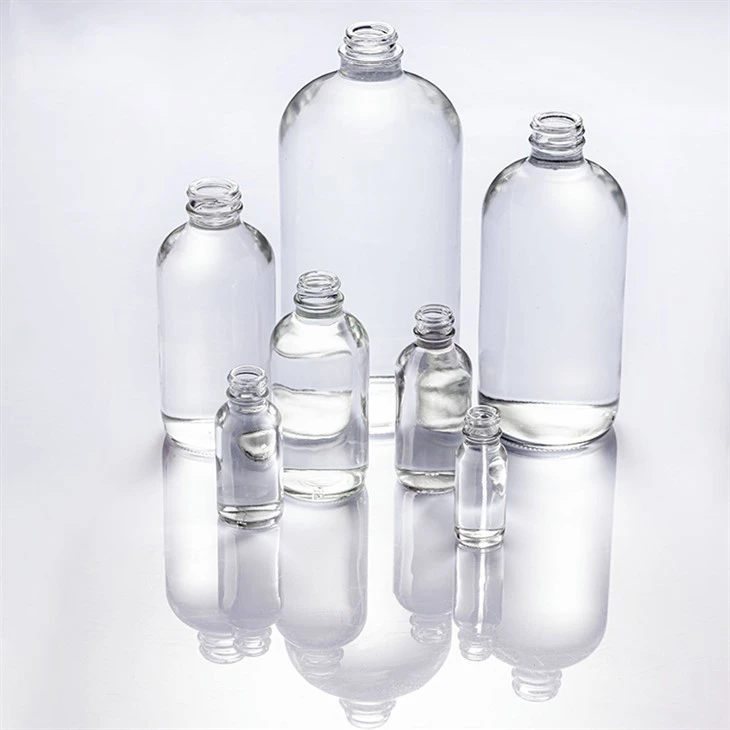
When discussing the weight of amber glass bottles, it's interesting to compare them with Clear Glass Bottle. In general, amber glass and clear glass have similar densities, so the weight difference between the two mainly comes from the size, thickness, and shape factors mentioned above. However, there is one notable characteristic of amber glass that can indirectly affect its weight perception.
Amber glass is known for its ability to block ultraviolet (UV) light. This property makes it an excellent choice for packaging products that are sensitive to light, such as certain medications, vitamins, and essential oils. To achieve the desired level of UV protection, amber glass typically contains additives that give it its distinctive color. These additives do not significantly increase the weight of the glass itself, but they do contribute to the overall perception of the bottle's "heaviness" in some cases.
In terms of practical applications, the weight difference between amber and clear glass bottles may not be a major concern for most users. However, for industries where shipping costs are a significant factor, even a small reduction in weight can lead to substantial savings over time. Therefore, it's important to carefully consider the weight requirements when choosing between amber and clear glass bottles.
Practical Implications of the Weight of Amber Glass Bottles
The weight of amber glass bottles has several practical implications in different industries. In the pharmaceutical industry, for example, the weight of the bottle is an important consideration when it comes to packaging and transportation. 20ml Medicine Bottle are commonly used to store liquid medications, and their weight can affect the overall weight of the packaging and shipping costs. Additionally, the weight of the bottle can impact the ease of handling for patients, especially those with limited dexterity.
In the cosmetics and fragrance industry, the weight of the bottle can also play a role in the perceived quality of the product. A heavier bottle may give the impression of a more luxurious and high-quality product, which can be a selling point for consumers. However, it's important to balance this perception with the practical aspects of weight, such as shipping costs and ease of use.
In the food and beverage industry, the weight of amber glass bottles can affect the shelf life and quality of the product. Amber glass provides excellent protection against light, which can help prevent the degradation of food and beverage products. However, the weight of the bottle can also impact the overall weight of the packaging, which may be a consideration for manufacturers and retailers.
Conclusion
So, are amber glass bottles heavy? The answer is that it depends on several factors, including the size, thickness, shape, and intended use of the bottle. While amber glass bottles may be slightly heavier than clear glass bottles in some cases, the difference is usually not significant enough to be a major concern. The weight of amber glass bottles can have practical implications in different industries, such as shipping costs, perceived quality, and product protection.
As a supplier of amber glass bottles, I understand the importance of providing high-quality products that meet the specific needs of my clients. Whether you're looking for a 20ml Amber Glass Bottle for your pharmaceutical products or a larger amber glass bottle for your cosmetics or food and beverage products, I can offer a wide range of options to suit your requirements.
If you're interested in learning more about our amber glass bottles or would like to discuss your packaging needs, please don't hesitate to contact us. We're always happy to help and look forward to working with you to find the perfect packaging solution for your products.
References
- "Glass Packaging: A Sustainable Choice." Glass Packaging Institute.
- "The Science of Glass." Corning Incorporated.
- "Packaging Design for Pharmaceutical Products." Pharmaceutical Technology.