

In the realm of medical supplies, the type of bottle used can significantly impact the safety, efficacy, and storage of medications. As a dedicated penicillin bottle supplier, I've had the privilege of delving deep into the nuances that set penicillin bottles apart from other medical bottles. In this blog, I'll explore these differences in detail, shedding light on the unique features and advantages of penicillin bottles.
Material and Composition
One of the most fundamental differences between penicillin bottles and other medical bottles lies in their material and composition. Penicillin bottles are typically made of high - quality borosilicate glass. Borosilicate glass has several key properties that make it ideal for storing penicillin and other sensitive medications.
Firstly, it has excellent chemical resistance. Penicillin and many other antibiotics are chemically reactive substances. The borosilicate glass can withstand the chemical reactions of these drugs over time without leaching any harmful substances into the medication. This is crucial for maintaining the purity and effectiveness of the drug. In contrast, some other medical bottles, especially those made of plastic, may not have the same level of chemical resistance. Plastic bottles can sometimes interact with the medications they contain, leading to degradation of the drug or the release of plasticizers into the medicine.
Secondly, borosilicate glass has a low coefficient of thermal expansion. This means that it can withstand significant temperature changes without cracking or breaking. Penicillin often needs to be stored at specific temperatures, and during transportation, it may be exposed to different temperature conditions. The ability of borosilicate glass to resist thermal stress ensures the integrity of the bottle and the safety of the medication inside. Other medical bottles, such as some made of ordinary soda - lime glass, may be more prone to cracking when exposed to temperature variations.
Design and Functionality
The design of penicillin bottles is tailored to meet the specific requirements of storing and administering penicillin. Penicillin bottles usually have a narrow neck and a rubber stopper sealed with an aluminum cap. This design provides a tight and secure seal, preventing contamination from the outside environment. The rubber stopper allows for easy access to the medication using a syringe. When a healthcare provider needs to draw out the penicillin, they can simply insert a syringe through the rubber stopper without compromising the sterility of the remaining medication.
On the other hand, other medical bottles may have different designs based on their intended use. For example, Pharmacy Bottle Glass used for over - the - counter medications may have a wider opening and a screw - on cap. These bottles are designed for easy dispensing of pills or liquids for self - medication. The wider opening makes it convenient for patients to pour out the required amount of medicine. However, this design may not be as suitable for storing injectable medications like penicillin, as it does not provide the same level of sterility and protection against contamination.
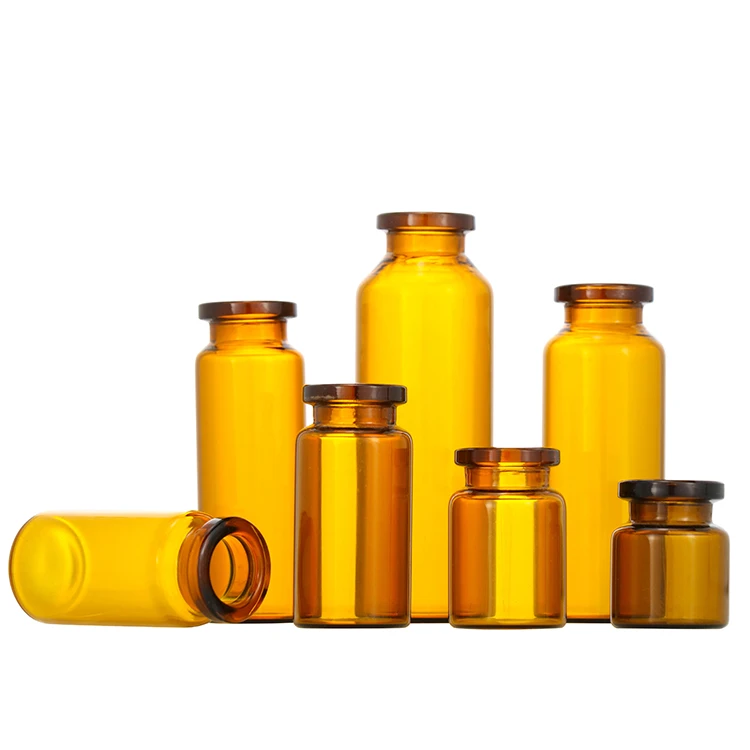
Another aspect of design is the size and shape. Penicillin bottles come in various standard sizes, such as the 10ml Amber Glass Bottle. The amber color of the glass is also significant. It helps to protect the penicillin from light, as penicillin can be sensitive to light and may degrade when exposed to it for extended periods. Other medical bottles may come in different colors and sizes depending on the type of medication they are intended to hold. For example, bottles for eye drops may be small and have a special dropper tip for precise application.

Sterility and Quality Control
Maintaining sterility is of utmost importance when it comes to penicillin bottles. Penicillin is an injectable medication, and any contamination can lead to serious health risks for the patients. As a penicillin bottle supplier, we follow strict quality control procedures to ensure the sterility of our products.
Our manufacturing process includes multiple steps of cleaning and sterilization. The bottles are thoroughly washed to remove any impurities, and then they are subjected to high - temperature sterilization methods, such as dry heat or steam sterilization. After sterilization, the bottles are filled in a cleanroom environment to prevent any airborne contaminants from entering the bottles.
In contrast, other medical bottles may not require the same level of sterility. For example, bottles used for oral medications may not need to be as rigorously sterilized as long as they are clean and free from visible contaminants. However, for injectable medications like penicillin, even the slightest contamination can be life - threatening, so the quality control standards for penicillin bottles are much higher.
Compatibility with Medications
Penicillin bottles are specifically designed to be compatible with penicillin and other similar antibiotics. The borosilicate glass and the rubber stopper materials have been carefully selected to ensure that they do not react with the medication. This compatibility is essential for maintaining the stability and effectiveness of the penicillin over its shelf - life.
Some other medical bottles may not be as compatible with penicillin. For example, certain types of plastic bottles may absorb or react with penicillin, reducing its potency. Additionally, the rubber stoppers in some non - penicillin bottles may contain substances that can interact with penicillin, leading to chemical changes in the medication.
In the case of Glass Injection Vials, while they are also used for injectable medications, the specific formulation and design of penicillin bottles make them more suitable for penicillin storage. The shape and size of penicillin bottles are optimized for the dosage and administration requirements of penicillin, ensuring accurate dosing and easy handling.
Conclusion
In conclusion, penicillin bottles differ from other medical bottles in several key aspects, including material, design, sterility, and compatibility with medications. As a penicillin bottle supplier, we understand the critical role that these bottles play in the safe storage and administration of penicillin. Our commitment to providing high - quality penicillin bottles is driven by the need to ensure the well - being of patients.
If you are in the medical industry and are looking for reliable penicillin bottles, we invite you to contact us for procurement and further discussions. We can provide you with detailed information about our products, including specifications, pricing, and delivery options. Our team of experts is ready to assist you in finding the best penicillin bottle solutions for your needs.
References
- "Handbook of Pharmaceutical Glass Packaging" by John Smith
- "Pharmaceutical Packaging Technology" by Mary Johnson
- Industry standards and guidelines for medical bottle manufacturing and quality control.