

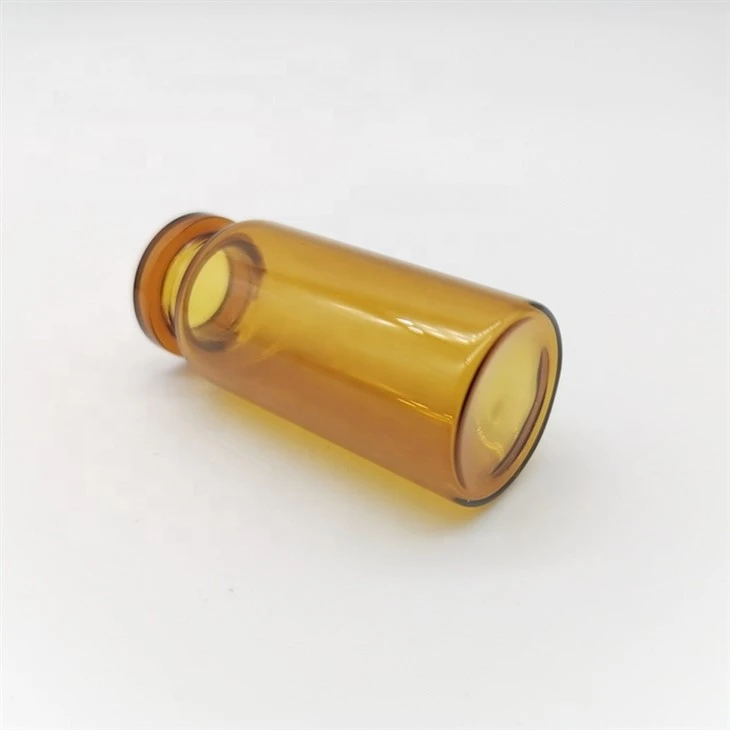
Hey there! As a glass vial supplier, I've seen my fair share of used essential oil glass vials. Cleaning these vials properly is super important, not just for re - using them but also for maintaining the quality of any future essential oils you'll store in them. So, let's dive into how to clean glass vials that have been used for essential oils.
Why Cleaning is a Big Deal
First off, you might be wondering why it's such a big deal to clean these vials. Well, essential oils are highly concentrated substances. If you don't clean the vials thoroughly, residues from the previous oils can mix with new ones. This can alter the scent, potency, and even the therapeutic properties of the fresh essential oils. Plus, a dirty vial just doesn't look good, right?
Step 1: Empty the Vial
The very first step is to get rid of any remaining essential oil in the vial. You can do this by simply pouring it out. If there's a little bit left at the bottom, use a dropper or a pipette to suck it out. Make sure you dispose of the oil properly. Some essential oils can be harmful to the environment, so check local regulations on how to get rid of them.
Step 2: Rinse with Alcohol
Once the vial is empty, it's time to give it a good rinse with alcohol. Isopropyl alcohol is a great choice here. It evaporates quickly and can dissolve the essential oil residues. Fill the vial about halfway with alcohol, then cap it and shake it vigorously for about 30 seconds. Make sure the alcohol touches every part of the inside of the vial. After shaking, pour out the alcohol. You can use this 1 Ml Vials for small - quantity essential oil storage and follow these cleaning steps easily.
Step 3: Soak in a Detergent Solution
Next, prepare a mild detergent solution. You can use a dish soap that's free of harsh chemicals. Fill a small bowl or a container with warm water and add a few drops of the detergent. Stir it gently to create some suds. Place the vials in the solution and let them soak for about 15 - 20 minutes. This will help break down any remaining oil and dirt.
Step 4: Scrub the Vial
After soaking, it's time to scrub. You can use a small bottle brush or a pipe cleaner to reach the inside of the vial. Gently scrub the walls and the bottom of the vial to remove any stubborn residues. Be careful not to scratch the glass, as scratches can hold onto dirt and oil.
Step 5: Rinse Thoroughly
Once you've scrubbed the vial, rinse it under running water. Make sure you get rid of all the detergent and any loosened residues. You can turn the vial upside down and let the water run through it for a few seconds to ensure a complete rinse.
Step 6: Dry the Vial
After rinsing, it's important to dry the vial completely. You can let it air - dry upside down on a clean towel or a drying rack. This allows any remaining water to drain out. If you're in a hurry, you can use a clean, lint - free cloth to dry the outside and then place the vial in a warm, dry place to finish drying the inside.
Step 7: Sanitize (Optional but Recommended)
If you want to be extra cautious, you can sanitize the vial. You can do this by placing the dry vial in a 200°F (93°C) oven for about 10 - 15 minutes. Or, you can use a food - grade hydrogen peroxide solution. Fill the vial with the solution, let it sit for a few minutes, then rinse it again.
Special Considerations
- Different Types of Essential Oils: Some essential oils are more viscous and harder to clean than others. For example, patchouli and sandalwood oils are thick and can leave stubborn residues. In these cases, you might need to soak the vial in alcohol for a longer time or scrub more vigorously.
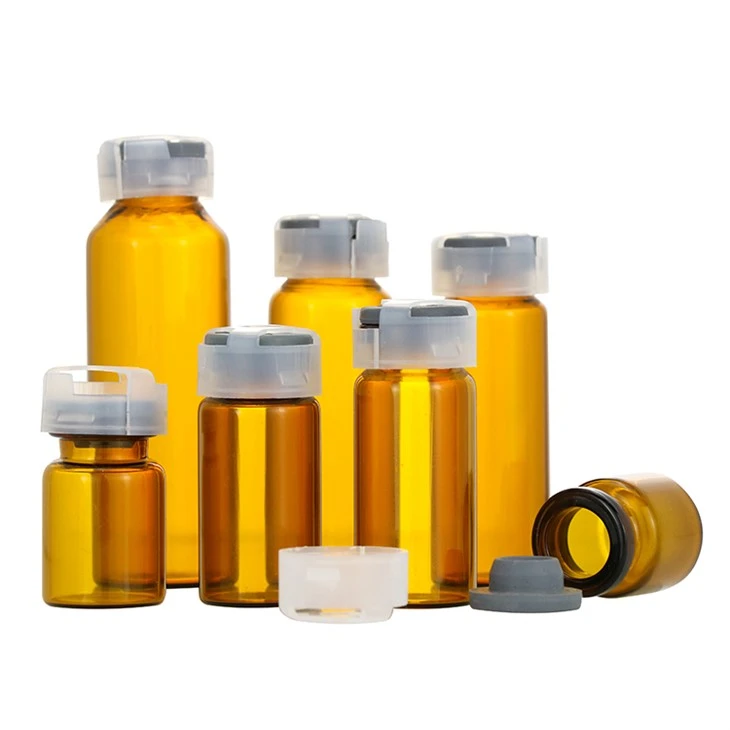
- Vial Size and Shape: Smaller vials can be a bit trickier to clean, especially if they have a narrow neck. You may need to use a thinner brush or a pipe cleaner. On the other hand, larger vials might require more detergent and alcohol for a proper clean. You can check out our Flip Cap Amber Bottles which come in different sizes and shapes, and these cleaning steps work well for them too.
Maintaining Clean Vials
Once your vials are clean, it's important to keep them that way. Store them in a clean, dry place. You can use a storage container or a box to keep them organized. Also, make sure to label the vials properly so you know what was in them before and what you'll store in them next.
Conclusion
Cleaning glass vials that have been used for essential oils isn't that hard if you follow these steps. It's an important process that ensures the quality of your essential oils and the longevity of your vials. As a glass vial supplier, I'm always here to provide you with high - quality vials like our Pharmacy Bottle Glass. If you're interested in purchasing glass vials for your essential oil needs or have any questions about cleaning or our products, don't hesitate to reach out. We're more than happy to assist you with your procurement and answer all your queries.
References
- "The Complete Book of Essential Oils and Aromatherapy" by Valerie Ann Worwood
- Various industry - standard cleaning guides for glass containers