

Hey there! As a supplier of 15ml glass bottles, I've gotten a ton of questions about the differences between 15ml glass bottles and plastic bottles. So, I thought I'd break it down for you in this blog post.
Material and Appearance
Let's start with the basics - the material. Glass bottles are made of, well, glass! It's a non - porous material. This means that it doesn't absorb any of the contents inside. Plastic bottles, on the other hand, are made from various types of plastics, like PET (Polyethylene Terephthalate), HDPE (High - Density Polyethylene), etc.
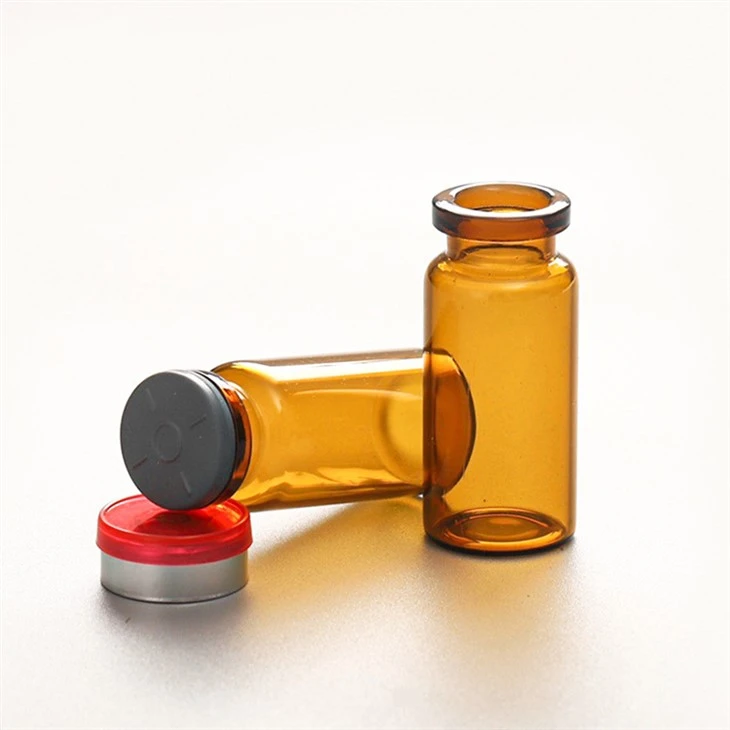
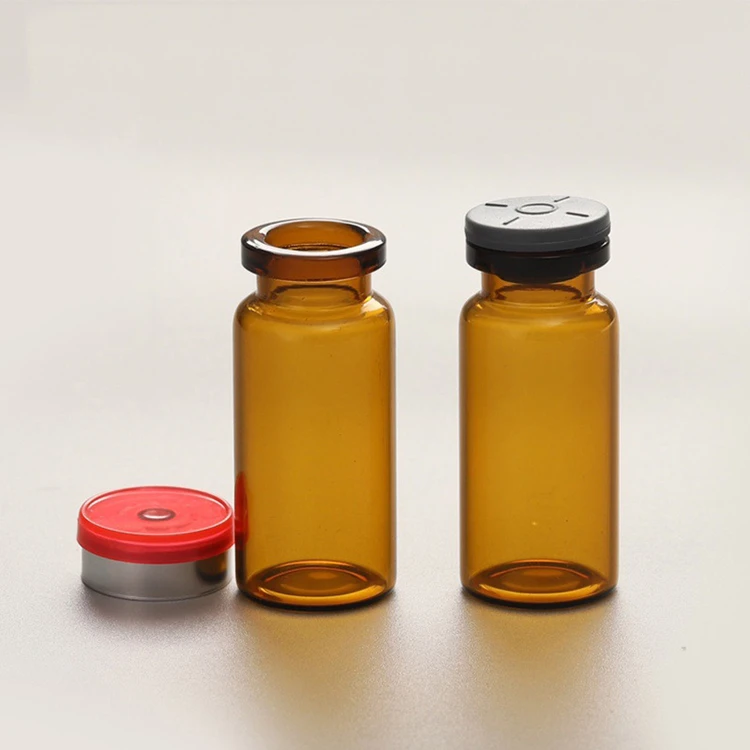
In terms of appearance, glass bottles have a classic, elegant look. They can be transparent, allowing you to clearly see the product inside. You can also get them in different colors, like amber or blue, which not only add a bit of style but also provide some protection against light. Plastic bottles, while they can also be clear, often have a more utilitarian look. They might seem a bit cheaper in appearance, especially the thinner ones.
If you're in the market for a small, stylish container, check out our Small Medicine Bottle. It's made of high - quality glass and has that sleek look that can really make your product stand out.
Durability
When it comes to durability, it's a bit of a mixed bag. Glass is a strong material, but it's also brittle. If you drop a glass bottle, there's a high chance it will break into pieces. Plastic, on the other hand, is more flexible and resilient. You can drop a plastic bottle, and it might just bounce or dent a little bit.
However, over time, plastic can start to degrade. Exposure to sunlight, heat, and certain chemicals can cause it to become brittle or change its shape. Glass, once formed, is pretty stable. It won't react with most substances, and it can withstand a wide range of temperatures without degrading. So, if you're storing something long - term or something that's sensitive to environmental factors, a glass bottle might be the better choice. Our Medicine Bottle is built to last and can keep your products safe for a long time.
Chemical Resistance
This is a big one, especially if you're storing chemicals, medications, or essential oils. Glass is extremely chemically resistant. It won't react with acids, bases, or most organic compounds. This means that the contents of a glass bottle will stay pure and won't be contaminated by the container.
Plastic, on the other hand, can react with certain chemicals. Some plastics can leach chemicals into the contents, especially when they're exposed to high temperatures or harsh substances. For example, if you store essential oils in a plastic bottle, the oils might start to break down the plastic over time, and the plastic might release harmful substances into the oil. If you're looking for a safe container for your sensitive products, a 10ml Medicine Bottle can be a great option.
Environmental Impact
In today's world, environmental impact is a major concern. Glass is a more environmentally friendly option in the long run. It's made from natural materials like sand, soda ash, and limestone, which are abundant. Glass is also 100% recyclable, and it can be recycled an infinite number of times without losing its quality.
Plastic, while it can be recycled, often ends up in landfills. A lot of plastic bottles are made from single - use plastics that take hundreds of years to break down. And the process of making plastic is energy - intensive and can release harmful chemicals into the environment. So, if you're looking to reduce your carbon footprint, choosing a glass bottle is a step in the right direction.
Cost
Cost is always a factor when making a decision. Generally, plastic bottles are cheaper to produce than glass bottles. The raw materials for plastic are less expensive, and the manufacturing process is often faster and more efficient.
However, when you consider the long - term costs, glass might be a better investment. Since glass is more durable and chemically resistant, you might save money in the long run by not having to replace the bottles as often or deal with product contamination. Also, if you're selling a high - end product, the cost of a glass bottle can add to the perceived value of your product.
Ease of Use
Using a glass bottle and a plastic bottle can be a bit different. Glass bottles are usually heavier, which can be a drawback if you're carrying them around a lot. But they also have a nice, solid feel in your hand. Plastic bottles are lighter and more portable, which makes them great for on - the - go use.
When it comes to opening and closing, both types of bottles can have different closures. Glass bottles often come with screw - on caps or dropper tops, which can be very precise. Plastic bottles can also have these types of closures, but they might not be as tight - fitting as those on glass bottles.
Conclusion
So, there you have it - the main differences between 15ml glass bottles and plastic bottles. Each type of bottle has its own pros and cons, and the choice really depends on your specific needs. If you're looking for a stylish, durable, and chemically resistant container, a 15ml glass bottle is a great option.
If you're interested in purchasing our 15ml glass bottles or have any questions about them, don't hesitate to reach out. We're here to help you find the perfect packaging solution for your products. Whether you're in the pharmaceutical, cosmetic, or essential oil industry, we've got the right bottle for you.
References
- "Packaging Materials and Their Properties" - A textbook on packaging science.
- Various industry reports on glass and plastic bottle manufacturing.