

Hey there! As a supplier of pharmaceutical caps, I often get asked about the cost of raw materials for these essential components. In this blog post, I'll break down the key factors that influence the cost of raw materials for pharmaceutical caps and give you a better understanding of what goes into pricing.
Types of Raw Materials
First off, let's talk about the different types of raw materials used in pharmaceutical caps. There are several common materials, each with its own characteristics and costs.
Plastic
Plastic is one of the most widely used materials for pharmaceutical caps. It's lightweight, cost - effective, and can be easily molded into various shapes and sizes. Polypropylene (PP) and polyethylene (PE) are two popular plastics used in cap manufacturing. PP is known for its high chemical resistance and stiffness, while PE offers good flexibility and impact resistance. The cost of plastic raw materials can vary depending on factors such as the grade, quality, and market demand. Generally, the price of plastic is relatively stable, but it can be affected by fluctuations in the price of crude oil, as plastics are derived from petrochemicals.
Aluminum
Aluminum is another common material for pharmaceutical caps, especially for high - end or specialty products. Aluminum caps provide a high level of protection against moisture, oxygen, and light, which is crucial for preserving the quality of pharmaceutical products. They also offer a more premium look and feel. The cost of aluminum raw materials is influenced by factors such as the price of aluminum on the global market, which can be affected by supply and demand dynamics, production costs, and geopolitical factors. Additionally, the manufacturing process for aluminum caps, such as stamping and anodizing, can add to the overall cost.
Rubber
Rubber is often used as a sealing material in pharmaceutical caps. It provides a tight seal to prevent leakage and contamination. Natural rubber and synthetic rubber are the two main types used. Synthetic rubber, such as butyl rubber, is more commonly used in pharmaceutical applications due to its better chemical resistance and stability. The cost of rubber raw materials can be affected by factors such as the source of the rubber, production methods, and market demand.
Factors Affecting the Cost of Raw Materials
Now that we've covered the types of raw materials, let's look at the factors that can affect their cost.
Market Demand
The demand for raw materials in the pharmaceutical industry can have a significant impact on their cost. If there is a high demand for a particular raw material, such as during a global health crisis when the demand for pharmaceutical products increases, the price of that raw material is likely to go up. Conversely, if the demand is low, the price may decrease.
Supply Chain Disruptions
Supply chain disruptions can also cause fluctuations in the cost of raw materials. Events such as natural disasters, political unrest, or labor strikes can disrupt the production and transportation of raw materials, leading to shortages and price increases. For example, if a major aluminum production facility is shut down due to a labor strike, the supply of aluminum may be reduced, causing the price to rise.
Quality and Purity
The quality and purity of raw materials are important considerations in the pharmaceutical industry. Higher - quality and purer raw materials generally come at a higher cost. Pharmaceutical companies often require raw materials that meet strict quality standards to ensure the safety and efficacy of their products. For example, plastic raw materials used in pharmaceutical caps need to be free from contaminants and meet specific chemical and physical properties.
Production Costs
The cost of producing raw materials also plays a role in their final price. This includes the cost of extraction, refining, and processing. For example, the production of aluminum involves energy - intensive processes such as smelting, which can contribute to the overall cost. Additionally, environmental regulations and compliance costs can also add to the production costs of raw materials.
Cost Comparison of Different Types of Caps
Let's take a look at how the cost of raw materials translates into the cost of different types of pharmaceutical caps.
Plastic Caps
Plastic caps are generally the most cost - effective option. Due to the relatively low cost of plastic raw materials and the efficient manufacturing processes, plastic caps can be produced at a lower cost compared to other types of caps. They are suitable for a wide range of pharmaceutical products, especially those with lower - cost requirements.
Aluminum Plastic Caps
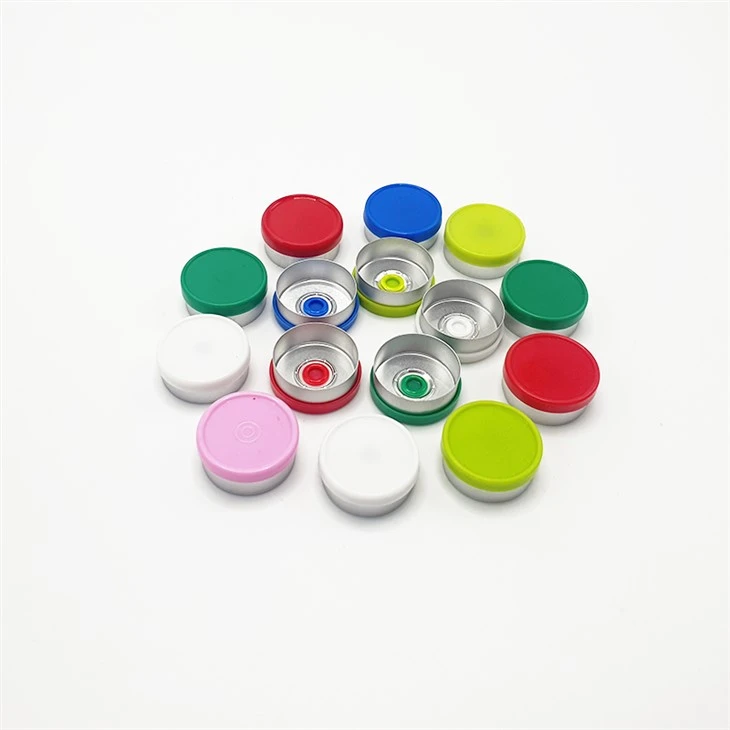
Aluminum plastic caps combine the advantages of both aluminum and plastic. They offer a good balance between protection and cost. The aluminum layer provides a barrier against external factors, while the plastic layer can be customized for different applications. You can check out our Aluminum Plastic Vial Cap and Aluminium Plastic Caps For Glass Vials for more information on these types of caps.
Aluminum Caps
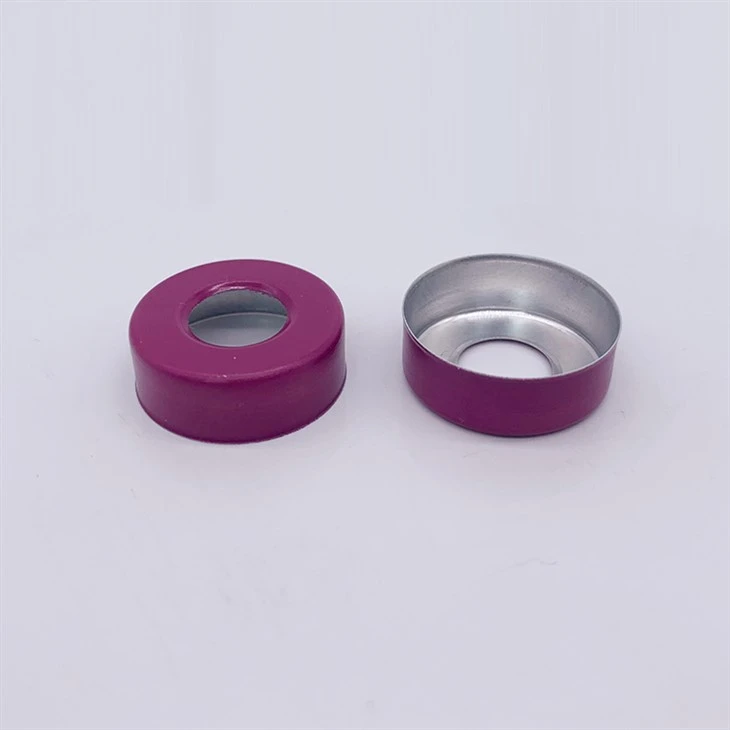
Aluminum caps are usually more expensive than plastic and aluminum plastic caps. The higher cost is mainly due to the cost of aluminum raw materials and the more complex manufacturing processes. However, they are often used for high - value or sensitive pharmaceutical products where maximum protection is required. You can explore our Aluminium Caps for Glass Bottles if you're interested in this type of cap.
How We Manage the Cost of Raw Materials
As a pharmaceutical cap supplier, we understand the importance of managing the cost of raw materials while maintaining high - quality standards. Here are some of the strategies we use:
Long - Term Contracts
We establish long - term contracts with our raw material suppliers. This allows us to secure a stable supply of raw materials at a fixed or pre - negotiated price, reducing the impact of market fluctuations.
Supplier Diversification
We work with multiple suppliers for each type of raw material. This helps us to mitigate the risk of supply chain disruptions and gives us more flexibility in sourcing the best - quality raw materials at competitive prices.
Process Optimization
We continuously optimize our manufacturing processes to improve efficiency and reduce waste. By using advanced technologies and production techniques, we can make the most of the raw materials we use, which helps to lower the overall cost.
Conclusion
In conclusion, the cost of raw materials for pharmaceutical caps is influenced by a variety of factors, including the type of material, market demand, supply chain disruptions, quality, and production costs. As a supplier, we are committed to providing high - quality pharmaceutical caps at competitive prices. If you're in the market for pharmaceutical caps and want to discuss your specific requirements, we'd love to hear from you. Whether you need plastic caps, aluminum plastic caps, or aluminum caps, we can offer you customized solutions based on your needs.
If you have any questions or would like to start a procurement discussion, feel free to reach out. We're here to help you find the best - fitting pharmaceutical caps for your products.
References
- "Handbook of Pharmaceutical Manufacturing Formulations"
- "The Economics of the Pharmaceutical Industry"
- Industry reports on raw material prices and market trends