

In the contemporary era, environmental sustainability has become a pivotal concern across various industries. As a supplier of glass vials, I am frequently confronted with the question: Are glass vials environmentally friendly? This blog post aims to delve into this question, exploring the environmental implications of glass vials from multiple perspectives.
The Environmental Advantages of Glass Vials
1. Recyclability
One of the most significant environmental benefits of glass vials is their high recyclability. Glass is made from natural raw materials such as sand, soda ash, and limestone. These materials are abundant and can be sourced sustainably. When glass vials reach the end of their life cycle, they can be recycled indefinitely without losing their quality or purity. Recycling glass vials requires less energy compared to producing new glass from raw materials. According to the Glass Packaging Institute, recycling glass can save up to 30% of the energy needed for primary production. This reduction in energy consumption translates into lower greenhouse gas emissions, contributing to a cleaner environment.
2. Durability
Glass vials are highly durable and resistant to corrosion, chemical reactions, and breakage. Unlike plastic vials, which may degrade over time and release harmful chemicals into the environment, glass vials can maintain their integrity for a long period. This durability means that glass vials can be reused multiple times, reducing the need for frequent replacements and minimizing waste generation. For example, in the pharmaceutical industry, glass vials are often used to store medications, vaccines, and other sensitive products. Their durability ensures the safe storage and transportation of these products, reducing the risk of contamination and spoilage.
3. Non - Toxicity
Glass is a non - toxic material that does not leach harmful chemicals into its contents. This makes glass vials an ideal choice for storing food, beverages, pharmaceuticals, and cosmetics. Unlike some plastics, which may contain bisphenol A (BPA) and other harmful substances, glass vials provide a safe and healthy option for consumers. In addition, glass vials do not emit volatile organic compounds (VOCs) into the air, which can contribute to indoor air pollution. This non - toxicity also means that glass vials are less likely to cause environmental harm when disposed of, as they do not release harmful substances into the soil or water.
The Environmental Challenges of Glass Vials
1. Energy Intensive Production
While glass is recyclable and durable, its production process is energy - intensive. The melting of raw materials to make glass requires high temperatures, which typically rely on fossil fuels such as natural gas or coal. This energy consumption contributes to greenhouse gas emissions and air pollution. However, advancements in glass manufacturing technology, such as the use of more efficient furnaces and alternative energy sources, are helping to reduce the environmental impact of glass production. For example, some glass manufacturers are using electric furnaces powered by renewable energy, such as solar or wind power, to reduce their carbon footprint.
2. Transportation
Glass vials are heavier than plastic vials, which can increase transportation costs and energy consumption. The additional weight requires more fuel to transport the same quantity of vials, resulting in higher greenhouse gas emissions. To mitigate this issue, some glass vial suppliers are optimizing their packaging and shipping methods to reduce the weight and volume of shipments. For example, using more compact packaging designs and consolidating shipments can help to reduce transportation emissions.
Comparing Glass Vials with Other Packaging Materials
1. Glass vs. Plastic
Plastic vials are lightweight and inexpensive, but they have significant environmental drawbacks. Plastic is made from petroleum, a non - renewable resource, and most plastics are not biodegradable. Plastic waste often ends up in landfills or the ocean, where it can persist for hundreds of years and cause harm to wildlife. In contrast, glass vials are recyclable, durable, and non - toxic, making them a more environmentally friendly option. However, the energy - intensive production of glass and its heavier weight need to be considered when comparing the two materials.
2. Glass vs. Metal
Metal vials, such as aluminum or steel, are also durable and recyclable. However, metal production often involves mining and refining processes that can have a significant environmental impact. Metal vials may also be more expensive than glass vials. Glass vials offer a good balance between environmental friendliness and cost - effectiveness, especially for applications where transparency and chemical resistance are important.
Our Commitment to Environmental Sustainability
As a glass vial supplier, we are committed to minimizing the environmental impact of our products. We are constantly investing in research and development to improve the energy efficiency of our manufacturing processes. For example, we are exploring the use of alternative raw materials and more efficient melting techniques to reduce energy consumption and emissions.
We also encourage our customers to recycle glass vials after use. By promoting the recycling of glass vials, we can close the loop on the glass lifecycle and reduce the demand for new glass production. In addition, we are working on developing innovative packaging solutions to reduce the weight and volume of our shipments, thereby reducing transportation emissions.
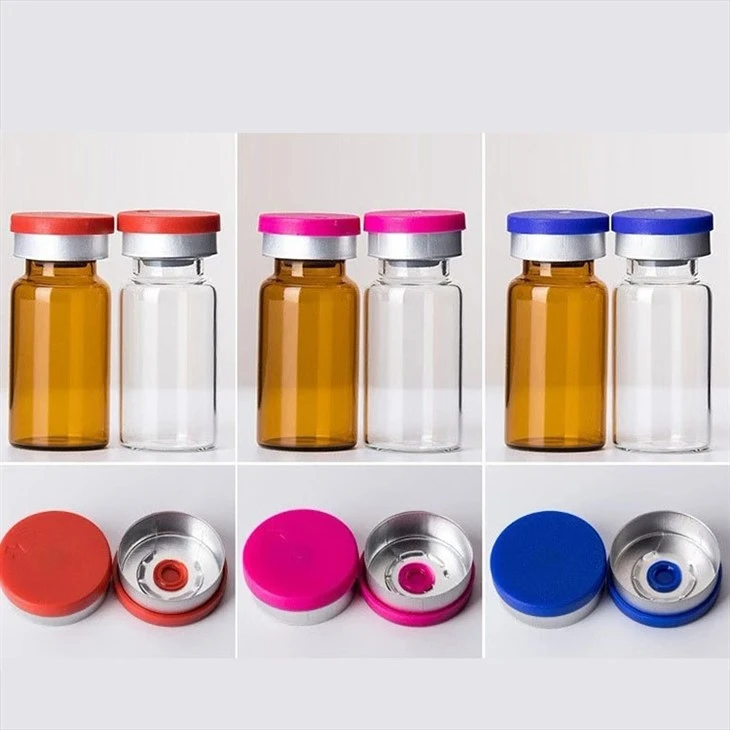
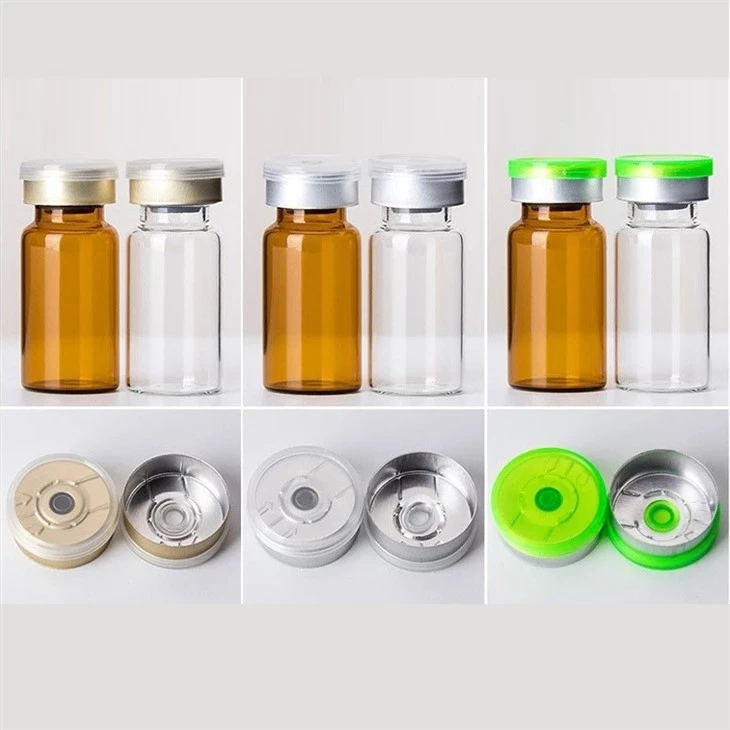
Explore Our Glass Vial Products
If you are interested in our glass vial products, we offer a wide range of options to meet your needs. Our 1ml Glass Bottle is perfect for storing small quantities of liquids, such as essential oils or perfumes. Our Glass Medical Vials are designed to meet the strict requirements of the pharmaceutical industry, ensuring the safe storage and transportation of medications. And our Mini Bottles Glass are ideal for samples or small - scale products.
If you have any questions or would like to discuss your specific requirements, please feel free to contact us. We are more than happy to provide you with detailed information and help you make the right choice for your packaging needs.
Conclusion
In conclusion, glass vials have both environmental advantages and challenges. Their recyclability, durability, and non - toxicity make them a relatively environmentally friendly packaging option compared to plastic and some other materials. However, the energy - intensive production process and transportation issues need to be addressed. As a glass vial supplier, we are committed to reducing the environmental impact of our products through continuous innovation and sustainable practices. By choosing glass vials, consumers and businesses can contribute to a more sustainable future.
References
- Glass Packaging Institute. (2023). The Benefits of Glass Recycling.
- European Commission. (2023). Packaging and the Environment.
- World Health Organization. (2023). Environmental Health Guidelines.