

As a supplier of 32mm rubber stoppers, I often get asked about the chemical composition of these essential products. Understanding the chemical makeup of a 32mm rubber stopper is crucial for various industries, including pharmaceuticals, laboratories, and chemical manufacturing. In this blog post, I will delve into the details of what goes into a 32mm rubber stopper, exploring the materials, additives, and their functions.
Base Rubber Materials
The primary component of a 32mm rubber stopper is the base rubber material. Different types of rubber can be used, each with its own unique properties and applications.
Natural Rubber
Natural rubber, derived from the latex of rubber trees, is a popular choice for rubber stoppers. It offers excellent elasticity, flexibility, and resilience, making it suitable for applications where a tight seal is required. Natural rubber also has good resistance to water and many chemicals, although it may not be as resistant to oils and solvents as some synthetic rubbers.
Synthetic Rubbers
- Styrene - Butadiene Rubber (SBR): SBR is a synthetic rubber that is widely used in the production of rubber stoppers. It is a copolymer of styrene and butadiene and offers a good balance of properties, including good abrasion resistance, flexibility, and low cost. SBR is often used in general - purpose applications where high - performance properties are not required.
- Butyl Rubber: Butyl rubber is known for its excellent gas impermeability, low water vapor transmission rate, and good chemical resistance. These properties make it an ideal choice for applications in the pharmaceutical and food industries, where it is important to prevent the ingress of air, moisture, and contaminants. Butyl rubber stoppers are commonly used in vials and bottles for storing medications and other sensitive substances.
- Silicone Rubber: Silicone rubber has unique properties such as high - temperature resistance, excellent flexibility over a wide temperature range, and good biocompatibility. It is often used in applications where exposure to high temperatures or contact with biological materials is expected. Silicone rubber stoppers are commonly used in medical devices, laboratory equipment, and food processing applications.
Additives
In addition to the base rubber material, various additives are incorporated into the rubber compound to enhance its properties and performance.
Vulcanizing Agents
Vulcanization is a process that cross - links the rubber molecules, improving the rubber's strength, durability, and heat resistance. Sulfur is the most commonly used vulcanizing agent, although other compounds such as peroxides can also be used, especially for silicone rubber. The vulcanization process is carefully controlled to achieve the desired level of cross - linking, which affects the physical properties of the rubber stopper.
Fillers
Fillers are added to the rubber compound to improve its mechanical properties, reduce cost, and modify its appearance. Common fillers include carbon black, silica, and calcium carbonate. Carbon black is often used to improve the strength, abrasion resistance, and UV resistance of the rubber. Silica can enhance the tear strength and resistance to heat and chemicals. Calcium carbonate is a low - cost filler that can be used to increase the volume of the rubber compound without significantly affecting its properties.
Plasticizers
Plasticizers are added to the rubber to increase its flexibility and workability. They reduce the glass transition temperature of the rubber, making it more pliable at lower temperatures. Phthalates are a class of plasticizers that were commonly used in the past, but due to concerns about their potential health effects, alternative plasticizers such as adipates and citrates are now being used more frequently.
Antioxidants and Antiozonants
Antioxidants and antiozonants are added to the rubber compound to protect it from degradation caused by oxygen, ozone, and other environmental factors. Oxygen and ozone can cause the rubber to become brittle, crack, and lose its elasticity over time. Antioxidants work by scavenging free radicals, while antiozonants form a protective layer on the surface of the rubber to prevent ozone attack.
Colorants
Colorants are used to give the rubber stopper its desired color. In the pharmaceutical industry, different colors may be used to indicate different types of medications or to meet regulatory requirements. For example, a Gray Rubber Stopper may be used for a specific type of drug formulation.
Quality Control and Regulatory Compliance
As a supplier of 32mm rubber stoppers, we are committed to ensuring the quality and safety of our products. We follow strict quality control procedures throughout the manufacturing process, from the selection of raw materials to the final inspection of the finished products. Our rubber stoppers are tested for various physical and chemical properties, including hardness, tensile strength, elongation at break, and chemical resistance.
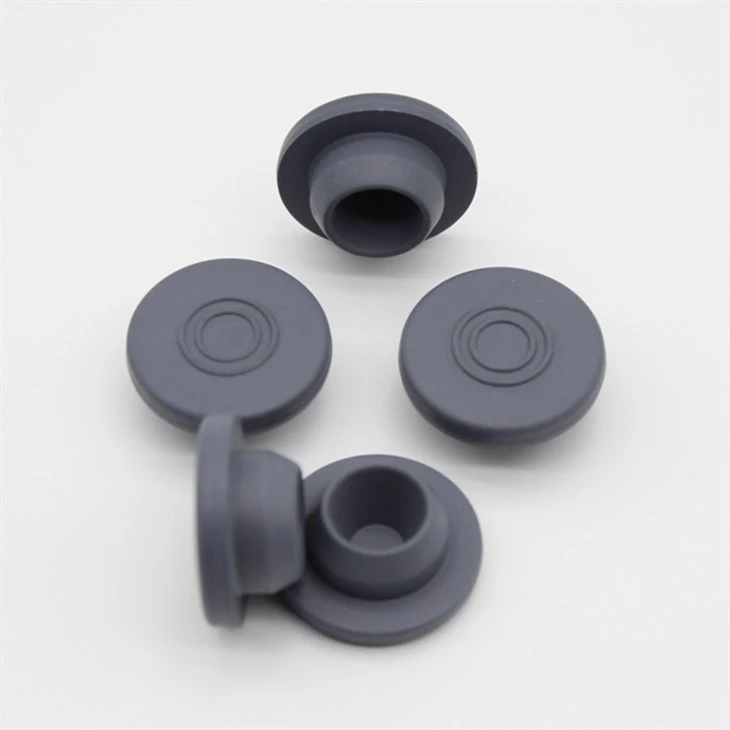
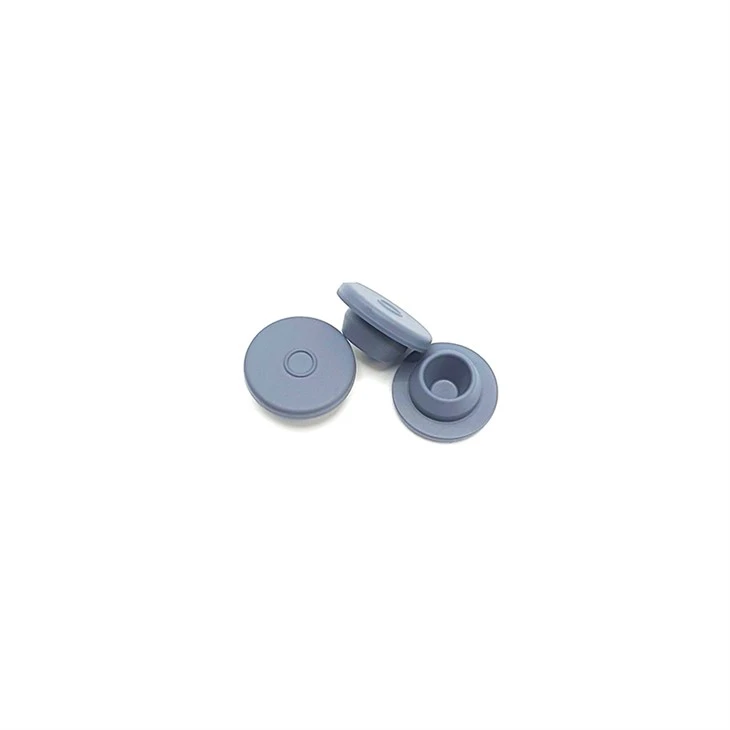
In addition, our products must comply with various regulatory requirements, especially in the pharmaceutical and food industries. For example, rubber stoppers used in pharmaceutical applications must meet the standards set by the United States Pharmacopeia (USP), the European Pharmacopoeia (EP), and other international regulatory bodies. These standards ensure that the rubber stoppers are safe, non - toxic, and do not leach harmful substances into the product they are in contact with.
Applications of 32mm Rubber Stoppers
The 32mm rubber stoppers have a wide range of applications in different industries:
Pharmaceutical Industry
In the pharmaceutical industry, 32mm rubber stoppers are used to seal vials and bottles containing medications, vaccines, and other biological products. They provide a tight seal to prevent the ingress of air, moisture, and contaminants, which can affect the stability and efficacy of the product. Infusion Rubber Stopper is a type of rubber stopper commonly used in infusion bottles to ensure the sterility and safety of the infusion solution.
Laboratory
In laboratories, 32mm rubber stoppers are used to seal test tubes, flasks, and other glassware. They are used to prevent the evaporation of liquids, the entry of contaminants, and to provide a safe and convenient way to handle chemicals and samples.
Chemical Manufacturing
In the chemical manufacturing industry, 32mm rubber stoppers are used to seal containers of chemicals, solvents, and other hazardous materials. They need to be resistant to the chemicals they come into contact with to prevent leakage and ensure the safety of the workers and the environment.
Conclusion
The chemical composition of a 32mm rubber stopper is a complex mixture of base rubber materials and various additives. Each component plays a crucial role in determining the properties and performance of the rubber stopper. As a supplier, we carefully select the materials and additives to ensure that our 32mm rubber stoppers meet the specific requirements of our customers in different industries.
If you are in need of high - quality 32mm rubber stoppers for your pharmaceutical, laboratory, or chemical manufacturing needs, we would be delighted to assist you. Our team of experts can provide you with detailed information about our products, including their chemical composition, properties, and applications. We can also work with you to develop customized solutions to meet your specific requirements. Please feel free to contact us to start a procurement discussion.
References
- ASTM International. (20XX). Standard test methods for rubber properties.
- United States Pharmacopeia (USP). (20XX). General chapter <381> Rubber Closures for Injections.
- European Pharmacopoeia (EP). (20XX). Monograph on Rubber closures for containers for pharmaceutical use.