

Hey there! As a supplier of medicine bottles, I often get asked about the capacity range of common medicine bottles. Well, let me break it down for you in this blog post.
First off, medicine bottles come in a wide variety of capacities to meet different needs. From tiny vials for storing small amounts of potent medications to large bottles for over - the - counter drugs, there's a size for every situation.
Small - Capacity Medicine Bottles
Let's start with the small guys. We've got vials with capacities as low as 1 ml. These 1 Ml Vials are super handy for storing things like essential oils, homeopathic remedies, or small doses of injectable medications. They're usually made of glass because it's inert and won't react with the contents. Glass also provides good protection against light, which can degrade some medications.
Next up, we have 2 ml and 5 ml vials. These are also commonly used for similar purposes as the 1 ml vials but can hold a bit more. They're often used in laboratories for sample storage or in the pharmaceutical industry for trial - sized medications.
Medium - Capacity Medicine Bottles
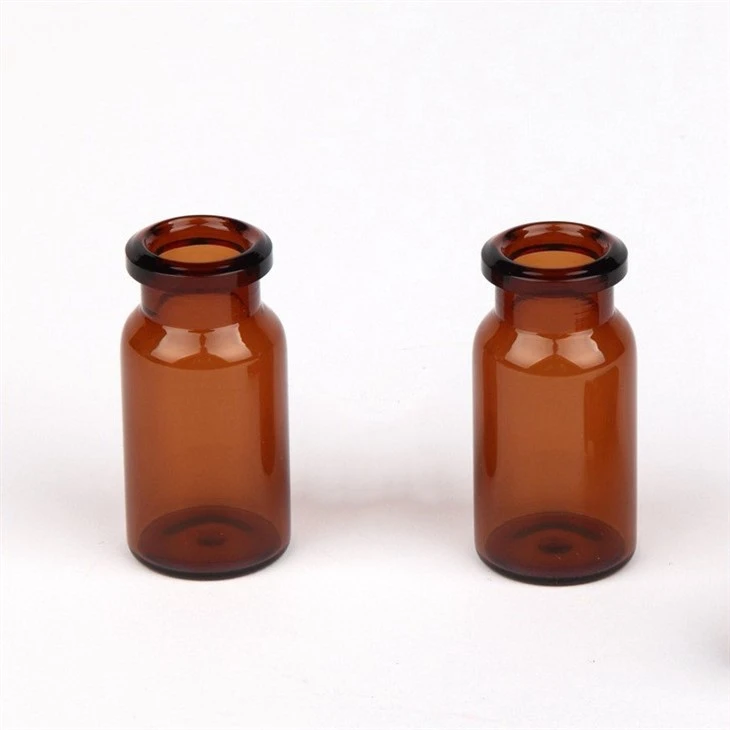
Moving on to the medium - sized bottles, 10 ml is a very common capacity. The 10ml Amber Glass Bottle is a classic. Amber glass is great because it filters out UV light, which helps to preserve the potency of light - sensitive medications. These bottles are often used for liquid medications like cough syrups, tinctures, or small amounts of liquid vitamins.
Then we have 15 ml and 30 ml bottles. These are a bit larger and can hold more of the medication. They're commonly used for things like eye drops, nasal sprays, or small bottles of topical creams. The 30 ml size is also popular for travel - sized medications, as it's small enough to fit in a carry - on but still holds a decent amount of the product.
Large - Capacity Medicine Bottles
When it comes to large - capacity medicine bottles, we're talking about 60 ml, 120 ml, and even 250 ml or more. These bottles are typically used for over - the - counter medications like pain relievers, antacids, or large bottles of cough syrup. They're often made of plastic, which is lightweight and cost - effective. However, glass bottles are still used for some products, especially those that are more sensitive to air or light.
For example, a 60 ml bottle might be used for a small bottle of a popular pain reliever, while a 120 ml or 250 ml bottle could be used for a family - sized container of the same medication. These larger bottles are great for people who need to take the medication regularly or for families who want to have a larger supply on hand.
Special - Consideration Capacity Bottles
There are also some special - consideration capacity bottles. For instance, in the veterinary field, we have bottles with capacities tailored to the needs of different animals. Smaller animals might require medications in 5 ml or 10 ml bottles, while larger animals could need 60 ml or 120 ml bottles.
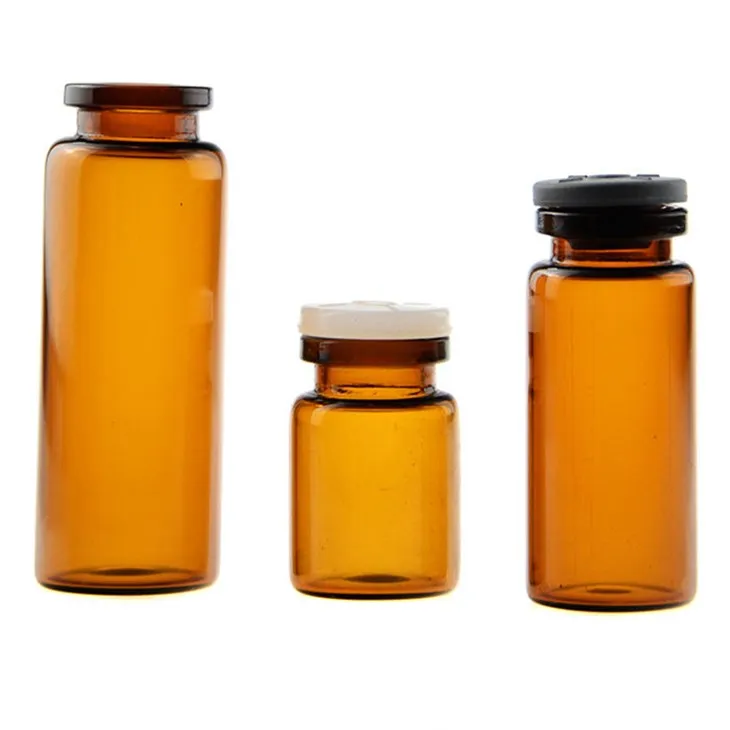
In addition, some medications are dispensed in multi - dose vials. These can have capacities ranging from 10 ml to 50 ml or more, depending on the frequency of use and the dosage requirements.
Choosing the Right Capacity
When it comes to choosing the right capacity for a medicine bottle, there are a few factors to consider. First, you need to think about the amount of medication that will be dispensed. If it's a single - dose medication, a small vial might be sufficient. But if it's a medication that needs to be taken over a longer period, a larger bottle would be more appropriate.
Second, you need to consider the storage and transportation requirements. Smaller bottles are easier to carry around, but larger bottles might be more practical for home use.
Finally, you need to think about the cost. Smaller bottles are generally cheaper to produce, but if you need a large quantity of medication, a larger bottle might be more cost - effective in the long run.
Our Product Range
As a medicine bottle supplier, we offer a wide range of capacities to meet all your needs. Whether you're looking for a tiny 1 ml vial or a large 250 ml bottle, we've got you covered. Check out our Pharmacy Vials and Caps page to see our full product range.
If you're in the market for medicine bottles, we'd love to talk to you. We can help you choose the right capacity and material for your specific needs. Whether you're a pharmaceutical company, a laboratory, or a retailer, we can provide you with high - quality medicine bottles at competitive prices. So, don't hesitate to reach out and start a conversation about your procurement needs.
References
- Pharmaceutical Packaging Handbook, various editions
- Industry reports on medicine bottle manufacturing and usage trends