

Hey there! I'm a supplier of 2ml glass bottles, and I know how crucial it is to ensure that these little guys are defect - free. After all, they're often used for storing precious substances like medications, essential oils, or high - end perfumes. So, in this blog, I'm gonna share some practical ways to check if 2ml glass bottles are in tip - top shape.
Visual Inspection
One of the easiest and first steps is a thorough visual check. You don't need any fancy equipment for this; just good lighting and a keen eye.
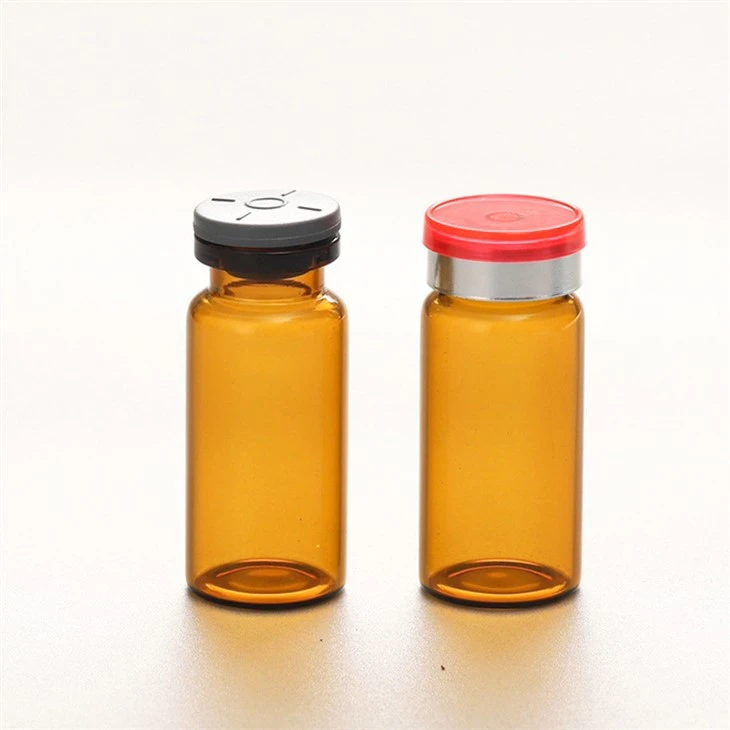
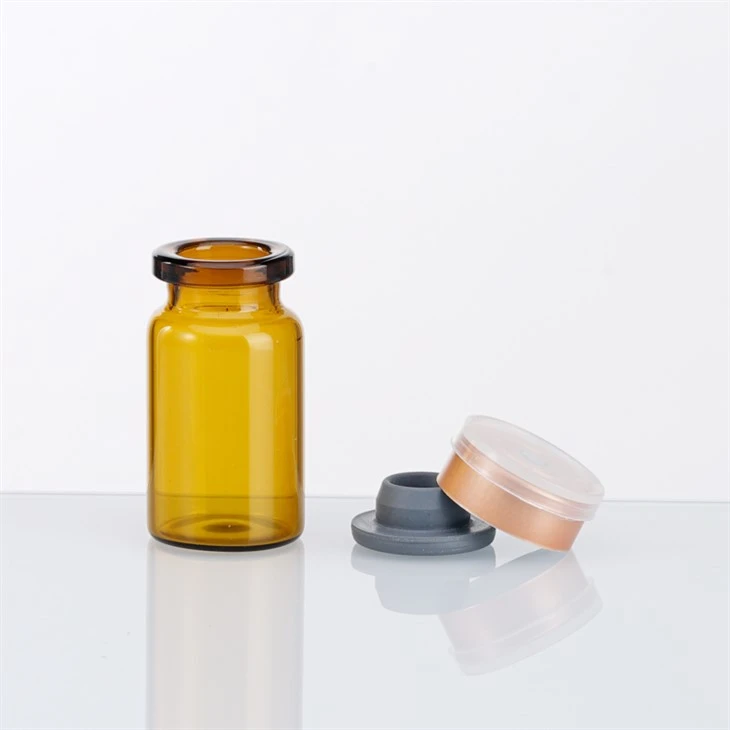
- Examine the exterior: Start by looking at the outside of the bottle. Check for any visible cracks, chips, or scratches. Cracks can compromise the integrity of the bottle and might lead to leakage. Chips at the neck or edges can be dangerous, especially if they're sharp as they could cause injury during handling. Scratches, while sometimes just a cosmetic issue, can also weaken the glass over time.
- Inspect the bottom: The bottom of the bottle is another critical area. Look for unevenness or any signs of stress marks. A wobbly base can cause the bottle to tip over easily, and stress marks might indicate that the bottle could break under normal use.
- Check the transparency: 2ml glass bottles are usually clear, so make sure there are no cloudiness, bubbles, or impurities in the glass. Cloudiness could be a sign of poor manufacturing or a chemical reaction that has occurred during production. Bubbles, especially large ones, can affect the strength of the glass.
Dimensional Check
Getting the dimensions right is super important for 2ml glass bottles, as they need to fit into specific packaging and work with various dispensing systems.
- Measure the height and diameter: Use a caliper to measure the height and diameter of the bottle. These measurements should match the specifications provided. Even a slight deviation can cause problems. For example, if the bottle is too wide, it might not fit into the intended packaging. If it's too tall, it could cause issues in automated filling machines.
- Verify the neck size: The neck of the bottle is where stoppers or caps are placed. Make sure the neck diameter is consistent and within the correct range. An incorrect neck size can lead to leaks or a poor fit for the closure. You can use a specialized neck gauge for this purpose.
Leakage Test
A leakage test is a must - do to ensure that the bottle can hold its contents securely.
- Pressure test: One way to do this is by using a pressure chamber. Place the bottle, filled with a liquid (usually water for testing purposes), inside the chamber. Increase the pressure gradually. If there are any leaks, you'll see bubbles forming around the bottle. This test can simulate real - world conditions where the bottle might be subjected to changes in pressure, like during transportation.
- Dye test: Another method is the dye test. Fill the bottle with a colored dye solution and let it sit for a while. Then, carefully wipe the outside of the bottle. If there are any leaks, the dye will leave a visible stain on the outside. This test is great for detecting small, hard - to - spot leaks.
Strength Test
2ml glass bottles need to be strong enough to withstand normal handling and transportation.
- Drop test: Drop the bottle from a specified height onto a hard surface. The height and surface material should be consistent with industry standards. If the bottle breaks upon impact, it might not be strong enough. However, keep in mind that this test is destructive, so you can't use the tested bottle for actual production.
- Compression test: Use a compression machine to apply pressure to the bottle. Gradually increase the pressure until the bottle breaks or shows signs of deformation. This test can help you determine the maximum pressure the bottle can withstand, which is important for stacking and shipping.
Closure Compatibility
The closure of the 2ml glass bottle is just as important as the bottle itself.
- Fit test: Try different types of closures, such as rubber stoppers or screw caps, on the bottle. Make sure they fit snugly and don't come off easily. You can also check for any signs of leakage around the closure area after applying a little pressure.
- Seal integrity: For closures like rubber stoppers, check the seal integrity. A good seal should prevent air and moisture from entering the bottle. You can use a vacuum test for this. Place the capped bottle in a vacuum chamber and see if there are any signs of air leakage.
Now, I know you might be thinking about other types of glass bottles we offer. If you're interested in Medical Bottles with Rubber Stopper, we've got a great selection. These bottles are perfect for storing medications and come with reliable rubber stoppers for a tight seal.
We also have Glass Medical Vials. These vials are made of high - quality glass and are designed to meet the strict requirements of the medical industry.
And if you need a larger size, our 10ml Medicine Bottle is a great option. It's sturdy and can hold a decent amount of liquid.
If you're in the market for 2ml glass bottles or any of our other products, don't hesitate to reach out for a procurement discussion. We're always happy to talk about your specific needs and how we can meet them.
References
- ASTM International standards for glass container testing
- ISO guidelines for medical glass packaging
So, that's it for today's blog. I hope these tips on checking for defects in 2ml glass bottles are helpful. Until next time!