

Quality control measures for medical vials are of utmost importance in the pharmaceutical and medical industries. As a medical vial supplier, we understand the critical role these vials play in ensuring the safety and efficacy of medications and medical products. In this blog post, we will explore the various quality control measures we implement to guarantee the highest standards for our medical vials.
Raw Material Inspection
The quality of medical vials begins with the selection of raw materials. We source high - quality glass or plastic materials from trusted suppliers. For glass vials, we specifically look for materials that are resistant to chemical corrosion, have appropriate thermal stability, and can withstand sterilization processes.
Before the manufacturing process starts, we conduct a thorough inspection of the raw materials. This includes checking for impurities, such as foreign particles or inclusions in the glass. We use advanced optical inspection systems to detect any visible defects in the raw glass. For plastic vials, we test the material's mechanical properties, such as tensile strength and flexibility, to ensure it meets the required standards.
Manufacturing Process Control
During the manufacturing of medical vials, we have strict process control measures in place. Our production facilities are equipped with state - of - the - art machinery that is regularly calibrated and maintained.
For glass vial production, the melting and molding processes are carefully monitored. The temperature, pressure, and speed of the machinery are adjusted precisely to ensure consistent vial dimensions and wall thickness. We have in - line sensors that continuously measure these parameters and send real - time data to our control systems. If any deviation from the set standards is detected, the production process is immediately halted, and corrective actions are taken.
In the case of plastic vial manufacturing, the injection molding process is closely supervised. The plastic resin is heated to the optimal temperature and injected into the molds with controlled pressure. We also monitor the cooling process to prevent warping or other defects in the vials.
Dimensional Accuracy
Accurate dimensions of medical vials are crucial for proper fitting with closures, compatibility with filling equipment, and storage in medical devices. We use high - precision measuring tools, such as calipers and micrometers, to measure the vial's diameter, height, and wall thickness at multiple points during the production process.
Our quality control team takes random samples from each production batch and conducts detailed dimensional inspections. If a vial does not meet the specified dimensional tolerances, it is rejected. This strict adherence to dimensional accuracy ensures that our medical vials are compatible with a wide range of medical equipment and closures. For example, our 20ml Amber Glass Bottle is manufactured with extremely tight dimensional tolerances to ensure it can be used effectively in various medical applications.
Visual Inspection
Visual inspection is a fundamental part of our quality control process. Trained inspectors visually examine each medical vial for surface defects, such as scratches, cracks, or bubbles. We use bright lighting and magnifying tools to detect even the smallest imperfections.
Any vial with a visible defect is removed from the production line. This visual inspection is done at multiple stages of the manufacturing process, from the initial molding to the final packaging. By eliminating vials with surface defects, we ensure that our products have a professional appearance and are less likely to cause issues during handling or use.
Chemical Resistance
Medical vials must be chemically resistant to protect the integrity of the medications or medical products they contain. We conduct chemical resistance tests on our vials using a variety of substances commonly used in the pharmaceutical industry.
For glass vials, we test their resistance to acids, bases, and organic solvents. The vials are exposed to these chemicals for a specified period, and then we examine them for any signs of corrosion or chemical reaction. Plastic vials are also tested for their chemical compatibility with different drugs and solutions.
Our Medical Vial products are designed to have excellent chemical resistance, ensuring that the contents remain stable and effective throughout their shelf - life.
Sterility Assurance
Sterility is a non - negotiable requirement for medical vials used in injectable medications and other sterile products. We have multiple sterilization methods available, including autoclaving, gamma irradiation, and ethylene oxide sterilization.
Before and after the sterilization process, we perform sterility testing. Samples from each batch are sent to our in - house or external laboratories for microbiological analysis. The vials are incubated under specific conditions, and any growth of microorganisms is detected. If a batch fails the sterility test, it is completely rejected, and the entire sterilization process is re - evaluated.
Closure Compatibility
The closure of a medical vial is just as important as the vial itself. A proper closure ensures the sterility and integrity of the contents. We test the compatibility of our vials with different types of closures, such as rubber stoppers and aluminum seals.
We check for proper sealing, leakage prevention, and ease of opening and closing. Our quality control team conducts leakage tests by subjecting the sealed vials to different pressures and environmental conditions. If a vial shows any signs of leakage, the closure or the vial - closure combination is re - evaluated and improved.
Batch Testing and Traceability
Each production batch of medical vials is assigned a unique batch number. We keep detailed records of all the quality control tests performed on each batch, including raw material inspection results, dimensional measurements, chemical resistance tests, and sterility testing reports.
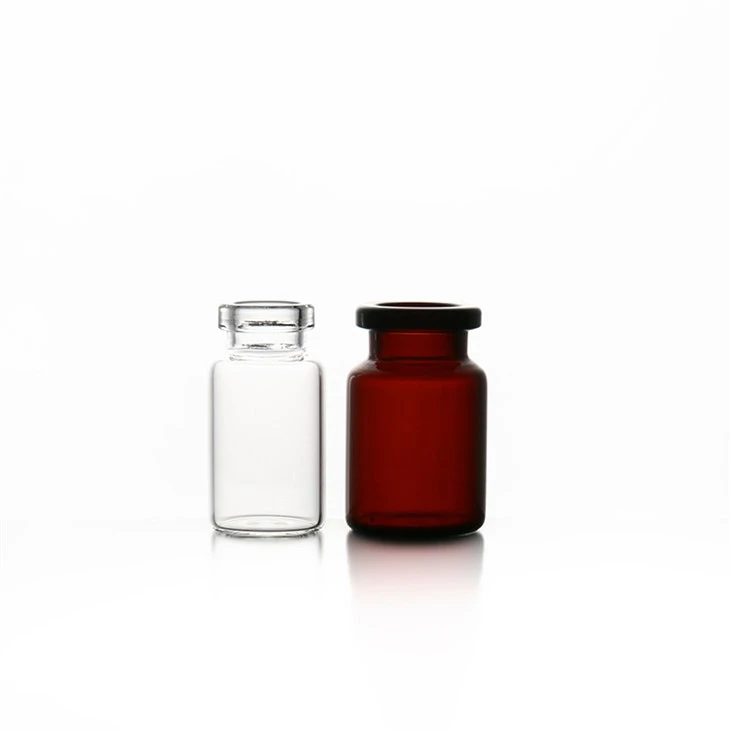

This batch - specific data allows us to trace the origin of any vial and provides valuable information in case of quality issues or product recalls. Our A Vial products are also subject to this rigorous batch testing and traceability system, ensuring full transparency and accountability.
Final Packaging Inspection
Before shipping our medical vials to customers, we conduct a final packaging inspection. The vials are carefully packed in appropriate containers to prevent damage during transportation. We check for proper labeling, including batch numbers, expiration dates, and handling instructions.
The packaging materials are also inspected for quality and integrity. If any issues are found with the packaging, the vials are repacked or the packaging materials are replaced.
Conclusion
As a medical vial supplier, we are committed to providing our customers with the highest - quality products. Our comprehensive quality control measures, from raw material inspection to final packaging, ensure that our medical vials meet the strictest industry standards.
If you are in the market for high - quality medical vials, we invite you to contact us. We are ready to discuss your specific requirements and provide you with the best solutions for your medical packaging needs. Let's start a conversation about how our medical vials can meet your quality and performance expectations.
References
- "Pharmaceutical Packaging Technology" by Patrick Coates
- "Handbook of Glass Manufacturing" by P. K. Gupta
- "Plastic Packaging: Properties, Processing, Applications, and Regulations" by Donald G. Baird and D. H. Calhoun