

The process of filling drugs into medical vials is a critical and highly regulated aspect of the pharmaceutical industry. As a dedicated medical vial supplier, I have witnessed firsthand the importance of precision, sterility, and efficiency in this process. In this blog, I will delve into the various steps involved in drug filling, the technologies used, and the quality control measures in place to ensure the safety and efficacy of pharmaceutical products.
Pre - filling Preparation
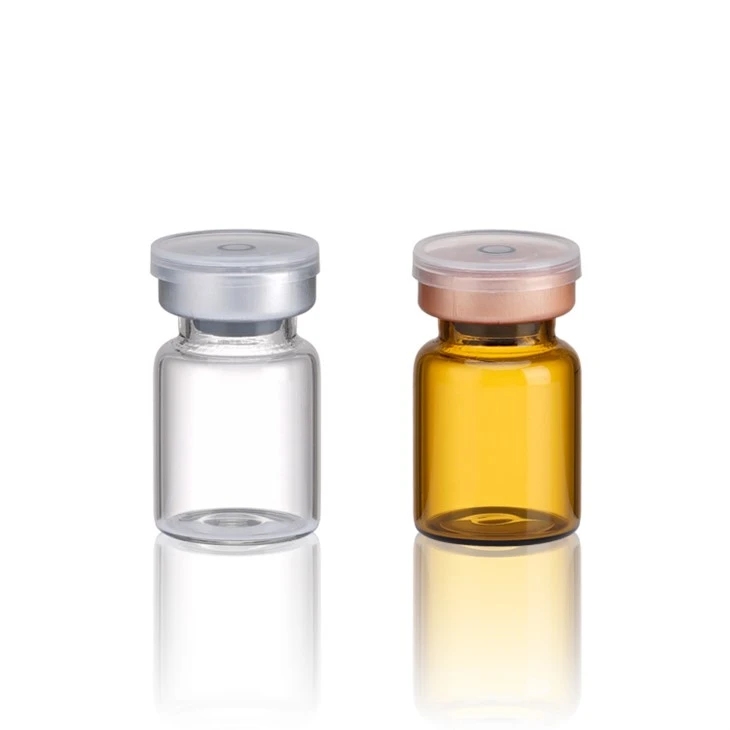
Before the actual filling of drugs into medical vials, a series of preparatory steps are essential. First and foremost, the vials themselves must be carefully selected and prepared. At our company, we offer a wide range of medical vials, including the Amber Medicine Glass Bottle, which provides excellent protection against light, a crucial factor for many photosensitive drugs.
The vials are typically made from high - quality glass, such as borosilicate glass, which has excellent chemical resistance and thermal stability. These vials are thoroughly cleaned and sterilized to remove any contaminants, such as dust, microbes, or chemical residues. Cleaning processes often involve multiple steps, including washing with detergents, rinsing with purified water, and then subjecting the vials to high - temperature sterilization, such as dry heat sterilization or steam sterilization.
The drugs to be filled also need to be prepared. They are usually formulated into a suitable dosage form, such as a solution, suspension, or powder. The formulation process must be carefully controlled to ensure the correct concentration, pH, and stability of the drug. Any impurities or degradation products must be minimized to meet the strict quality standards of the pharmaceutical industry.
Filling Technologies
There are several technologies available for filling drugs into medical vials, each with its own advantages and applications.

Volumetric Filling
Volumetric filling is one of the most common methods. It involves measuring a specific volume of the drug solution or suspension and transferring it into the vial. This can be achieved using various types of volumetric pumps, such as peristaltic pumps or piston pumps. Peristaltic pumps work by squeezing a flexible tube to move the fluid, while piston pumps use a reciprocating piston to draw in and expel the fluid. Volumetric filling is relatively simple and cost - effective, and it can achieve high accuracy for liquid drugs.
Weight - based Filling
For some drugs, especially those in powder form or when high precision is required, weight - based filling is preferred. In this method, the vial is first weighed, and then the drug is added until a specific target weight is reached. This is typically done using a highly sensitive weighing scale and an automated dosing system. Weight - based filling can compensate for variations in the density of the drug, ensuring that each vial contains the exact amount of the active ingredient.
Aseptic Filling
Aseptic filling is crucial for drugs that are sensitive to microbial contamination, such as injectable drugs. In an aseptic filling process, the entire filling environment is maintained under strict sterile conditions. The vials, the drug product, and all the equipment in contact with the drug are sterilized. The filling operation is carried out in a laminar flow hood or an isolator, which provides a clean and sterile working area. Specialized aseptic filling machines are used, which are designed to minimize the risk of microbial ingress during the filling process.
Stoppering and Sealing
Once the drug has been filled into the vial, the next step is to stopper and seal the vial to prevent leakage, contamination, and evaporation.
The stopper is typically made of rubber or elastomeric material and is designed to provide a tight seal. It is inserted into the vial opening using a stopper insertion machine. The stopper insertion process must be carefully controlled to ensure proper seating and sealing. After the stopper is in place, a sealing cap or aluminum overseal is applied to further secure the stopper and provide additional protection.
The sealing process can be done using various methods, such as crimping for aluminum overseals or heat - sealing for plastic caps. The quality of the seal is critical, as it can affect the stability and shelf - life of the drug product.
Quality Control
Quality control is an integral part of the drug filling process. At every stage, from the preparation of the vials and drugs to the final filled and sealed vials, strict quality control measures are implemented.
Visual inspection is one of the most basic quality control steps. Trained operators or automated inspection systems are used to check for any visible defects in the vials, such as cracks, chips, or foreign particles. The fill volume or weight of each vial is also checked to ensure that it meets the specified requirements.
In addition to visual inspection, more advanced analytical techniques are used to assess the quality of the filled vials. For example, high - performance liquid chromatography (HPLC) can be used to analyze the purity and concentration of the drug, while microbial testing can be carried out to detect any microbial contamination.
Post - filling Handling
After the filled vials have passed the quality control checks, they are ready for further processing and distribution. They are typically labeled with important information, such as the drug name, dosage, expiration date, and batch number. The labeled vials are then packaged into suitable containers, such as cartons or trays, for storage and transportation.
Proper storage conditions are crucial to maintain the stability of the drug product. The vials should be stored at the recommended temperature, humidity, and light conditions. For example, some drugs need to be stored in the refrigerator, while others can be stored at room temperature.
The Role of a Medical Vial Supplier
As a medical vial supplier, we play a vital role in the drug filling process. We provide high - quality vials that meet the strict requirements of the pharmaceutical industry. Our A Vial and Glass Vial products are designed to ensure the integrity and safety of the drug during storage and transportation.
We work closely with pharmaceutical manufacturers to understand their specific needs and provide customized solutions. We also keep up - to - date with the latest technologies and regulations in the industry to ensure that our products are always at the forefront of quality and innovation.
Conclusion
The process of filling drugs into medical vials is a complex and highly regulated process that requires precision, sterility, and strict quality control. From the pre - filling preparation to the post - filling handling, every step is crucial to ensure the safety and efficacy of the drug product. As a medical vial supplier, we are committed to providing the best - in - class vials and supporting the pharmaceutical industry in delivering high - quality drugs to patients.
If you are in the pharmaceutical industry and are looking for a reliable medical vial supplier, we would be delighted to discuss your requirements. Contact us today to start a conversation about how we can meet your specific needs and contribute to the success of your drug products.
References
- Pharmaceutical Manufacturing Handbook: Production and Processes. Edited by S. K. Nema, R. J. Avis, and L. A. Lieberman.
- Aseptic Processing and Packaging of Pharmaceuticals. By D. J. Corrigan and P. H. Denyer.
- Good Manufacturing Practices for Pharmaceuticals. International standards and guidelines.