

Hey there! As a pharmaceutical cap supplier, I've been in the game for quite some time now, and I know a thing or two about what makes a good - quality pharmaceutical cap. In the world of pharmaceuticals, where the safety and integrity of the product are of utmost importance, the cap that seals the vial or container is not just an afterthought. It’s a crucial component that can make or break the quality of the drug inside. So, let's dive in and look at the features that set a top - notch pharmaceutical cap apart.
1. Sealing Properties
First and foremost, a good - quality pharmaceutical cap needs to have excellent sealing properties. The primary function of a cap is to prevent any external contaminants, such as air, moisture, or microorganisms, from getting into the container. This is vital because exposure to these elements can degrade the quality of the pharmaceutical product, reducing its effectiveness or even rendering it unsafe for use.
A hermetic seal is often a must - have. Hermetic seals are airtight and watertight, which means they create a barrier that protects the drug from the environment. For example, in the case of injectable drugs, a cap with a hermetic seal ensures that the sterility of the product is maintained from the moment it’s manufactured until it’s administered to the patient.
Another aspect of sealing is the cap’s ability to maintain its seal over time. Pharmaceutical products can have long shelf - lives, sometimes several years. The cap needs to withstand the test of time and various environmental conditions without losing its sealing ability. Caps made from high - quality materials, such as certain types of plastics or metals, are more likely to provide long - term sealing. Check out our Cap for Vials on our website, which are designed with superior sealing properties to protect your valuable pharmaceuticals.
2. Compatibility with the Pharmaceutical Product
Not all pharmaceutical products are the same, and neither should their caps be. A good - quality cap needs to be compatible with the specific drug it’s intended to seal. Different drugs have different chemical compositions, and some may be reactive with certain materials. For instance, acidic or alkaline drugs may corrode some types of metals or react with certain plastics, which could contaminate the drug or cause changes in its chemical properties.
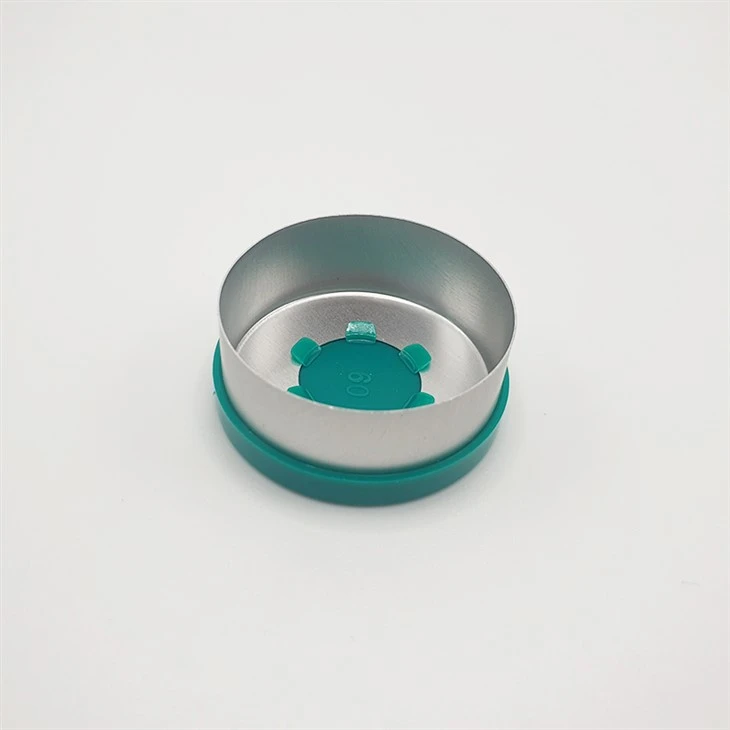
When selecting a cap for a particular pharmaceutical product, it’s essential to consider factors such as the drug’s pH level, its solubility, and its potential for chemical reactions. Some drugs may require caps made from chemically resistant materials, like fluoropolymers, to ensure compatibility. Our Aluminum Plastic Vial Cap is a great example of a cap that is designed to be compatible with a wide range of pharmaceutical products, offering a reliable and safe solution for your packaging needs.
3. Ease of Use
In a healthcare setting, time is often of the essence, and ease of use is a crucial factor for pharmaceutical caps. Those who administer the drugs, whether it’s nurses, doctors, or patients themselves, need to be able to open and close the caps quickly and easily without any special tools or excessive force.
Caps should have a user - friendly design. For example, flip - top caps are popular because they can be easily opened with one hand, which is particularly useful in situations where a healthcare provider may be holding other medical equipment at the same time. Twist - off caps also offer a simple and effective way to access the contents of the container. Our 32mm Aluminum Plastic Flip Caps are designed with ease of use in mind, making them a great choice for both healthcare professionals and patients.
4. Safety Features
Safety is a top priority in the pharmaceutical industry. A good - quality pharmaceutical cap should have built - in safety features to prevent accidental or unauthorized access to the product. This is especially important for medications that can be dangerous if misused or ingested by children.
Child - resistant caps are a common safety feature. These caps are designed in such a way that they require a specific combination of motions, such as pushing down and twisting, to open. This makes it difficult for young children to access the medication without adult supervision. Tamper - evident features are also crucial. Tamper - evident caps have a seal or indicator that shows if the cap has been opened or tampered with. This gives consumers and healthcare providers confidence in the integrity of the product.
5. Durability
Pharmaceutical caps go through a lot. They are subjected to handling during manufacturing, transportation, and storage. A good - quality cap needs to be durable enough to withstand these various stresses without breaking or deforming.
During the manufacturing process, caps may be tightened onto vials or containers using automated machinery. This requires the caps to have sufficient strength to handle the pressure without cracking or splitting. During transportation, caps need to withstand vibrations, impacts, and changes in temperature and humidity. And during storage, they need to remain intact for the entire shelf - life of the product.
Caps made from high - strength materials and with proper design and construction are more likely to be durable. For example, caps with reinforced structures or thicker walls are generally more resistant to damage. At our company, we focus on using high - quality materials and advanced manufacturing techniques to ensure the durability of our pharmaceutical caps.

6. Regulatory Compliance
The pharmaceutical industry is highly regulated, and caps used for pharmaceutical products must comply with various regulations and standards. These regulations are in place to ensure the safety and quality of the drugs.
One of the most important regulations is the requirement for caps to be made from materials that are approved for use in contact with pharmaceuticals. Regulatory bodies, such as the Food and Drug Administration (FDA) in the United States, have strict guidelines regarding the materials that can be used in pharmaceutical packaging. Caps must also meet standards related to labeling, tamper - evidence, and child - resistance.
As a reputable pharmaceutical cap supplier, we make sure that all our products comply with the relevant regulations and standards. This gives our customers peace of mind knowing that they are using caps that meet the highest quality and safety requirements.
7. Aesthetic Appeal
While the functionality of a pharmaceutical cap is the most important factor, aesthetic appeal also plays a role. In a competitive market, the appearance of the product can influence a consumer’s perception. A well - designed and visually appealing cap can enhance the overall packaging of the pharmaceutical product, making it more attractive on the shelves.
Caps can be customized in terms of color, shape, and branding. This allows pharmaceutical companies to differentiate their products from others and create a unique brand image. For example, a distinctive cap color or logo can make a product more recognizable. At our company, we offer customization options for our caps, so you can create a cap that fits the look and feel of your brand.
If you're in the market for high - quality pharmaceutical caps that meet all these features and more, we'd love to hear from you. Whether you're a pharmaceutical manufacturer, a distributor, or involved in any aspect of the industry, we can provide you with the best caps for your needs. Contact us to start a dialogue about your specific requirements and let's work together to ensure the safety and quality of your pharmaceutical products.
References
- FDA - Guidelines for Pharmaceutical Packaging.
- International Organization for Standardization (ISO) standards related to pharmaceutical packaging.
- Current literature on pharmaceutical packaging technology and materials science.