

Labeling a medical vial for a research project is a critical step that requires precision, accuracy, and adherence to strict guidelines. As a medical vial supplier, I understand the importance of proper labeling in ensuring the safety, integrity, and traceability of the samples and substances stored within these vials. In this blog post, I will share some essential tips and best practices on how to label a medical vial effectively for a research project.
Understanding the Purpose of Labeling
Before delving into the specifics of labeling, it is crucial to understand the purpose behind it. Labeling serves several key functions in a research project:
- Identification: Labels provide clear and concise information about the contents of the vial, including the name of the sample, the date of collection, the source, and any relevant identifiers. This helps researchers quickly and accurately identify the vials they need for their experiments.
- Safety: Proper labeling ensures that researchers are aware of the potential hazards associated with the contents of the vial. Labels may include warnings about toxic substances, biohazards, or other safety concerns, helping to prevent accidents and ensure the well-being of laboratory personnel.
- Traceability: Labels enable researchers to track the history and movement of the samples throughout the research project. This is particularly important for quality control, regulatory compliance, and data management purposes.
- Documentation: Labels serve as a permanent record of the information associated with the vial. This documentation can be used for future reference, publication, or legal purposes.
Choosing the Right Labeling Materials
The choice of labeling materials is crucial to ensure the durability and legibility of the labels. Here are some factors to consider when selecting labeling materials for medical vials:
- Adhesive Quality: The label should have a strong adhesive that can withstand the storage conditions and handling of the vials. It should adhere firmly to the vial surface without peeling or coming off over time.
- Chemical Resistance: The label should be resistant to the chemicals and solvents that may come into contact with the vial. This is particularly important for vials containing corrosive or reactive substances.
- Temperature Resistance: The label should be able to withstand the temperature variations during storage and transportation. It should not fade, warp, or become illegible under extreme temperature conditions.
- Legibility: The label should have clear and legible text that can be easily read from a distance. The font size, style, and color should be chosen to ensure maximum visibility.
- Durability: The label should be durable enough to withstand the wear and tear of handling, storage, and transportation. It should not smudge, scratch, or become damaged easily.
Some common labeling materials used for medical vials include polyester, polypropylene, and vinyl. These materials offer excellent chemical and temperature resistance, as well as good adhesive properties. They are also available in a variety of colors and finishes to meet different labeling requirements.
Designing the Label
The design of the label should be clear, concise, and informative. Here are some tips on how to design an effective label for medical vials:
- Include Essential Information: The label should include all the essential information about the vial, such as the sample name, date of collection, source, batch number, and any relevant identifiers. It may also include additional information, such as the concentration, storage conditions, and expiration date.
- Use a Standard Format: To ensure consistency and ease of use, it is recommended to use a standard format for all the labels in the research project. This can include the placement of the information, the font size and style, and the use of symbols and icons.
- Keep it Simple: The label should be simple and easy to read. Avoid using too much text or complex graphics that may make the label difficult to understand.
- Use Barcodes or QR Codes: Barcodes or QR codes can be used to encode the information on the label, making it easier to scan and track the samples using automated systems. This can improve the efficiency and accuracy of data management in the research project.
- Test the Label Design: Before printing the labels, it is recommended to test the label design on a sample vial to ensure that it is legible and adheres properly to the vial surface. This can help to identify any potential issues and make any necessary adjustments before printing a large batch of labels.
Printing the Labels
Once the label design is finalized, the next step is to print the labels. Here are some tips on how to print labels for medical vials:
- Use a High-Quality Printer: The printer should be able to produce high-quality, clear, and sharp labels. It should have a high resolution and be able to print on the chosen labeling material.
- Choose the Right Ink: The ink should be compatible with the labeling material and should be resistant to fading, smudging, and scratching. It should also be able to withstand the storage conditions and handling of the vials.
- Print in Batch: To ensure consistency and efficiency, it is recommended to print the labels in batch. This can help to reduce the printing time and cost, as well as minimize the risk of errors.
- Check the Print Quality: Before applying the labels to the vials, it is important to check the print quality to ensure that the labels are legible and free of any defects. Any labels with printing errors or defects should be discarded and reprinted.
Applying the Labels
The proper application of the labels is crucial to ensure their durability and legibility. Here are some tips on how to apply labels to medical vials:
- Clean the Vial Surface: Before applying the label, the vial surface should be clean and dry. Any dirt, dust, or moisture on the vial surface can affect the adhesion of the label.
- Align the Label Properly: The label should be aligned properly on the vial surface to ensure that it is straight and centered. This can be done using a ruler or a template.
- Apply the Label Smoothly: The label should be applied smoothly to the vial surface without any wrinkles or bubbles. This can be done by starting at one end of the label and gradually pressing it down onto the vial surface.
- Remove Any Air Bubbles: If there are any air bubbles trapped under the label, they should be removed by gently pressing on the label with a flat object, such as a credit card or a ruler.
- Allow the Label to Dry: After applying the label, it should be allowed to dry completely before handling the vial. This can take several minutes to several hours, depending on the type of adhesive and the environmental conditions.
Maintaining the Labels
Once the labels are applied to the vials, it is important to maintain their durability and legibility. Here are some tips on how to maintain the labels on medical vials:
- Store the Vials Properly: The vials should be stored in a cool, dry, and dark place to prevent the labels from fading, peeling, or becoming illegible. They should also be protected from direct sunlight, heat, and moisture.
- Handle the Vials Carefully: The vials should be handled carefully to avoid scratching or damaging the labels. They should be held by the body of the vial, rather than by the label, to prevent the label from being rubbed off.
- Inspect the Labels Regularly: The labels should be inspected regularly to ensure that they are still legible and intact. Any labels that are faded, peeling, or damaged should be replaced immediately.
- Update the Labels as Needed: If there are any changes to the information associated with the vial, such as the sample name, date of collection, or batch number, the labels should be updated accordingly. This can be done by applying a new label over the old one or by using a label correction tape.
Conclusion
Labeling a medical vial for a research project is a critical step that requires careful planning, attention to detail, and adherence to strict guidelines. By choosing the right labeling materials, designing the label effectively, applying the label properly, and maintaining the label over time, you can ensure the durability and legibility of the labels, as well as the safety, integrity, and traceability of the samples.

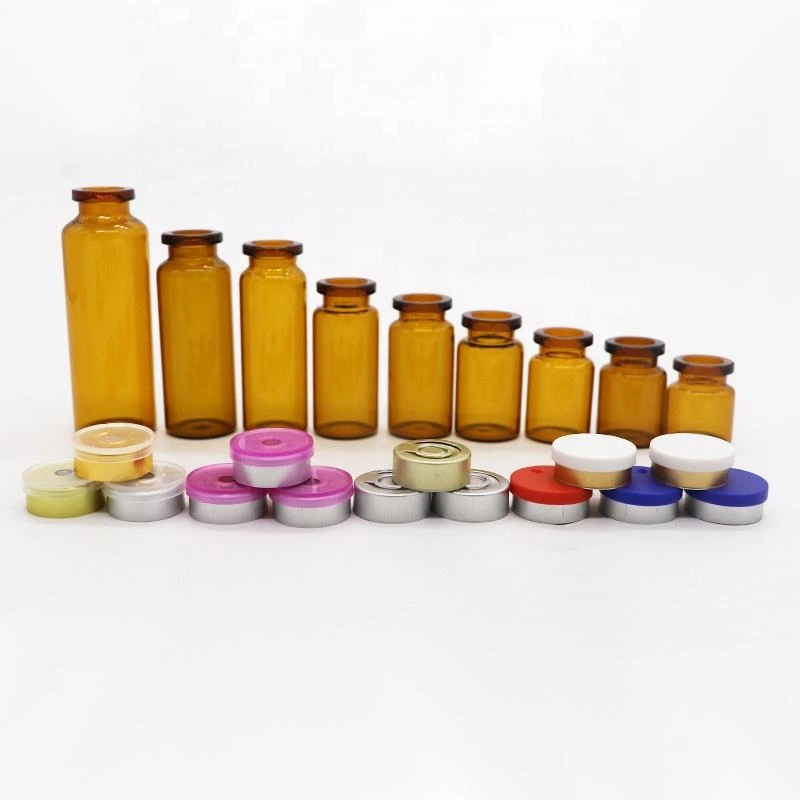
At our company, we offer a wide range of Clear Medicine Bottle, Small Medicine Bottle, and 15ml Glass Bottle that are suitable for various research applications. We also provide custom labeling services to meet your specific labeling requirements. If you have any questions or need further information about our products or services, please do not hesitate to contact us. We look forward to working with you on your next research project.
References
- American Society for Testing and Materials (ASTM). (2019). Standard Practice for Labeling Medical Devices. ASTM F2998-19.
- International Organization for Standardization (ISO). (2019). Medical devices - Labeling for medical devices and related products. ISO 15223-1:2016.
- U.S. Food and Drug Administration (FDA). (2020). Guidance for Industry and FDA Staff: Labeling for Human Prescription Drug and Biological Products - Content and Format.