

As a supplier of blue glass bottles, I've always been enthusiastic about promoting the advantages of our products. Blue glass bottles are often lauded for their ability to block certain wavelengths of light, especially ultraviolet (UV) rays, which can be beneficial for preserving the contents inside. However, like any product, blue glass bottles also have their drawbacks. In this blog post, I'll delve into the disadvantages of using blue glass bottles, providing a balanced perspective for potential customers.
High Production Cost
One of the most significant disadvantages of blue glass bottles is the high production cost. The process of manufacturing blue glass involves adding specific pigments to the glass mixture to achieve the characteristic blue color. These pigments are often expensive and can significantly increase the overall cost of production. Additionally, the production of blue glass requires precise control of the manufacturing process to ensure the desired color and quality are achieved. Any deviation from the optimal conditions can result in inconsistent color or quality, leading to additional costs for rework or rejection of defective products.
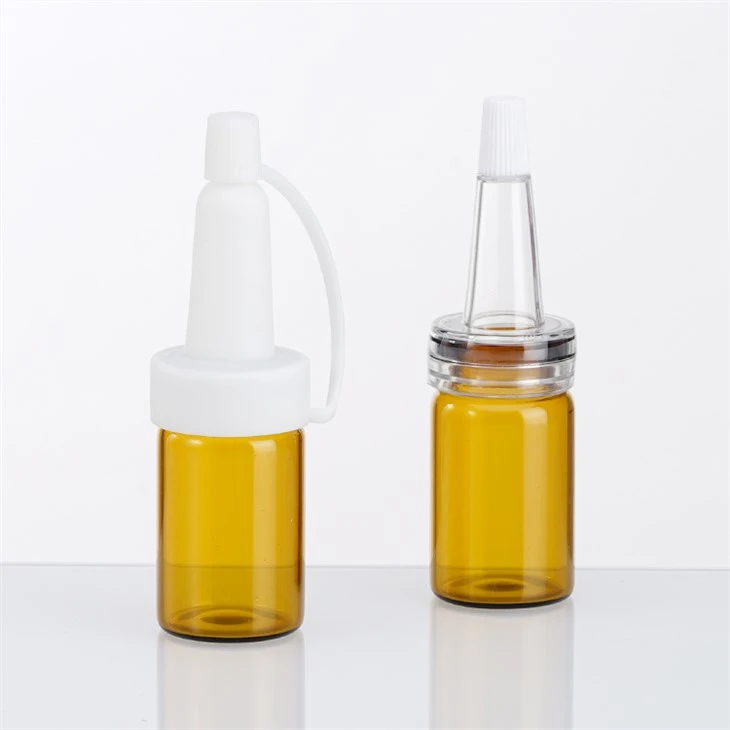
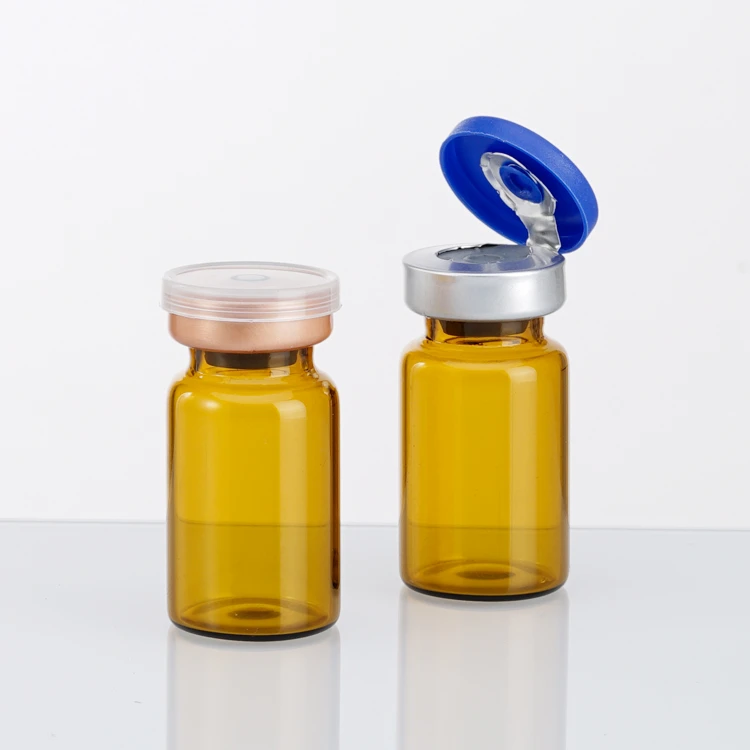
The high production cost of blue glass bottles is then passed on to the customers, making them more expensive compared to other types of glass bottles. This can be a significant deterrent for businesses, especially those operating on a tight budget or in highly competitive markets. For example, small-scale pharmaceutical companies or startups may find it difficult to afford blue glass bottles for their products, especially when there are more cost-effective alternatives available.
Limited Light Protection
While blue glass bottles are known for their ability to block UV rays, they may not provide complete protection against all types of light. Blue glass primarily filters out UV light in the shorter wavelength range, but it may not be as effective in blocking longer wavelength UV light or visible light. This means that certain light-sensitive substances may still be at risk of degradation or spoilage when stored in blue glass bottles.
For instance, some medications or chemicals may be sensitive to visible light, which can cause them to break down or lose their potency over time. In such cases, blue glass bottles may not offer sufficient protection, and alternative packaging solutions, such as amber glass bottles or opaque containers, may be more appropriate. Amber glass is known for its superior light-blocking properties, as it can filter out a wider range of UV and visible light, providing better protection for light-sensitive contents.
Fragility
Glass is a brittle material, and blue glass bottles are no exception. They are more prone to breakage compared to other types of packaging materials, such as plastic or metal. This fragility can pose several challenges during transportation, storage, and handling.
During transportation, blue glass bottles are at risk of being damaged due to vibrations, impacts, or rough handling. Even minor collisions or drops can cause the bottles to crack or shatter, resulting in product loss and potential safety hazards. In addition, the fragility of blue glass bottles can make them more difficult to store and stack, as they require careful handling to prevent breakage.
The risk of breakage also increases the cost of packaging and shipping. To protect the blue glass bottles during transit, additional packaging materials, such as cushioning and protective layers, may be required. These additional materials add to the overall cost of the product and can also increase the environmental impact of the packaging.
Recycling Challenges
Recycling is an important aspect of sustainable packaging, but blue glass bottles can present some challenges in this regard. The recycling process for blue glass is more complex compared to clear glass, as the blue pigment needs to be removed or separated from the glass during the recycling process. This requires specialized equipment and processes, which can increase the cost and energy consumption of recycling.
In addition, the availability of recycling facilities for blue glass may be limited in some areas. This can make it difficult for businesses to recycle their blue glass bottles, leading to increased waste generation and environmental impact. As a result, some businesses may choose to dispose of their blue glass bottles in landfills, which is not a sustainable solution.
Heavy Weight
Blue glass bottles are generally heavier than other types of packaging materials, such as plastic or aluminum. This can have several implications for businesses, including increased shipping costs and environmental impact.
The weight of blue glass bottles adds to the overall weight of the product, which can increase the shipping costs. Shipping companies typically charge based on the weight and volume of the package, so heavier blue glass bottles can result in higher shipping fees. This can be a significant cost factor for businesses, especially those that ship large quantities of products.
In addition, the heavy weight of blue glass bottles also increases the energy consumption and carbon emissions associated with transportation. More fuel is required to transport heavier packages, which contributes to environmental pollution and climate change. As businesses become more conscious of their environmental impact, the heavy weight of blue glass bottles may become a deterrent for some customers.
Conclusion
Despite the many advantages of blue glass bottles, such as their ability to block UV rays and their aesthetic appeal, they also have several disadvantages that need to be considered. The high production cost, limited light protection, fragility, recycling challenges, and heavy weight are all factors that can make blue glass bottles less attractive for some businesses.
However, it's important to note that the suitability of blue glass bottles depends on the specific requirements of the product and the customer. For products that are not highly sensitive to light or require a high level of protection, blue glass bottles may still be a viable option. Additionally, advancements in technology and manufacturing processes may help to address some of the disadvantages of blue glass bottles in the future.
If you're considering using blue glass bottles for your products, I encourage you to carefully evaluate the pros and cons and consult with a packaging expert. We, as a blue glass bottle supplier, are committed to providing high-quality products and excellent customer service. If you have any questions or would like to discuss your packaging needs, please feel free to contact us for a detailed consultation and to explore potential procurement opportunities.
References
- Glass Packaging Institute. (n.d.). The Advantages and Disadvantages of Glass Packaging. Retrieved from [Website URL]
- Pharmaceutical Packaging Forum. (n.d.). Light Protection in Pharmaceutical Packaging. Retrieved from [Website URL]
- Recycling Council of America. (n.d.). Glass Recycling: Challenges and Solutions. Retrieved from [Website URL]