

Hey there! I'm a supplier of 60 ml glass bottles, and I know how crucial it is to transport these delicate items safely. Glass bottles, especially those with a 60 ml capacity, are used in various industries like cosmetics, pharmaceuticals, and food. A single breakage during transit can mean a loss not just of the product but also of the trust of your customers. So, let's dive into some tips on how to make sure your 60 ml glass bottles reach their destination in one piece.
1. Choose the Right Packaging Materials
First things first, you need to pick the right packaging materials. For 60 ml glass bottles, I'd recommend starting with high - quality cardboard boxes. These boxes should be sturdy enough to withstand the rigors of transportation. You can find different sizes of cardboard boxes, and make sure to choose one that fits your bottles snugly.
Inside the box, use cushioning materials. Bubble wrap is a classic choice. It's cheap, easy to use, and provides excellent protection. Wrap each 60 ml glass bottle individually with a few layers of bubble wrap. The bubbles act as shock absorbers, reducing the impact if the box gets bumped around.
Another great option is foam inserts. You can custom - cut foam inserts to fit the shape of your 60 ml glass bottles. Foam inserts are more expensive than bubble wrap, but they offer superior protection, especially for high - value products. They hold the bottles firmly in place, preventing them from moving and hitting each other.
2. Properly Seal the Bottles
Before you even think about packaging, make sure your 60 ml glass bottles are properly sealed. Loose caps or lids can lead to leaks during transportation, which not only ruins the product but can also damage other items in the box.
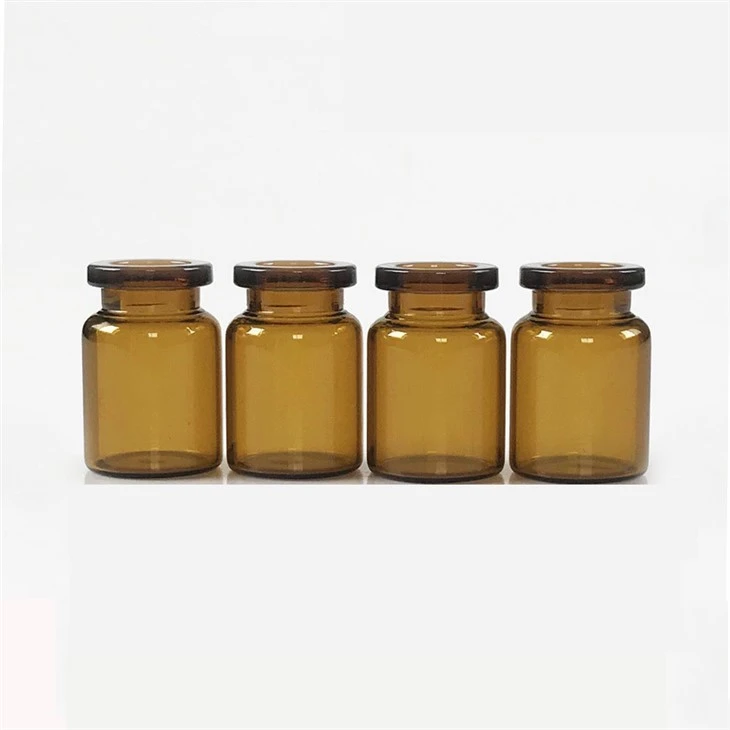
If you're using Amber Glass Bottle, which are popular for their ability to protect contents from light, ensure that the caps are tightened securely. You can use a torque wrench to make sure you're applying the right amount of force when tightening the caps. This helps maintain a proper seal and reduces the risk of leakage.
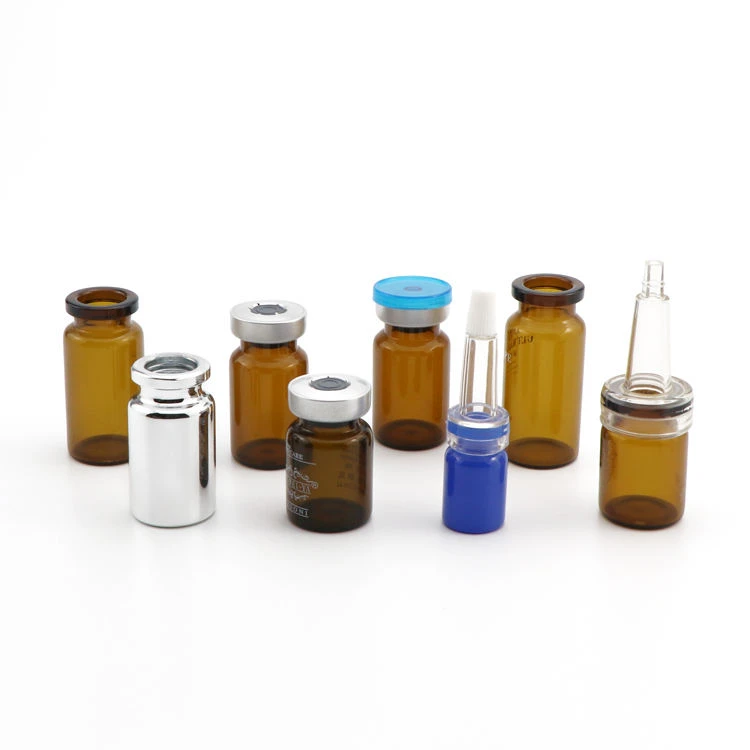
For smaller vials like 1 Ml Vials, which might be used for samples or small - quantity products, use rubber stoppers or screw - on caps. Make sure these are also tightly secured.
3. Label the Packages Clearly
Labeling is an often - overlooked but essential part of transporting glass bottles safely. Clearly mark the boxes as "Fragile" and "Handle with Care". This alerts the shipping carriers and handlers to the delicate nature of the contents.
You can also include information about the contents of the box, such as the type of product in the 60 ml glass bottles (e.g., perfume, medicine). This is important for safety reasons, especially if the product is hazardous or requires special handling.
If you're shipping internationally, make sure to include all the necessary customs labels and documentation. Incorrect or missing labels can lead to delays at customs, which might increase the risk of damage to your glass bottles.
4. Select a Reliable Shipping Carrier
Not all shipping carriers are created equal when it comes to handling fragile items. Do your research and choose a carrier with a good reputation for handling glass products. Look for carriers that offer tracking services, so you can keep an eye on your shipment every step of the way.
Some carriers also offer insurance options for fragile items. While it might cost a bit more, it's worth it for peace of mind. If something does go wrong during transit, you'll be compensated for the loss.
When you're comparing carriers, read reviews from other businesses that have shipped glass bottles. They can give you valuable insights into the carrier's performance and reliability.
5. Stack and Store the Boxes Correctly
How you stack and store the boxes during transportation also matters. Make sure the boxes are stacked in a stable way, with heavier boxes on the bottom and lighter ones on top. This prevents the boxes from toppling over and reduces the risk of damage to the glass bottles inside.
Avoid stacking the boxes too high, as this can make them unstable. Also, make sure the boxes are stored in a dry and cool environment. Extreme temperatures and humidity can weaken the cardboard boxes and damage the glass bottles.
6. Consider Specialized Packaging for High - Value Products
If you're shipping high - value 60 ml glass bottles, like those containing luxury perfumes or high - end pharmaceuticals, you might want to consider specialized packaging. For example, Flip Cap Amber Bottles used for premium products can benefit from custom - made wooden crates.
Wooden crates provide an extra layer of protection. They are more durable than cardboard boxes and can better withstand impacts. Inside the wooden crate, you can use additional cushioning materials like felt or velvet to protect the glass bottles.
7. Test Your Packaging
Before you start shipping large quantities of 60 ml glass bottles, it's a good idea to test your packaging. You can simulate the shipping process by dropping the packaged boxes from a reasonable height or subjecting them to vibrations. This helps you identify any weak points in your packaging and make necessary adjustments.
You can also send a few test shipments to see how the bottles fare during actual transportation. This real - world testing can give you valuable feedback on the effectiveness of your packaging.
In conclusion, transporting 60 ml glass bottles safely requires careful planning and attention to detail. By choosing the right packaging materials, properly sealing the bottles, labeling the packages clearly, selecting a reliable shipping carrier, stacking and storing the boxes correctly, considering specialized packaging for high - value products, and testing your packaging, you can significantly reduce the risk of damage during transit.
If you're interested in purchasing our 60 ml glass bottles or have any questions about transportation or packaging, feel free to reach out. We're here to help you ensure that your products reach your customers in perfect condition.
References
- Packaging World. "Best Practices for Packaging Fragile Glass Products."
- Shipping Digest. "Choosing the Right Shipping Carrier for Fragile Items."
- Glass Packaging Institute. "Guidelines for Safe Transport of Glass Containers."