

Are small glass bottles heat - resistant?
As a supplier of small glass bottles, this is a question I'm frequently asked by our clients. The answer isn't as straightforward as a simple yes or no. It largely depends on several factors, including the type of glass used, the manufacturing process, and the specific application of the bottle.
Types of Glass and Their Heat Resistance
There are different types of glass used in the production of small glass bottles, each with its own heat - resistant properties.
Soda - Lime Glass
Soda - lime glass is one of the most common types of glass used in the manufacturing of small glass bottles. It is relatively inexpensive and easy to produce. However, its heat - resistant capabilities are limited. Soda - lime glass typically has a softening point around 700 - 800°C. When exposed to rapid temperature changes or high - heat conditions, soda - lime glass is prone to cracking or shattering. For example, if you were to pour boiling water directly into a small soda - lime glass bottle, there's a high chance that the bottle will break due to thermal shock. This type of glass is commonly used for packaging non - heat - sensitive products such as cosmetics, perfumes, and some food items.
Borosilicate Glass
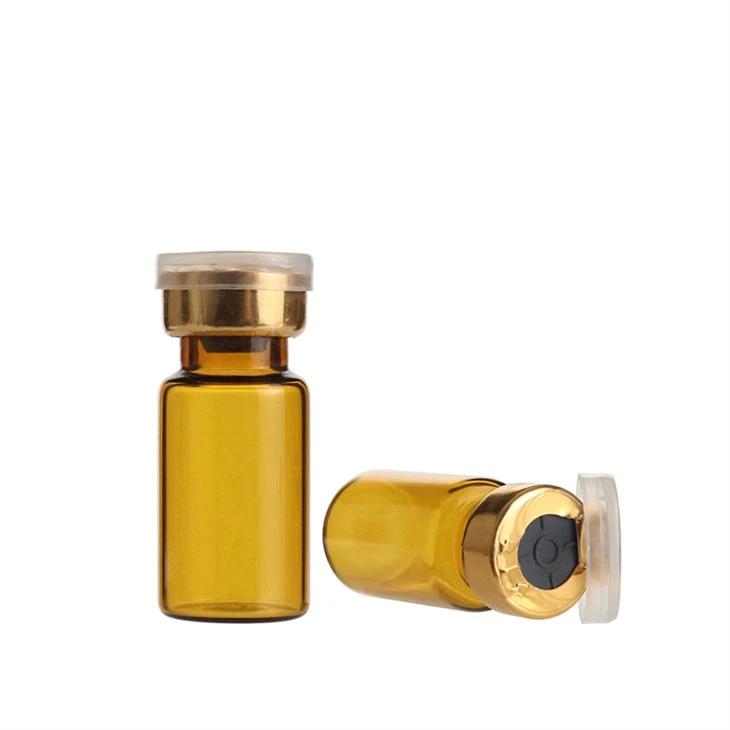
In contrast, borosilicate glass is well - known for its excellent heat resistance. It contains boron trioxide, which significantly improves its thermal properties. Borosilicate glass can withstand much higher temperatures and rapid temperature changes compared to soda - lime glass. It has a softening point of around 820°C and can tolerate temperature differences of up to 165°C without breaking. This makes it ideal for applications where heat resistance is crucial, such as laboratory glassware, some types of cookware, and Glass Medical Vials. Medical vials often need to be sterilized using high - temperature methods, and borosilicate glass can handle these processes without compromising its integrity.
Aluminosilicate Glass
Aluminosilicate glass is another type with good heat - resistant characteristics. It contains aluminum oxide, which enhances its mechanical and thermal properties. Aluminosilicate glass can withstand temperatures up to 900°C and has better chemical resistance compared to borosilicate glass. It is often used in high - performance applications, such as aerospace and electronics, but can also be found in some high - end small glass bottles for specialized products.
Manufacturing Process and Heat Resistance
The manufacturing process of small glass bottles also plays a vital role in determining their heat resistance.
Annealing
Annealing is a crucial step in the glass - making process. It involves slowly cooling the glass to relieve internal stresses. Proper annealing ensures that the glass is more uniform in structure and less likely to break under thermal stress. If the annealing process is not carried out correctly, the glass may have residual stresses, which can cause it to crack or break when exposed to heat. For example, a poorly annealed soda - lime glass bottle may break even at relatively low temperatures due to these internal stresses.
Wall Thickness
The wall thickness of the small glass bottle can affect its heat - resistant performance. Thicker - walled bottles generally have better heat - retaining properties but may also be more prone to thermal shock if heated or cooled too quickly. On the other hand, thinner - walled bottles can transfer heat more rapidly, but they may be more fragile. Manufacturers need to strike a balance between wall thickness and heat resistance based on the intended use of the bottle.
Applications and Heat Resistance Requirements
The heat - resistance requirements of small glass bottles vary depending on their applications.
Cosmetics and Perfumes
Most small glass bottles used for cosmetics and perfumes do not require high heat resistance. These products are typically stored at room temperature, and the glass bottles are mainly used for aesthetic and protective purposes. Soda - lime glass is sufficient for these applications, as long as it is not exposed to extreme heat. However, if there are special requirements, such as the need for sterilization during the filling process, a more heat - resistant glass like borosilicate may be considered.
Food and Beverages
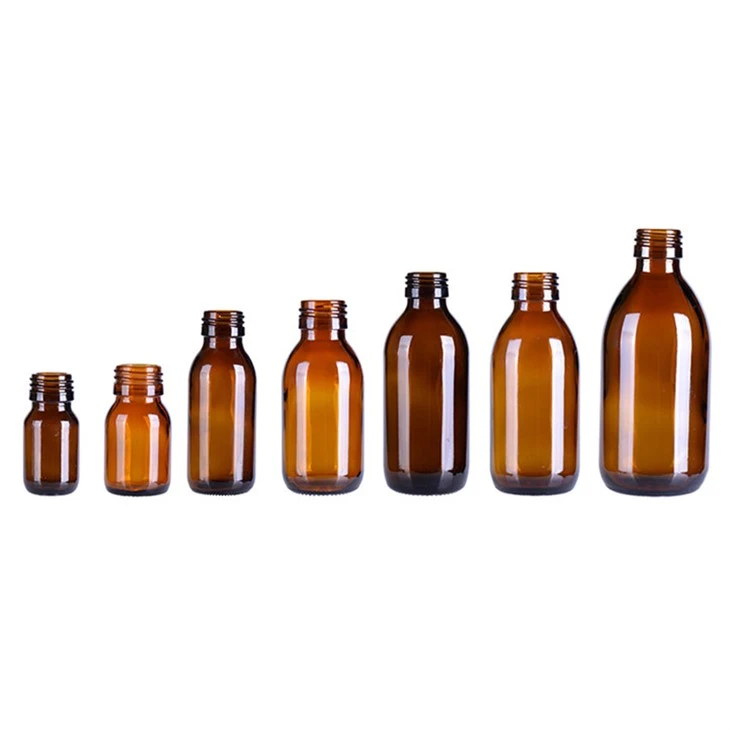
For small glass bottles used in the food and beverage industry, heat resistance can be a critical factor. Bottles used for canning or pasteurization need to withstand the high temperatures involved in these processes. Borosilicate glass or well - annealed soda - lime glass is often used for these applications. For example, 20ml Amber Glass Bottle Medicine may be used to store liquid food products that require heat treatment to ensure their safety and shelf - life.
Medical and Pharmaceutical
In the medical and pharmaceutical fields, small glass bottles need to meet strict heat - resistance standards. They are often subjected to sterilization processes such as autoclaving, which involves high - pressure steam at temperatures around 121 - 134°C. Borosilicate glass is the preferred choice for Amber Medicine Glass Bottle and other medical vials because of its ability to withstand these high - temperature sterilization methods without losing its integrity or affecting the quality of the contents.
Testing Heat Resistance
To ensure the heat resistance of our small glass bottles, we conduct a series of tests.
Thermal Shock Testing
Thermal shock testing involves subjecting the glass bottles to rapid temperature changes. We heat the bottles to a certain temperature and then quickly cool them to simulate real - world scenarios. If the bottles can withstand these temperature changes without cracking or breaking, they pass the test. This test helps us determine the maximum temperature difference the bottles can handle.
High - Temperature Testing
In high - temperature testing, we expose the glass bottles to elevated temperatures for a specific period. We monitor the bottles for any signs of deformation, softening, or cracking. This test helps us understand the long - term heat - resistance capabilities of the bottles and ensure that they can maintain their integrity under continuous high - temperature conditions.
Conclusion
In conclusion, whether small glass bottles are heat - resistant depends on multiple factors, including the type of glass, the manufacturing process, and the application. As a supplier, we offer a wide range of small glass bottles made from different types of glass to meet the diverse heat - resistance requirements of our clients. If you are in need of small glass bottles for your products, it's essential to consider the heat - resistance factor based on your specific application.
If you have any questions about our small glass bottles or would like to discuss your specific requirements, please feel free to contact us for procurement and negotiation. We are committed to providing high - quality products and excellent service to our customers.
References
- Vogel, W. (1994). Glass Chemistry. Springer - Verlag.
- Scholes, C. A. (2001). The Properties of Glass. Royal Society of Chemistry.
- Brückner, H. (2006). Glass: Science and Technology. Elsevier.