

Hey there! As a supplier of 15ml glass bottles, I've seen firsthand how crucial it is to seal these little guys properly. Whether you're dealing with essential oils, medications, or some other precious liquid, a good seal can make all the difference. So, let's dive into how you can seal a 15ml glass bottle like a pro.
Why Proper Sealing Matters
First off, why should you even bother with sealing your 15ml glass bottle correctly? Well, there are a few key reasons. For starters, it helps to preserve the contents. If you're storing essential oils, for example, they can easily evaporate or oxidize if the bottle isn't sealed tightly. This can change the scent and effectiveness of the oil.
Secondly, a proper seal prevents leaks. Nobody wants to open their bag or storage container and find a sticky mess because the bottle leaked. This is especially important if you're transporting the bottles or if they're stored in a place where spills could cause damage.
Finally, from a safety perspective, a good seal can keep harmful substances from getting out and contaminants from getting in. If you're using the bottles for medications, this is absolutely essential.
Types of Seals for 15ml Glass Bottles
There are several types of seals you can use for your 15ml glass bottles. Each has its own pros and cons, so it's important to choose the one that's right for your needs.
Screw Caps
Screw caps are one of the most common types of seals for glass bottles. They're easy to use and provide a relatively tight seal. You can find screw caps in a variety of materials, including plastic and metal. Plastic caps are lightweight and inexpensive, while metal caps are more durable and can give your bottles a more high - end look.
When using screw caps, make sure to tighten them firmly. You can use a cap tightening tool to ensure a consistent and secure seal. However, be careful not to over - tighten, as this can crack the bottle or damage the cap.

Dropper Caps
Dropper caps are great if you're using the bottle for liquids that need to be dispensed in small amounts, like essential oils or tinctures. They usually have a rubber bulb on top that you squeeze to draw the liquid up into the dropper and then release to dispense it.
To seal a bottle with a dropper cap, make sure the dropper is properly seated in the bottle opening. The rubber bulb should form a tight seal around the dropper to prevent air and liquid from escaping. Some dropper caps also have a screw - on outer cap for an extra layer of protection.
Corks
Corks are a more traditional option for sealing glass bottles. They give a rustic and natural look, which can be appealing for certain products, like artisanal oils or homemade remedies.
When using corks, it's important to choose the right size. A cork that's too small won't form a proper seal, while one that's too large can be difficult to insert and may damage the bottle. You can use a corker tool to insert the corks smoothly and ensure a tight fit.
Steps to Properly Seal a 15ml Glass Bottle
Now that you know about the different types of seals, let's go through the steps to seal your 15ml glass bottle properly.
Step 1: Clean the Bottle and Seal
Before you start sealing, make sure both the bottle and the seal are clean. Any dirt, debris, or residue can prevent a proper seal from forming. You can wash the bottle and seal with warm, soapy water, then rinse them thoroughly and let them dry completely.
Step 2: Fill the Bottle
Fill the bottle with your liquid, leaving some headspace at the top. The amount of headspace you need depends on the type of liquid and the seal you're using. For most applications, leaving about 1/4 to 1/2 inch of space at the top is a good idea.
Step 3: Insert the Seal
If you're using a screw cap, simply place it on top of the bottle and start turning it clockwise. As you turn, you should feel the cap tightening. Keep turning until it's snug, but don't force it.
For a dropper cap, insert the dropper into the bottle opening first, then attach the rubber bulb. Make sure the bulb is firmly attached and forms a good seal.
If you're using a cork, place the cork on top of the bottle opening and use a corker tool to gently push it in. Start by applying a little pressure, then gradually increase it until the cork is fully inserted.
Step 4: Check the Seal
Once you've inserted the seal, check to make sure it's tight. You can do this by gently squeezing the bottle or turning it upside down. If you see any signs of leakage, you may need to adjust the seal or try again.
Tips for a Better Seal
Here are some additional tips to help you get the best possible seal for your 15ml glass bottles:
- Use a liner: Some caps come with a liner, which can help to create a better seal. Liners are usually made of materials like foam, plastic, or rubber. Make sure the liner is in good condition and properly seated in the cap.
- Store the bottles correctly: After sealing the bottles, store them in a cool, dry place. Extreme temperatures and humidity can affect the seal over time.
- Test the seal: Before you start using a large batch of sealed bottles, it's a good idea to test a few of them. You can do this by leaving them for a few days and checking for any signs of leakage.
Our 15ml Glass Bottles
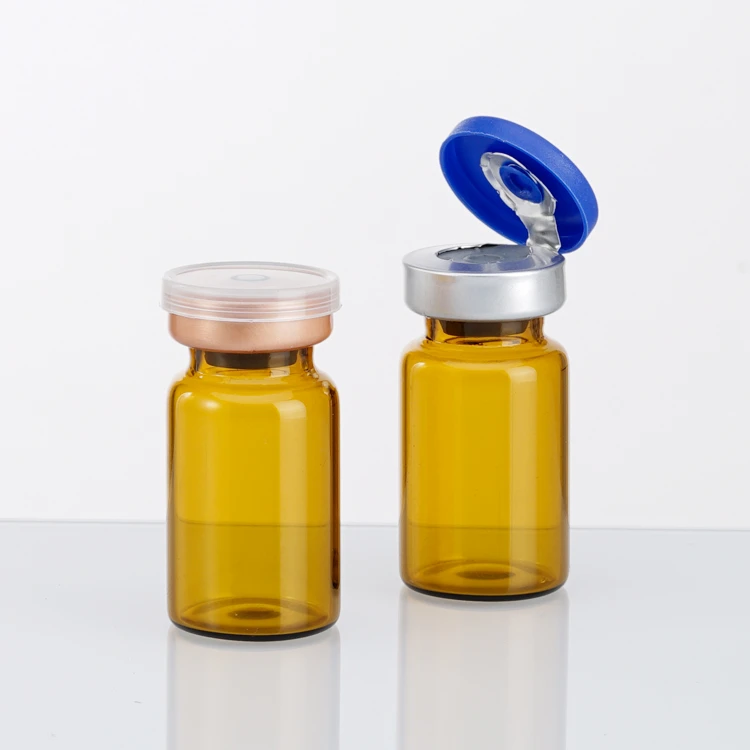
As a supplier of 15ml glass bottles, we offer a wide range of options to meet your needs. You can check out our Amber Medicine Glass Bottle, which is great for storing medications and other light - sensitive liquids. Our Small Glass Bottle is a versatile option that can be used for a variety of products. And if you're looking for something specifically for medical applications, our Glass Medical Vials are top - notch.
If you're interested in purchasing our 15ml glass bottles, we'd love to have a chat with you about your requirements. Whether you need a small quantity for a personal project or a large order for your business, we can help. Contact us to start the procurement discussion, and we'll work with you to find the best solution for your needs.
References
- Packaging Machinery Manufacturers Institute. “Best Practices for Sealing Glass Containers.”
- International Bottled Water Association. “Guidelines for Sealing Bottles.”